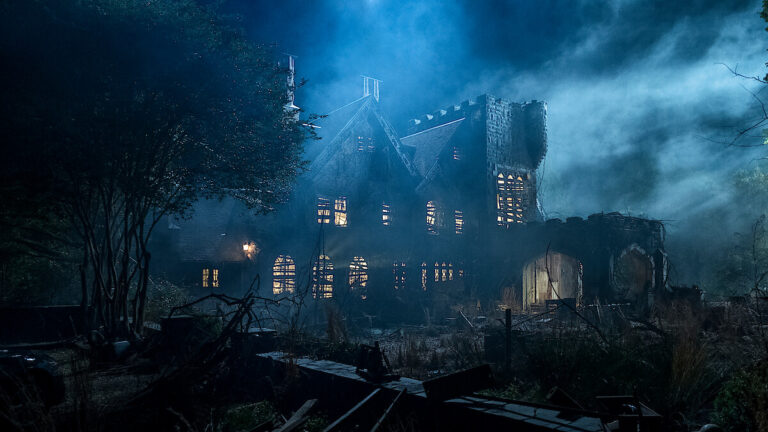
"All this he saw, for one moment breathless and intense, vivid on the morning sky; and still, as he looked, he lived; and still, as he lived, he wondered."

Spawn #105

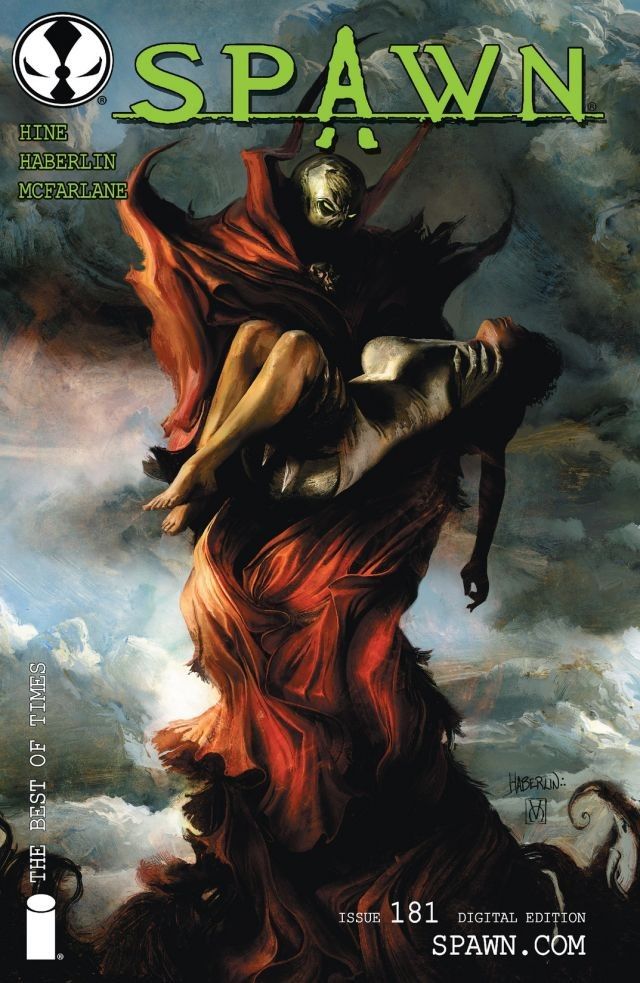
spawn 181La collana langue in un costante limbo prossimo al fallimento (o all’essere resa quadrimestrale), quindi parliamone, anche perché da qualche numero a questa parte la tanto attesa ripresa c’è stata e si è vista la sapiente mano di David Hine, già apprezzato con i mutanti.

Guerraspawn (War Spawn, da Spawn #179 del giugno 2008). Uccidete quello che ha tradotto il titolo. E, fatemi la cortesia, uccidetelo male. Provocategli un dolore fisico tale da far rimettere in moto i neuroni e collegare che “spawn” vuol dire “progenie”, quindi un bel “figlio della guerra” ci poteva anche stare. Visto e considerato che “war spawn” è anche il modo dispregiativo con cui vengono indicati appunto i figli della guerra, i figli illegittimi di soldati e fanciulle locali più o meno consenzienti. Ma sorvoliamo.
Questa storia continua a scavare tra gli antenati dell’attuale spawn perché, ormai lo sappiamo, nella famiglia di Al Simmons persino il cane della nonna aveva fatto un patto col diavolo.
Nella fattispecie, tocca al nonno di Wanda (la moglie di Al) che per salvare il figlio mai riconosciuto ha ceduto a Mammon sui campi della Somme e da allora si allena per il giudizio finale, restando aggrappato al fatto di essere finalmente riuscito a salvare suo figlio.
E’ una bella storia, anche se ormai lo schema si sta ripetendo un po’ troppo: la storia di un precedente Hellspawn viene raccontata, si pensa che sia slegata dalla vicenda principale e alla fine un colpo di scena ci rivela che lo spawn è imparentato con Al. Ormai non sorprende più. E tuttavia regge ancora. Per ora.

Il momento più bello (The Best of Times, da Spawn #181 dell’agosto 2008). Nello scorso numero, avevamo lasciato Al in preda al veleno di un potentissimo – e altrettanto sventurato – vampiro. In questo numero, sta combattendo il male dentro di lui con un classico confronto con se stesso, e questo confronto lo porta alla soglia di Wanda, dove trova un’agguerrita bambina ad attenderlo. Nuovi personaggi, nuovi poteri, nuovi colpi di scena con Al che si libera del costume di Spawn, e chissà come andrà a finire.

Spooktober

Spooktober 25 – The Phantom Farm House (2)

Continues from yesterday… ATORRENT of rain held us marooned the next day. Miss Leahy was confined to her room, with a nurse in constant attendance and the house doctor making hourly calls. She was on the verge of a nervous collapse, he told me, crying

Read More »
books and literature

Alix Harrow’s The Once and Future Witches

I wouldn’t have started this book on my own, and for many reasons. One of them is that in Italy it’s marketed as Young Adult Fiction, and I hate most of that stuff, and the other is its imposing length: 600 pages. I was distracted,

Read More »
Spooktober

Spooktober 24 – The Phantom Farm House (1)

“The Phantom Farmhouse” is a short story written by Seabury Quinn, first published in the October 1923 issue of Weird Tales. It is one of Quinn’s most famous standalone works outside of his popular Jules de Grandin detective series. I had been at the new

Read More »
Share on LinkedIn
Throw on Reddit
Roll on Tumblr
Mail it
No Comments

Post A Comment

This site uses Akismet to reduce spam. Learn how your comment data is processed.

RELATED POSTS

Spooktober 25 – The Phantom Farm House (2)

Continues from yesterday… ATORRENT of rain held us marooned the next day. Miss Leahy was confined to her room, with a nurse in constant attendance and the house doctor making hourly calls. She was on the verge of a nervous collapse, he told me, crying

Read More

Alix Harrow’s The Once and Future Witches

I wouldn’t have started this book on my own, and for many reasons. One of them is that in Italy it’s marketed as Young Adult Fiction, and I hate most of that stuff, and the other is its imposing length: 600 pages. I was distracted,

Read More

Spooktober 24 – The Phantom Farm House (1)

“The Phantom Farmhouse” is a short story written by Seabury Quinn, first published in the October 1923 issue of Weird Tales. It is one of Quinn’s most famous standalone works outside of his popular Jules de Grandin detective series. I had been at the new

Read More