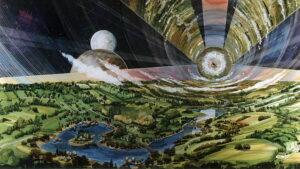
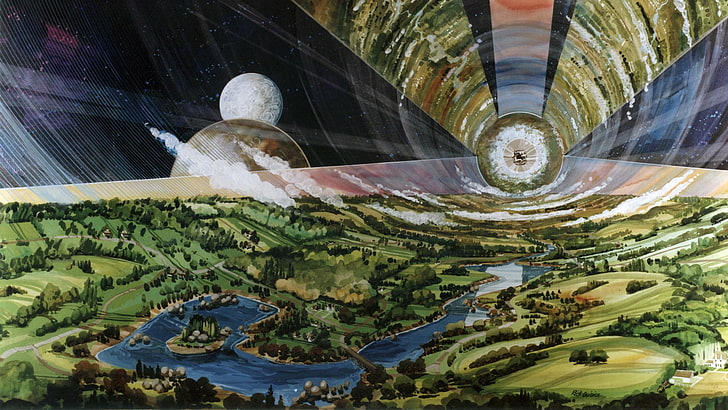
"All this he saw, for one moment breathless and intense, vivid on the morning sky; and still, as he looked, he lived; and still, as he lived, he wondered."

Pride Month 2025: Story of the Day

The Queer Alchemy of Benvenuto Cellini: Desire, Scandal, and Self-Fashioning in Renaissance Florence

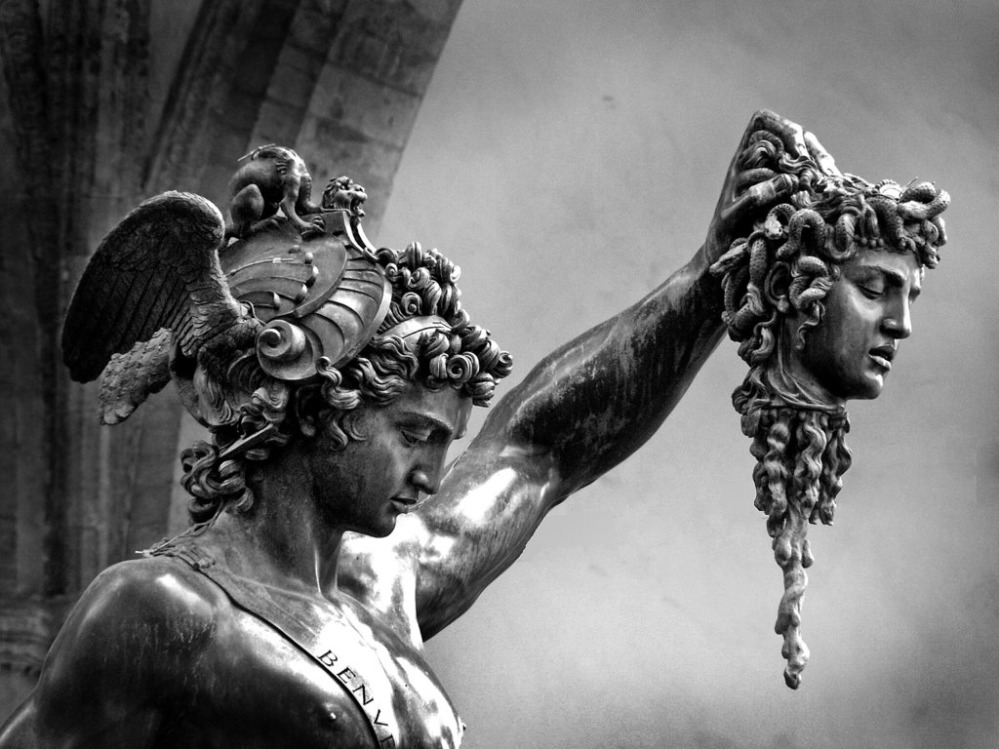
Benvenuto Cellini — sculptor, goldsmith, author, swordsman, and scandal — lived at the heart of Renaissance Florence with the fire of a man determined to be seen, remembered, and unruly. Best known for works like the Perseus with the Head of Medusa in Florence’s Piazza della Signoria, Cellini left behind something even more provocative than bronze: a flamboyant, defensive, and vividly queer autobiography, perhaps unmatched in Renaissance literature.

In his Vita, written in prison and laced with bragging, brawls, and boldness, Cellini details sexual encounters, artistic triumphs, and accusations of sodomy, a word he resented for its social sting as he was repeatedly charged with it. The records are clear: Cellini was arrested several times for relationships with young male apprentices and models. He denied nothing, except the idea that he should be ashamed.

For Cellini, desire was part of his genius. His male lovers appear in the text as objects of affection, jealousy, and eroticism. But unlike Michelangelo’s veiled sonnets or Leonardo’s evasive silence, Cellini wrote directly, arrogantly, defiantly. He presented his queerness as part of the same alchemical force that allowed him to turn raw metal into mythic form. Scandal followed him, and he sculpted his identity in its shadow. In a society where homoerotic relationships were criminalised yet widely practised (especially in Florence, where it was practically a civic stereotype), Cellini didn’t attempt to “correct” his behaviour. He mythologised it. He cast himself not only in bronze, but in story — a man in love with men, in love with danger, in love with himself.
architecture, engineering and construction

Who EIRs the EIR?

There’s a game I’d like to play (queue The Cranberries): take two EIRs from the last month, any project really, and delete project name and phase. Then place them in front of somebody else and ask them to guess. Which kind of project? Is it

Read More »
books and literature

Isaac Asimov’s Ring Around the Sun

This is, without any doubt, one of the best collections in the series, and notably one with aliens of many sorts: Martians and Venusians with a different approach to warfare and radically original new senses, and Ganimedians who just want what’s due for Christmas. What

Read More »
books and literature

The Village Teacher

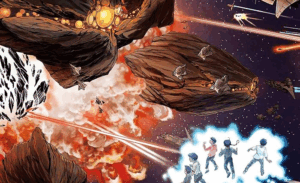
As I was saying a few days ago, some of Cixin Liu’s short stories have been adapted into wonderful graphic novels. This one is a heartfelt story that touches many topics that are dear to the author’s heart, mainly the importance of knowledge and the

Read More »
Share on LinkedIn
Throw on Reddit
Roll on Tumblr
Mail it
No Comments

Post A Comment

This site uses Akismet to reduce spam. Learn how your comment data is processed.

RELATED POSTS

Who EIRs the EIR?

There’s a game I’d like to play (queue The Cranberries): take two EIRs from the last month, any project really, and delete project name and phase. Then place them in front of somebody else and ask them to guess. Which kind of project? Is it

Read More

Isaac Asimov’s Ring Around the Sun

This is, without any doubt, one of the best collections in the series, and notably one with aliens of many sorts: Martians and Venusians with a different approach to warfare and radically original new senses, and Ganimedians who just want what’s due for Christmas. What

Read More

The Village Teacher

As I was saying a few days ago, some of Cixin Liu’s short stories have been adapted into wonderful graphic novels. This one is a heartfelt story that touches many topics that are dear to the author’s heart, mainly the importance of knowledge and the

Read More