
Come i miei studenti sanno bene, sono una grande appassionata del lavoro di Jose Sanchez, fondatore dello studio Plethora-project. Architetto, ma anche programmatore e scrittore, Sanchez è tra le menti dietro a Block’hood, un city builder basato sui concetti di ecologia, interdipendenza e degrado, cui ogni architetto urbanista dovrebbe giocare. Sto attendendo con ansia Common’hood, il nuovo progetto dello studio, la cui uscita è prevista in ottobre.
In questo primo lunedì di agosto, il libro che vi consiglio è un suo progetto, nato da una campagna kickstarter nel 2014 e che ha visto finalmente la luce nel maggio dell’anno scorso.
Plethora Project,
The Blindspot Initiative: Design Resistance and Alternative Modes of Practice
ed. Actar

Blindspot è il termine per indicare il punto cieco, sia in senso letterale che in senso metaforico. Come ci si aspetta dall’autore, il libro ospita quindi storie di progettazione sostenibile e resilienza urbana, inseguendo la ricerca di modelli di business alternativi per il modo in cui le nostre città prendono forma e si mantengono.
The Blindspot Initiative is a research project that seeks to identify alternative modes of practice for architecture and design. While the field of design has gotten used to doing open call for competitions, expecting free labor from hundreds of participants, we can identify a series of design practices that challenge such expectations by proposing design workflows and frameworks that operate with alternative business models. The exploration of work often meanders through disciplinary boundaries, expanding the sovereignty of the field by borrowing techniques and attitudes that operate in the blindspot of architecture.
Il volume è un’opera corale e ospita lavori di numerosi tra i più interessanti professionisti del nostro tempo, tra cui:
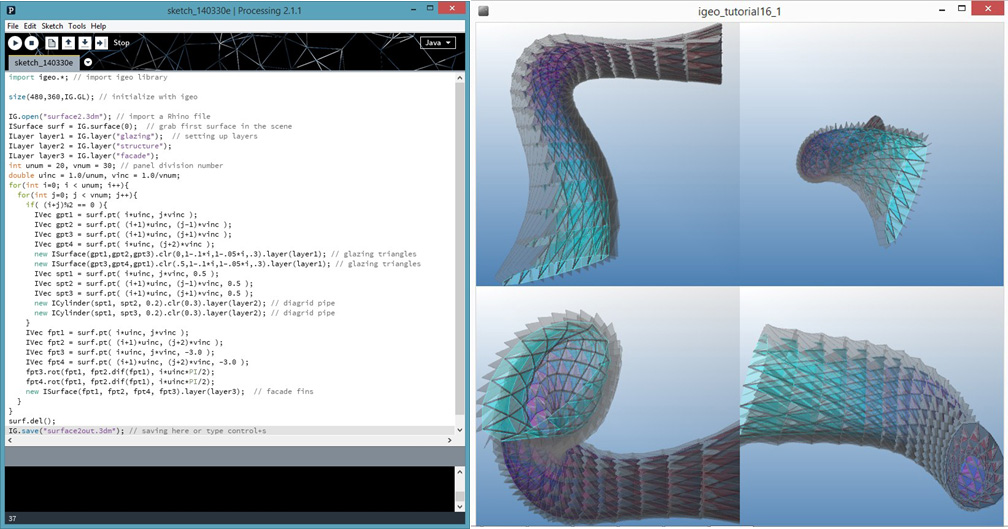
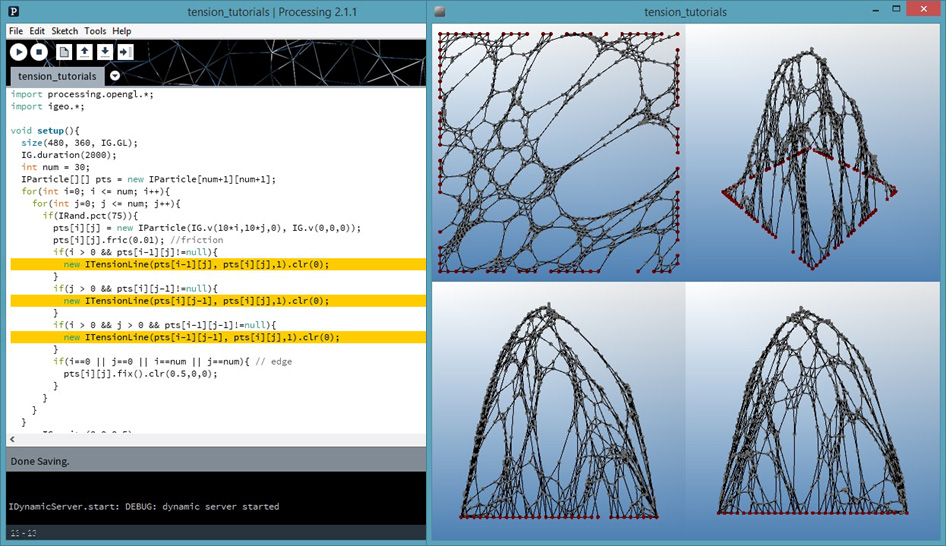
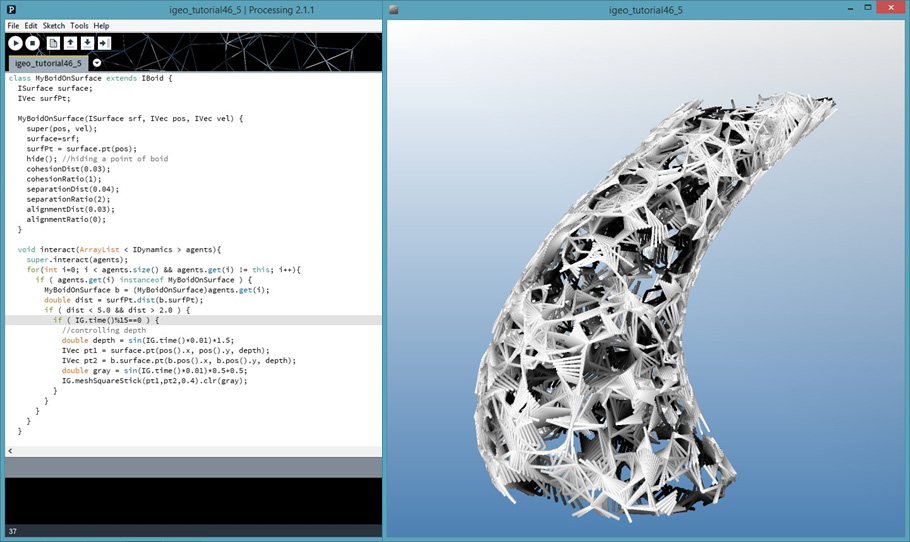
- Satoru Sugihara, computational designer e fondatrice dello studio ATLV (Architectural Technology Laboratorial Venture), che dal 2012 esplora “le frontiere delle tecnologie di computational design attraverso la progettazione e la ricerca nell’architettura contemporanea e nella progettazione degli spazi”. Tra i suoi lavori più interessanti, iGeo: Computational Design Library for Processing, ovvero una libreria open source di modellazione tridimensionale in Java.

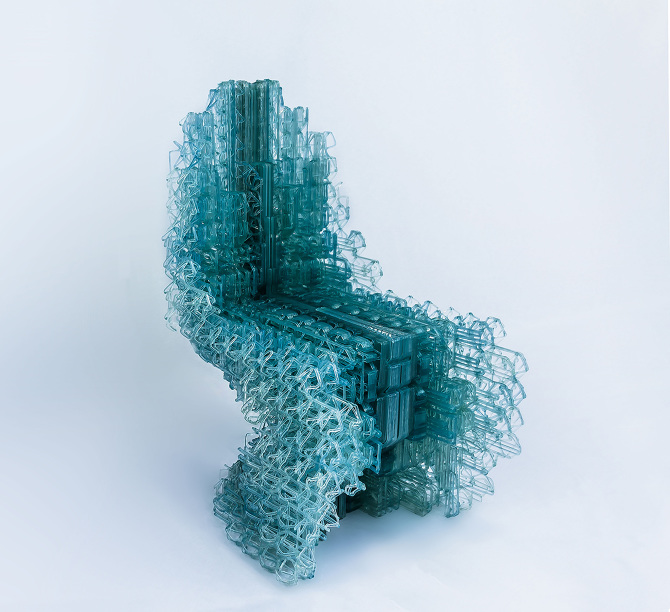
- Gilles Retsin, Programme Director alla Bartlett School of Architecture e co-fondatore del relativo Design Computation Lab che potreste ricordare per la Voxel Chair del 2017. Tra le altre cose, è anche fondatore di AUAR – Automated Architecture, società di consulenza con cui ha sviluppato PPE Hive in risposta alla pandemia.
PPE Hive is a logistics platform coordinating the supply and demand of Personal Protective Equipment (PPE) in the UK.
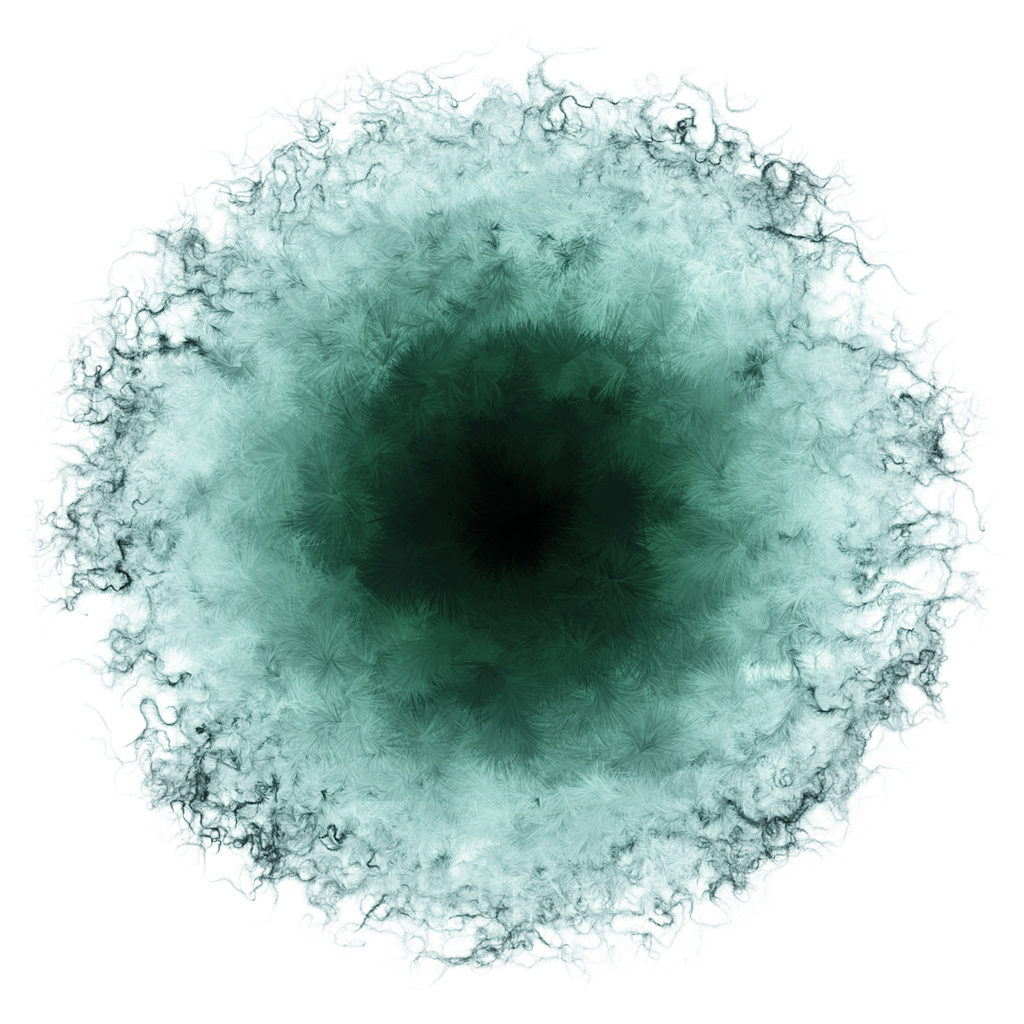
- Michael Kontopoulos, artista e designer “user-centered” che nel suo portfolio vanta progetti di coding creativo, design fiction e mechanical design. Tra i miei progetti preferiti, l’esperimento visivo Planetoids con cui ha riconfigurato immagini ad alta definizione del sole per analizzare gli algoritmi alla base della creazione di texture per una stella.
All the planetoids are minor, parameterized variations on the same algorithm. They have been arranged in 9×9 grid and test printed on professional inkjet printer at 44″x44″.
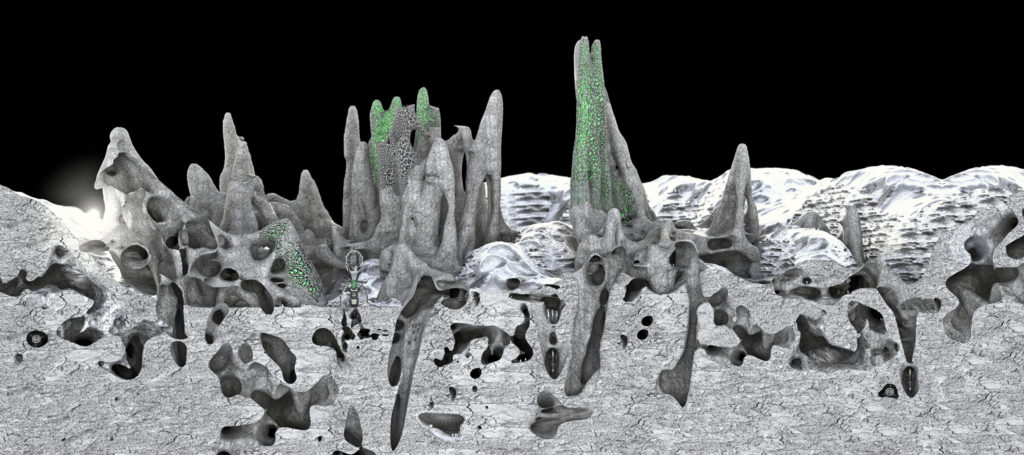
- Luis Quinones, fondatore di complicitMatter e designer con la passione per il motociclismo, che negli anni ha prodotto progetti come 2020:LunarOutpost ma anche iniziative open source tra cui librerie in Java di oggetti e comportamenti per la creazione di interazioni dinamiche e multi-agente (CULEBRA-JAVA). Le sue esplorazioni geometriche comprendono lavori in Python, C#, Unity, Maya, ZBrush e Rhino.
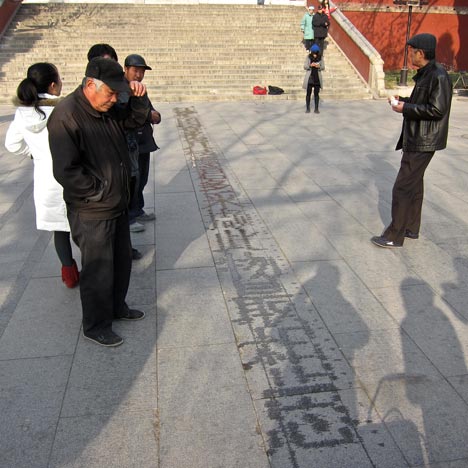
- Nicholas Hanna, artista e inventore canadese residente a Los Angeles, autore principalmente di macchinari per installazioni e performance. Celebri i suoi Water Calligraphy Device, un trabiccolo a pedali per tramite il quale è possibile digitare su una tastiera i caratteri di calligrafia cinese che il macchinario traccerà poi in acqua sull’asfalto. Dal progetto nasce l’iniziativa Tike Writer.
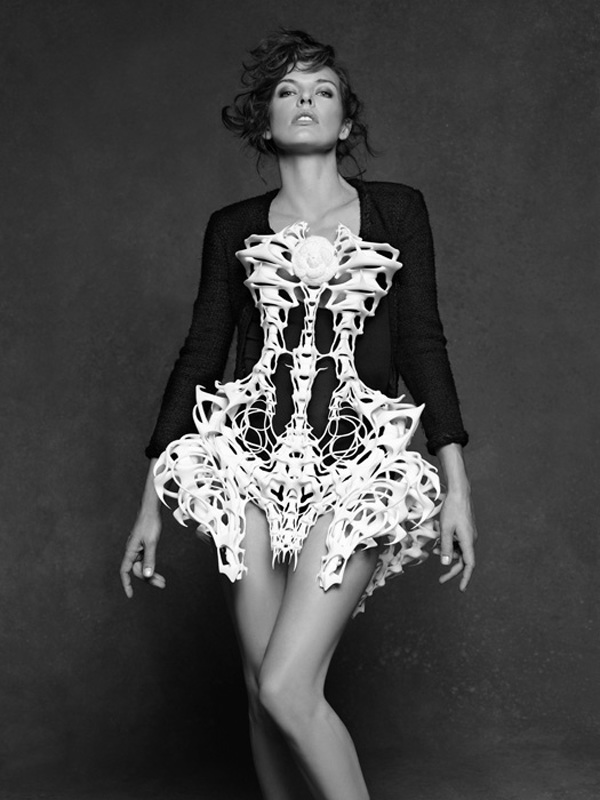
- Isaie Bloch, co-fondatore di Eragatory e designer di prodotti per la tavola come di gioielli, abiti ed edifici. Tra le altre cose, ha lavorato a Iris van Herpen per il Little Black Dress Book di Chanel con Milla Jovovich.
- Niccolo Casas, anch’egli architetto, grafico, designer di moda, sempre con Iris van Herpen ha progettato il Magma Dress e alcuni abiti per la collezione Lucid del 2016.

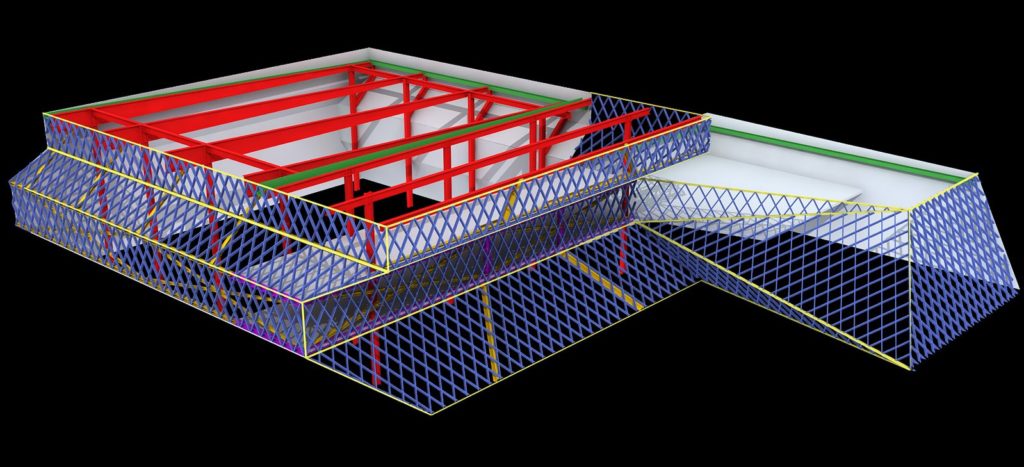
- Will Hosikian, design principal a Melbourne per niente di meno che Woods Bagot, il cui blog purtroppo langue da anni, ma sul quale aveva l’abitudine di condividere le sue esplorazioni nella modellazione analitica di opere di architettura complessa.
- Universal Assembly Unit, autori di installazioni tra cui la LCO Curtain Call, la Light Pollination per iGuzzini (London Design Festival 2016) e Datum Explorer, un progetto multipiattaforma di esplorazione in mixed reality presentato sia al Datum Festival del 2014 che al Sonar Festival del 2015.

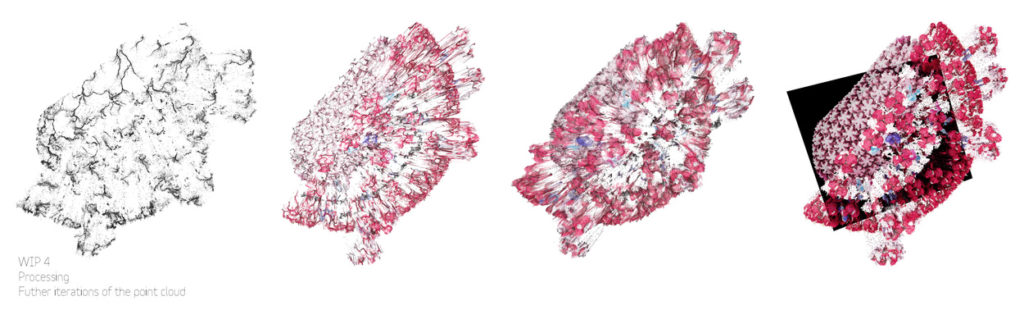
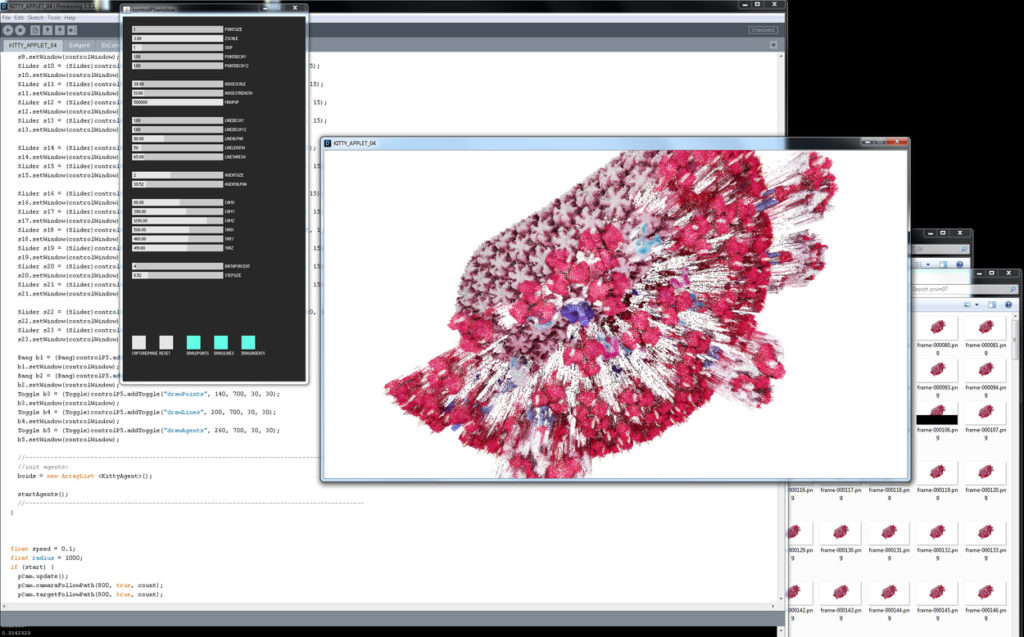
- Catherine Griffits, fondatrice del progetto di ricerca artistica Isohale con cui ha sviluppato algoritmi di visualizzazione di diverso tipo, sia per la visualizzazione dei processi decisionali nei processi di addestramento dei modelli di machine learning, che per la visualizzazione in ambito biologico e biochimico.
Isohale:
An arts research practice by Catherine Griffiths
for critical computational enquiry and future aesthetics in the age of algorithmic ethics.
- Keiichi Matsuda, designer e regista. Di lui, vi invito in particolare a leggere l’articolo Cities for cyborgs in cui teorizza le dieci regole per la progettazione di città a misura di cyborg: deprogrammare gli spazi e lasciare che sia l’abitante a definirne la funzione, anziché imporre funzioni rigide; non essere noiosi ed evitare l’architettura generalista; progettare spazi e non partizioni (design with fields, not walls); più prese di corrente, bagni pubblici e armadietti a gettoni; casa e lavoro non sono condizioni architettoniche; pubblico e privato non sono condizioni architettoniche; gestire correttamente input (es: alcool, nicotina, caffeina, cocaina, codeina, antibiotici) e output (alcuni dei quali facilmente immaginabili, considerati gli ingredienti proposti come input); creare spazi pubblici; creare eventi; comprendere la mediazione, intesa come la progressiva assenza di membrana divisoria tra spazio fisico e spazio virtuale (un concetto di cui mi è già capitato di parlare in relazione a Toyo Ito e al suo Tarzans in the Media Forest).
Tra i suoi progetti visivi più noti, l’Always on the Telephone Club per Nokia.
The Always-On Telephone Club from Arcade on Vimeo.
- 3HUND, pseudonimo dietro cui si nascondono due artisti tedeschi, Tarek Mawad e Friedrich van Schoor. I loro lavori di animazione tridimensionale non sono decisamente il mio genere, ma vi consiglio il loro progetto Bioluminescent Forest, in cui la bellezza naturale di una foresta osservata in silenzio viene sottolineata applicando effetti di bioluminescenza.
“What they have created is an alternate, magical world that celebrates the beauty of nature and its phenomena, and the results are nothing short of breathtaking.”
– The San Francisco Globe
Projections in the Forest from 3hund on Vimeo.
- Andrew Payne e Panagiotis Michalatos, rispettivamente architetto (oggi lavora insieme a Nathan Miller in Proving Ground) e . Nel 2015, hanno realizzato Monolith, uno strumento di modellazione e simulazione voxel-based per la stampa 3d multi-materiale acquistato da Autodesk nello stesso anno. Oggi del tool sopravvive una guida on-line, il plug-in per Grasshopper e un canale di Vimeo con qualche tutorial.
Grasshopper to Monolith from Monolith on Vimeo.
Non proprio un libro da ombrellone, ma anche oggi ci rifacciamo gli occhi e anche per questa volta siamo a posto. Ogni lunedì un libro per iniziare la settimana.




No Comments