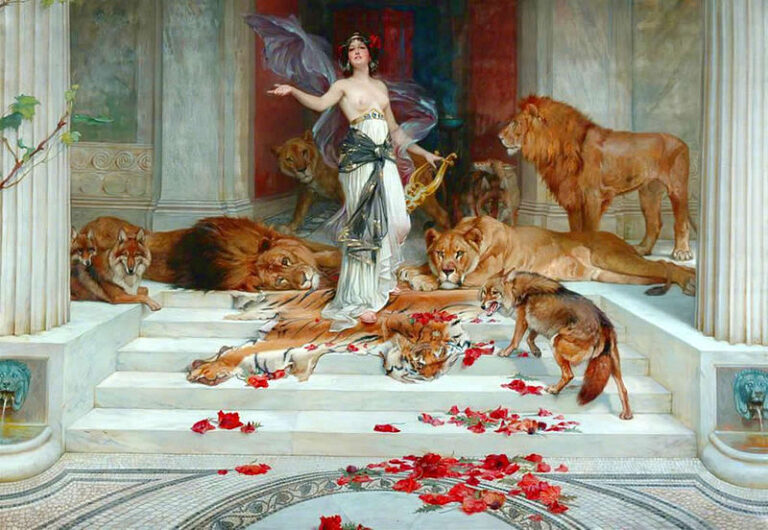
"All this he saw, for one moment breathless and intense, vivid on the morning sky; and still, as he looked, he lived; and still, as he lived, he wondered."

Nicola Nosengo – L’estinzione dei Tecnosauri: Storie di Tecnologie che non ce l’hanno fatta

È uno dei miei libri preferiti sulla storia della tecnologia ed è un libro italiano: non potevo arrivare alla fine dell’anno senza avervelo consigliato (siamo già a Novembre… fatico a crederlo).

Nicola Nosengo,
L’estinzione dei tecnosauri: Storie di tecnologie che non ce l’hanno fatta
ed. Sironi

«Esiste una selezione darwiniana che colpisce i manufatti tecnologici? Eccome, ma non opera esattamente come in campo biologico… Ne parla Nicola Nosengo, che passa in rassegna sia le tecnologie scomparse che quelle che non ce l’hanno mai fatta»
– Repubblica

Il libro affronta diversi set di tecnologie che si sono confrontati sugli stessi campi di battaglia, analizzando sconfitti e vincitori senza preconcetti, senza molti dei ragionamenti che di solito vengono presi per buoni. Posta pneumatica, macchine volanti, rullino fotografico, Betamax e VHS, auto elettrica, disco in vinile e fonografo, fax.

La parola “tecnologia” porta con sé molte sfumature di significato, ma comunque la si definisca è difficile separarla dalla parola “successo”. Più di ogni altra cosa, concepiamo la tecnologia come rinnovamento, progresso, avanzamento e trionfo. Naturalmente, a oltre due secoli dall’inizio della Rivoluzione industriale, siamo ormai abbastanza smaliziati da sapere che a volte una macchina può non funzionare – anzi, che quanto più è complessa tanto più è soggetta a inconvenienti – ma consideriamo questa eventualità al più come un rischio compreso nel prezzo, non come un fallimento: la singola macchina può rompersi, ma il processo innovativo va avanti, impara dagli errori e si rafforza.

Ogni sezione affronta diverse innovazioni e trae una “morale” per ragionare sul loro successo o sul loro fallimento: dall’importanza della tassonomia a quella degli standard, dal ritorno d’investimento al peso del digitale, dall’importanza di agire nel momento giusto a quella di misurare lo sforzo. Un libro fondamentale, per noi che ci occupiamo di innovazione, perché spesso crediamo di sapere come si riconosca un tecnosauro e non ci rendiamo conto di quanto si corra anche noi, ogni giorno, il rischio di diventarne uno.

books and literature

Lolly Willowes

Sylvia Townsend Warner is one of the most interesting literary figures of the 21st century, and Lolly Willowes is one of her finest works, even more stunning if you think it was her debut novel. Self-supporting, intellectually independent, and consistently sceptical of social and religious

Read More »
books and literature

Fugitive Telemetry

This is book #6 in the Murderbot series (yes, I accidentally skipped #5, I’m circling back to that), and I’m afraid I didn’t like this as much as the others. The whole investigation felt a bit rushed and, though the final twist is interesting in

Read More »
architecture, engineering and construction

The Discipline of Inspiration: Valéry and the Algorithmic Mind

Paul Valéry rejected inspiration as miracle, seeing creativity as the discipline of thought in motion. This week, we parallel his notion of mental “operations” with computational procedures in design: iteration, optimisation, constraint, and recombination, and challenge the dichotomy between intuition and automation. Drawing on contemporary

Read More »
Share on LinkedIn
Throw on Reddit
Roll on Tumblr
Mail it
No Comments

Post A Comment

This site uses Akismet to reduce spam. Learn how your comment data is processed.

RELATED POSTS

Lolly Willowes

Sylvia Townsend Warner is one of the most interesting literary figures of the 21st century, and Lolly Willowes is one of her finest works, even more stunning if you think it was her debut novel. Self-supporting, intellectually independent, and consistently sceptical of social and religious

Read More

Fugitive Telemetry

This is book #6 in the Murderbot series (yes, I accidentally skipped #5, I’m circling back to that), and I’m afraid I didn’t like this as much as the others. The whole investigation felt a bit rushed and, though the final twist is interesting in

Read More

The Discipline of Inspiration: Valéry and the Algorithmic Mind

Paul Valéry rejected inspiration as miracle, seeing creativity as the discipline of thought in motion. This week, we parallel his notion of mental “operations” with computational procedures in design: iteration, optimisation, constraint, and recombination, and challenge the dichotomy between intuition and automation. Drawing on contemporary

Read More