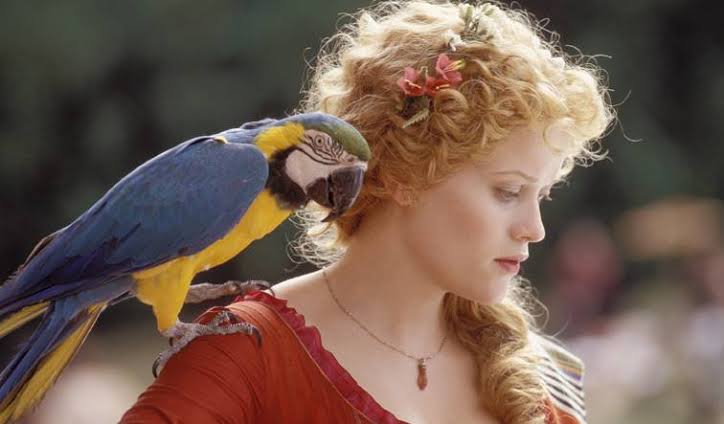
"All this he saw, for one moment breathless and intense, vivid on the morning sky; and still, as he looked, he lived; and still, as he lived, he wondered."

Moryo’s Box

20120606-085658.jpg

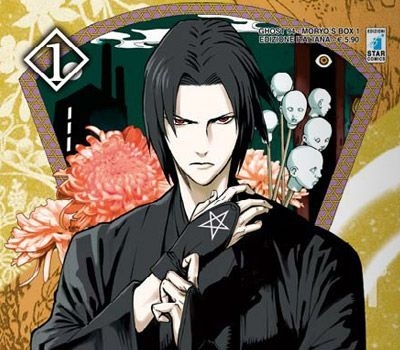
Edito da Star Comics, ecco che giunge finalmente anche in Italia Mōryō no Hako (魍魎の匣) con il titolo di Mōryō’s Box. Si tratta dell’adattamento a fumetti, ad opera dello stesso autore, del celebre omonimo romanzo horror di Natsuhiko Kyogoku (京極 夏彦) che di questi cinque albi cura la sceneggiatura. L’autore, nato nel 1963 a Otaru, è un autore mystery dalla produzione relativamente ristretta ma dalla grande popolarità in patria, vincitore del 49º Mystery Writers of Japan Award proprio con Mōryō no Hako, da cui nel 2008 è stato tratto un anime firmato dalle Clamp, niente di meno, e sceneggiato da Sadayuki Murai, con la regia dell’allora esordiente Ryosuke Nakamura (che avrebbe poi firmato qualche episodio di Nana, oltre che storyboard per Claymore e Deathnote). Mica cazzi, insomma. E la firma delle Clamp, che hanno curato il look dei personaggi nell’anime, non si può dire non traspaia anche nello stile grafico di Aki Shimizu (志水 アキ), ai disegni del manga. È sufficiente la copertina, per rendersene conto. Del resto il suo stile era già affine a quello del quartetto, motivo per cui probabilmente la scelta è ricaduta su di lei (se non mi credete, provate a sfogliarvi cose come Legend of Zipangu). Non mi si fraintenda: la Shimizu ha uno stile suo, ed è uno stile estremamente delicato, onirico, che quasi ricorda le atmosfere pacate e inquietantemente sognanti di Ultimi raggi di luna (l’unica opera veramente buona di Ai Yazawa, a mio modestissimo avviso). E inquietantemente sognante è anche questa storia, tra ragazze fatte a pezzi, storie di orrore e follia quotidiana mescolate a mondi magici come la reincarnazione e le bambole. Una lettura imprescindibile, in questi tempi di magra.

architecture, engineering and construction

The Sustained Path

Every text this last few days has, in one way or another, been circling around the same question: what’s a path and what makes a path? Not a road already drawn and simply walked afterward, but a path in the sense that seems to keep

Read More »
Summertime

The Road is Made by Walking

Antonio Machado was a major Spanish poet and playwright, associated with the Generation of ’98, a group of writers who reflected on Spain’s identity and crisis at the turn of the 20th century. He was born in Seville in 1875 and died in 1939 in

Read More »
Summertime

Kathleen Jamie on Attention and Corridors

Kathleen Jamie is a Scottish poet and essayist, born in 1962, known for her prose and poetry about landscape, place, and everyday life. Findings is her essay collection of personal reflections, first published in 2005, and it moves through nature and cities, archaeology, hospitals, family

Read More »
Share on LinkedIn
Throw on Reddit
Roll on Tumblr
Mail it
No Comments

Post A Comment

This site uses Akismet to reduce spam. Learn how your comment data is processed.

RELATED POSTS

The Sustained Path

Every text this last few days has, in one way or another, been circling around the same question: what’s a path and what makes a path? Not a road already drawn and simply walked afterward, but a path in the sense that seems to keep

Read More

The Road is Made by Walking

Antonio Machado was a major Spanish poet and playwright, associated with the Generation of ’98, a group of writers who reflected on Spain’s identity and crisis at the turn of the 20th century. He was born in Seville in 1875 and died in 1939 in

Read More

Kathleen Jamie on Attention and Corridors

Kathleen Jamie is a Scottish poet and essayist, born in 1962, known for her prose and poetry about landscape, place, and everyday life. Findings is her essay collection of personal reflections, first published in 2005, and it moves through nature and cities, archaeology, hospitals, family

Read More