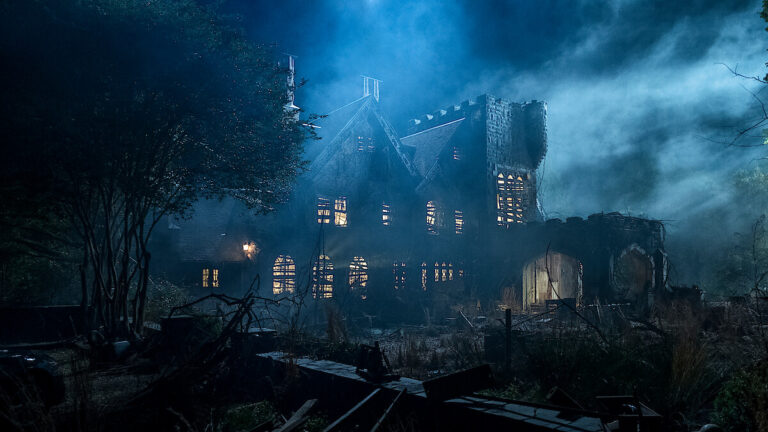
"All this he saw, for one moment breathless and intense, vivid on the morning sky; and still, as he looked, he lived; and still, as he lived, he wondered."

MDW2025 – Day 7

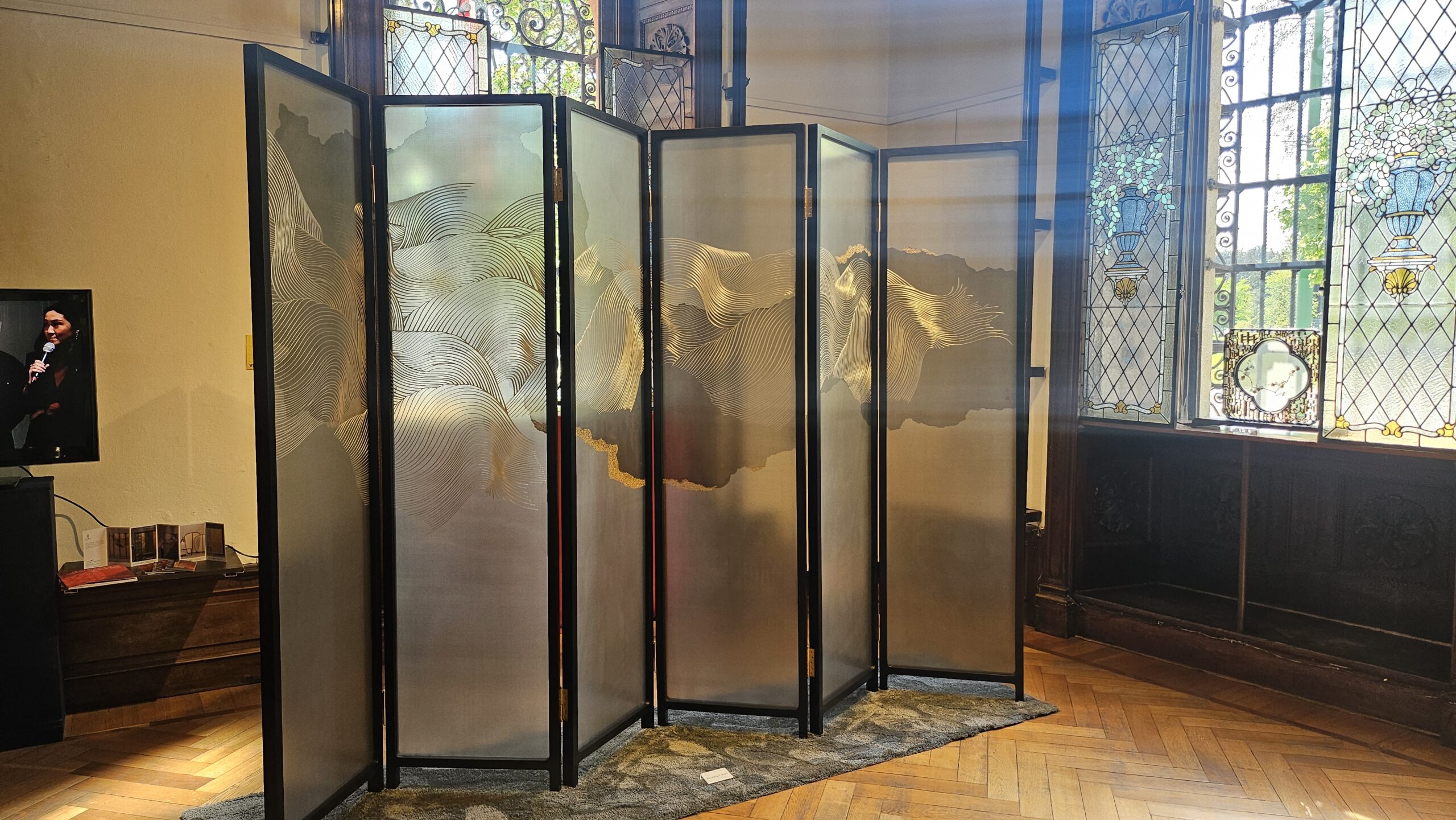
If you want to do something different and you like discovering lesser-known places, you can’t miss the Hundredicrafts exhibition called Adorned Dancer of Eastern Screen, set on the side of the City’s Castle in Via Quintino Sella 4.

This exhibition showcases a series of screens meticulously crafted using various intangible cultural heritage techniques, complemented by a range of lifestyle works such as porcelain, Nanjing Yunjin brocade, embroidery, lacquerware, tea sets, and furniture. It presents a perfect fusion of aesthetics and life, exploring and providing cross-cultural aesthetic inspiration and solutions for the global high-end customization field.

The pieces, both traditional and with a contemporary vibe, carry such grace and beauty that they’ll knock the breath right out of you, but this is not the only reason you should visit.
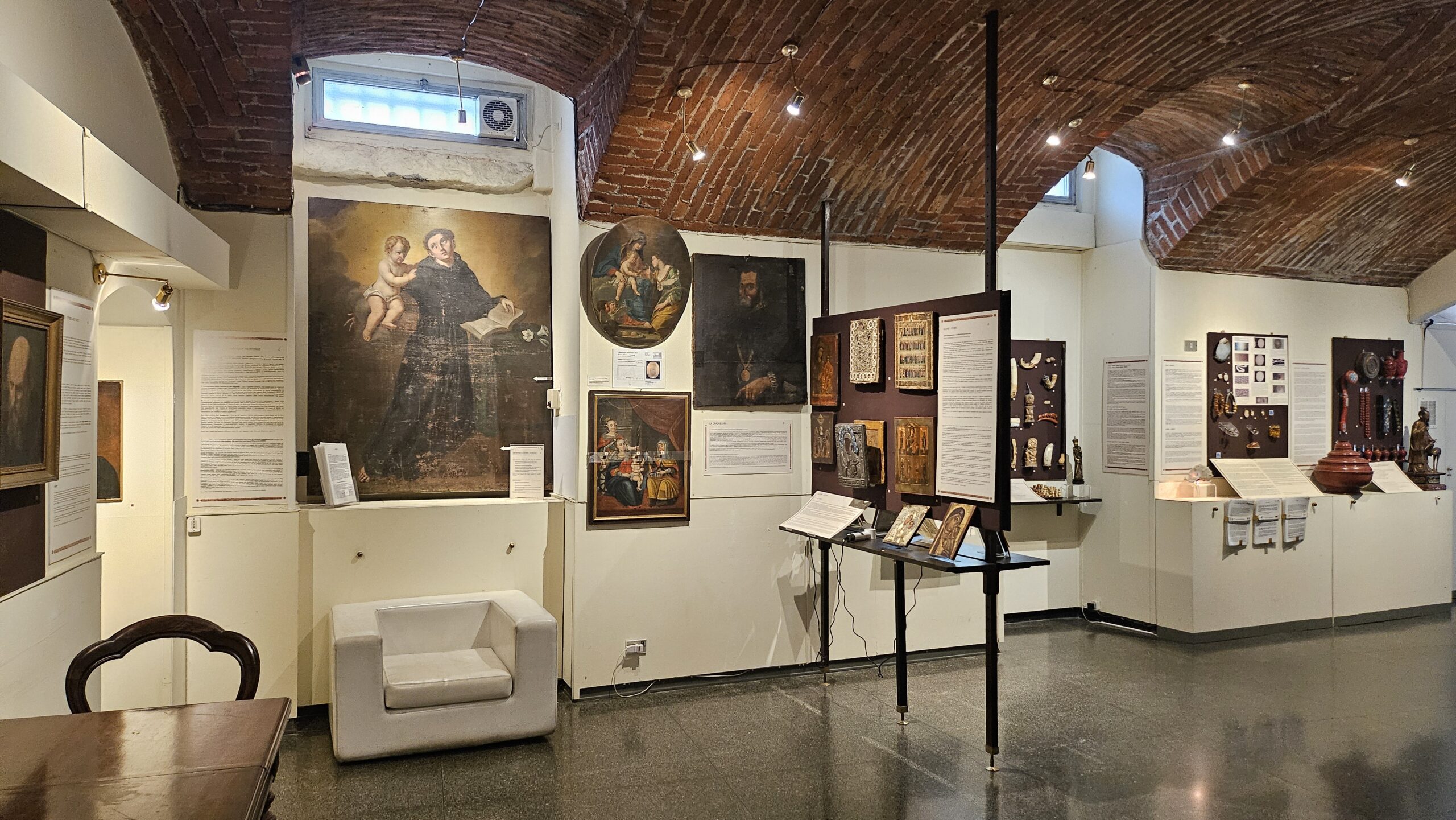
The exhibition is set on the upper floor of the palace, which also hosts the Museum of Art and Science, a unique institution dedicated to the intersection of art, science, and the authentication of artworks. Established in 1990 by German physicist and art enthusiast Gottfried Matthaes, the museum is housed in the 19th-century Palazzo Bonacossa, and is renowned for its educational approach to distinguishing authentic artworks from forgeries. It offers interactive exhibits that guide visitors through various materials and techniques used in art and antiquities, from paintings to ceramics to antique furniture. Each section is equipped with “test stations” featuring microscopes, magnifying glasses, and special lighting, allowing visitors to engage in hands-on analysis and learn about the characteristics that differentiate genuine artifacts from replicas.

The museum also features two rooms dedicated to Leonardo da Vinci, offering insights into his life and work during his time in Milan. Exhibits include studies on his “Treatise on Painting” and his contributions to art and science.
books and literature

Bulgakov’s The Fatal Eggs

Mikhail Bulgakov (Kyiv, 1891–1940) was a novelist, playwright, and former physician, whom I’m sure you know for The Master and Margarita, published posthumously. His work blends sharp satire, fantasy, grotesque comedy, and moral seriousness, often targeting Soviet bureaucracy and ideological hypocrisy, but I had no

Read More »
Spooktober

Spooktober 30 – The Black Monk (5)

Conclusion Kovrin received a professorship at the University. The inaugural address was fixed for the second of December, and a notice to that effect was hung up in the corridor at the University. But on the day appointed he informed the students’ inspector, by telegram,

Read More »
Spooktober

Spooktober 29 – The Black Monk (4)

Chapter 7 One long winter night Kovrin was lying in bed, reading a French novel. Poor Tanya, who had headaches in the evenings from living in town, to which she was not accustomed, had been asleep a long while, and, from time to time, articulated

Read More »
Share on LinkedIn
Throw on Reddit
Roll on Tumblr
Mail it
No Comments

Post A Comment

This site uses Akismet to reduce spam. Learn how your comment data is processed.

RELATED POSTS

Bulgakov’s The Fatal Eggs

Mikhail Bulgakov (Kyiv, 1891–1940) was a novelist, playwright, and former physician, whom I’m sure you know for The Master and Margarita, published posthumously. His work blends sharp satire, fantasy, grotesque comedy, and moral seriousness, often targeting Soviet bureaucracy and ideological hypocrisy, but I had no

Read More

Spooktober 30 – The Black Monk (5)

Conclusion Kovrin received a professorship at the University. The inaugural address was fixed for the second of December, and a notice to that effect was hung up in the corridor at the University. But on the day appointed he informed the students’ inspector, by telegram,

Read More

Spooktober 29 – The Black Monk (4)

Chapter 7 One long winter night Kovrin was lying in bed, reading a French novel. Poor Tanya, who had headaches in the evenings from living in town, to which she was not accustomed, had been asleep a long while, and, from time to time, articulated

Read More