
 Detto così sembra a che fare con una qualche dottrina orientale. Si tratta invece di The Seven Basic Plots, di Christopher Booker, un libro bellissimo che questo post mi ha ricordato.
Innanzitutto, qualche dato:
Christopher Booker
The Seven Basic Plots. Why we tell stories
Londra: Continuum Books, 2004
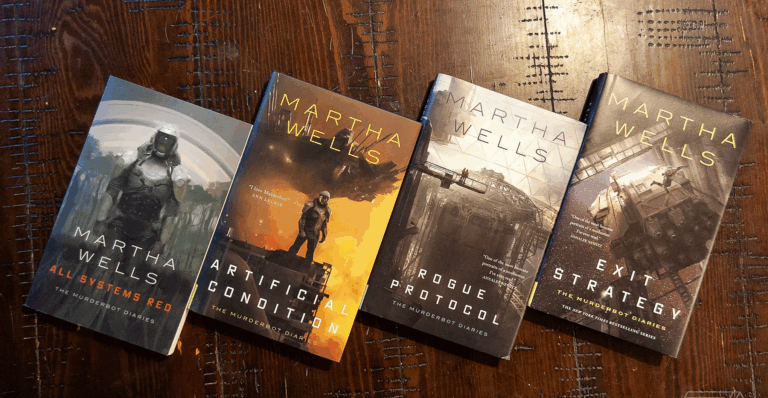
Le sette trame fondamentali di cui parla il libro sono rappresentate in copertina sulle costine visibili dei libri impilati e costituiscono altrettanti tipi narrativi, categorie di trame all’interno delle quali, secondo l’autore, si possono racchiudere tutte. Esse sono:
- overcoming the monster ;
- rags to riches ;
- the quest ;
- voyage and return ;
- comedy ;
- tragedy ;
- rebirth .
1. Overcoming the monster
"Legends of the slaughter of a destructive monster are to be found all over the world. The thought underlying them all is that the monster slain is preternatural and hostile to mankind." (E.S. Hartland, The legend of Perseus)
Appartengono a questa categoria storie come il Gilgamesh, molte fiabe, parti dell’Iliade e, soprattutto, dell’Odissea. Lo schema è semplice: un mostro semina il panico e qualcuno lo deve fermare. In un modo o nell’altro. Che sia esso un Perseo, autentico specialista nel settore (non tutti possono vantare un curriculum come la medusa, Acrisio, il Minotauro e Arianna), o Beowulf (altro fuoriclasse della categoria), il San Giorgio di turno o il decisamente più pacifista San Francesco, poco importa. L’importante è neutralizzare il mostro.
Importante variante su questo tema è costituita dal romanzo gotico, che aggiunge al mostro l’elemento del fascino, prima mancante. Di questa categoria di romanzo fanno parte:
- il melodramma, come il Nicholas Nickelby di Dickens, in cui il giovane protagonista è vessato da un "mostro" tutto umano;
- il racconto di guerra, in cui il mostro – specie con l’arrivo delle armi da fuoco e della guerra di trincea – è un nemico invisibile che, quando è visto, si rivela in tutto e per tutto uguale a se stessi;
- il western hollywoodiano, ovviamente culminante con il duello tra l’eroe e il "mostro";
- il thriller, in cui il mostro è generalmente un fuorilegge che deve essere assicurato alla giustizia;
- la fantascienza, in cui il mostro è sempre chiaramente identificabile anche solo guardandolo;
- Star Wars, che nell’analisi di Booker merita un capitolo a sé e che abbraccia molte categorie, dal conflitto con il proprio mostro interiore al più classico dei combattimenti con l’antagonista.
Devo confessare che questo filone riscuote il mio totale consenso, almeno dal punto di vista emotivo. Anche se ho sempre fatto il tifo per Darth Vader.

Questo per dare un’idea di che cosa parla il libro. Se interessa, continuo con la carrellata.


No Comments