
The exhibition Nocturnes, hosted in the Canovian Rooms of the Museo Correr in Venice, stages works by Karen LaMonte alongside classical statues and it’s the first appointment in the Dialoghi Canoviani programme, which aims to place contemporary artistic research in direct dialogue with the museum’s neoclassical sculpture collection. As a curatorial framework, it was chosen not to create a thematic overlap, but LaMonte’s work is used to activate a comparison on form, technique, and the idea of the body in sculpture, which basically means that pieces are placed alongside the existing installations and you’ll have to do all the work. It’s not dissimilar to what I showed you on the Armani installation in Brera, Milan, in a way, and I got a chance to see it last January during my visit in Venice.
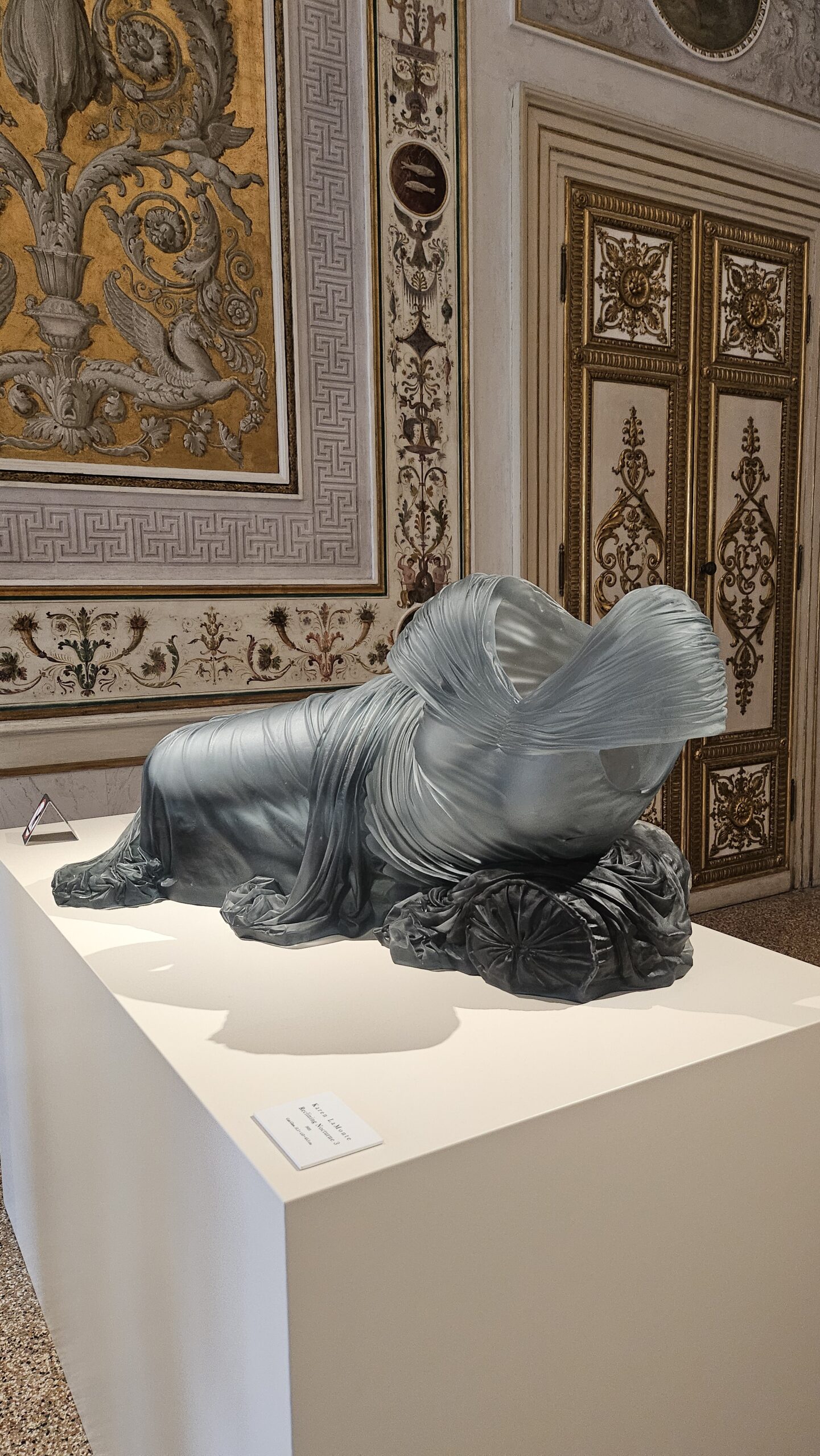
LaMonte’s practice is strongly based on precision and technical control: her process works through subtraction, as she sculpts garments rather than bodies and produces volumes that are extremely detailed but deliberately empty. The absence of the figure becomes the central subject. What remains is the trace of a presence — a form that refers to someone who is no longer there — which is particularly powerful when placed in dialogue with statues and bodies we know nothing about.
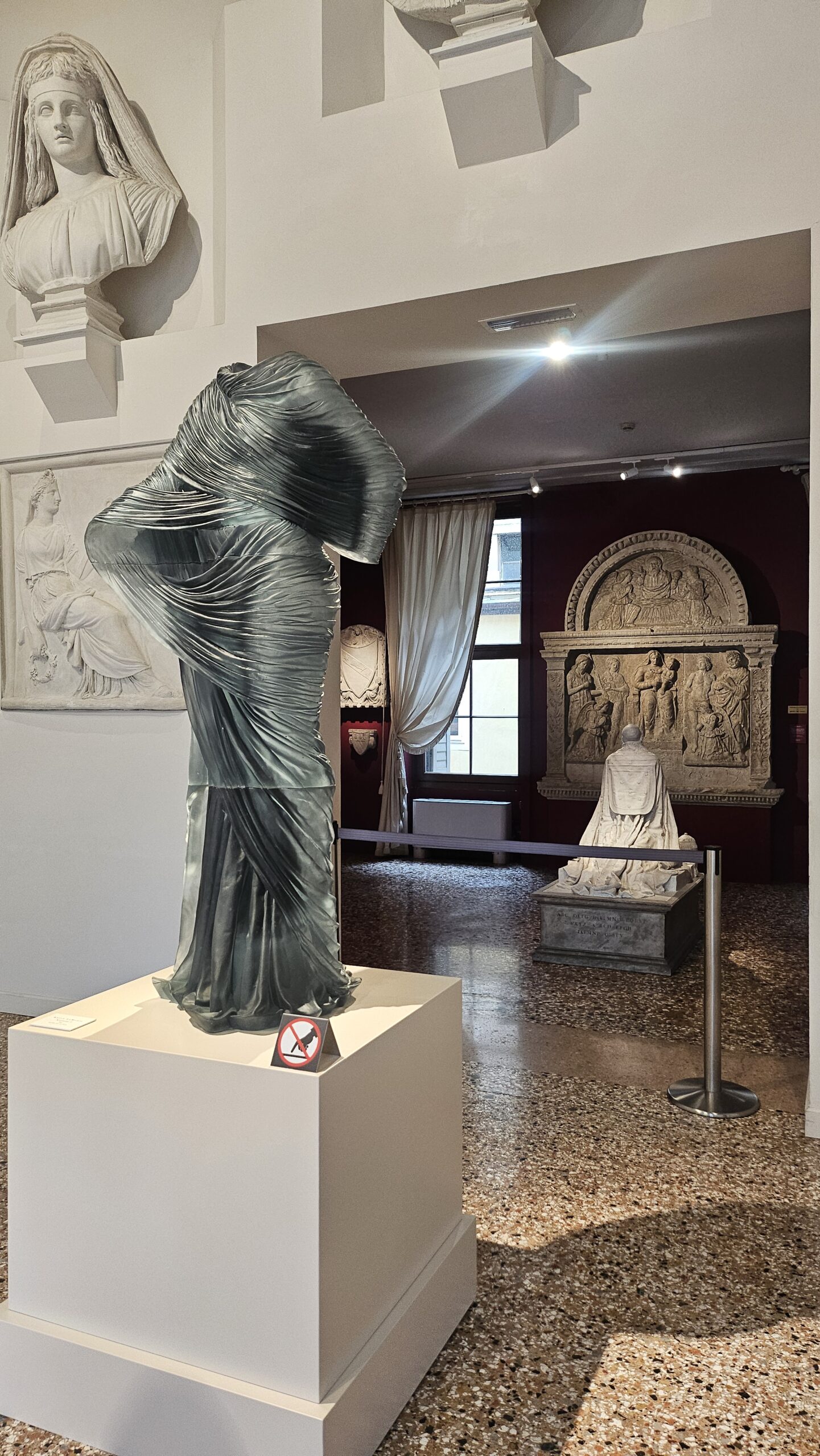
This approach is consistent with LaMonte’s broader interest in clothing as a container, a surface where identity and memory are recorded indirectly. In the exhibition text, this idea is described as a type of reverse narration: the sculptures do not describe what is visible, but evoke — through absence, as we were saying — what once existed. This conceptual shift is crucial to the experience of Nocturnes.
Where Canova uses technical perfection to produce an idealised, fully present body, LaMonte uses a comparable level of precision to produce an opposite effect: the body is removed, and the sculpture becomes a structured emptiness.
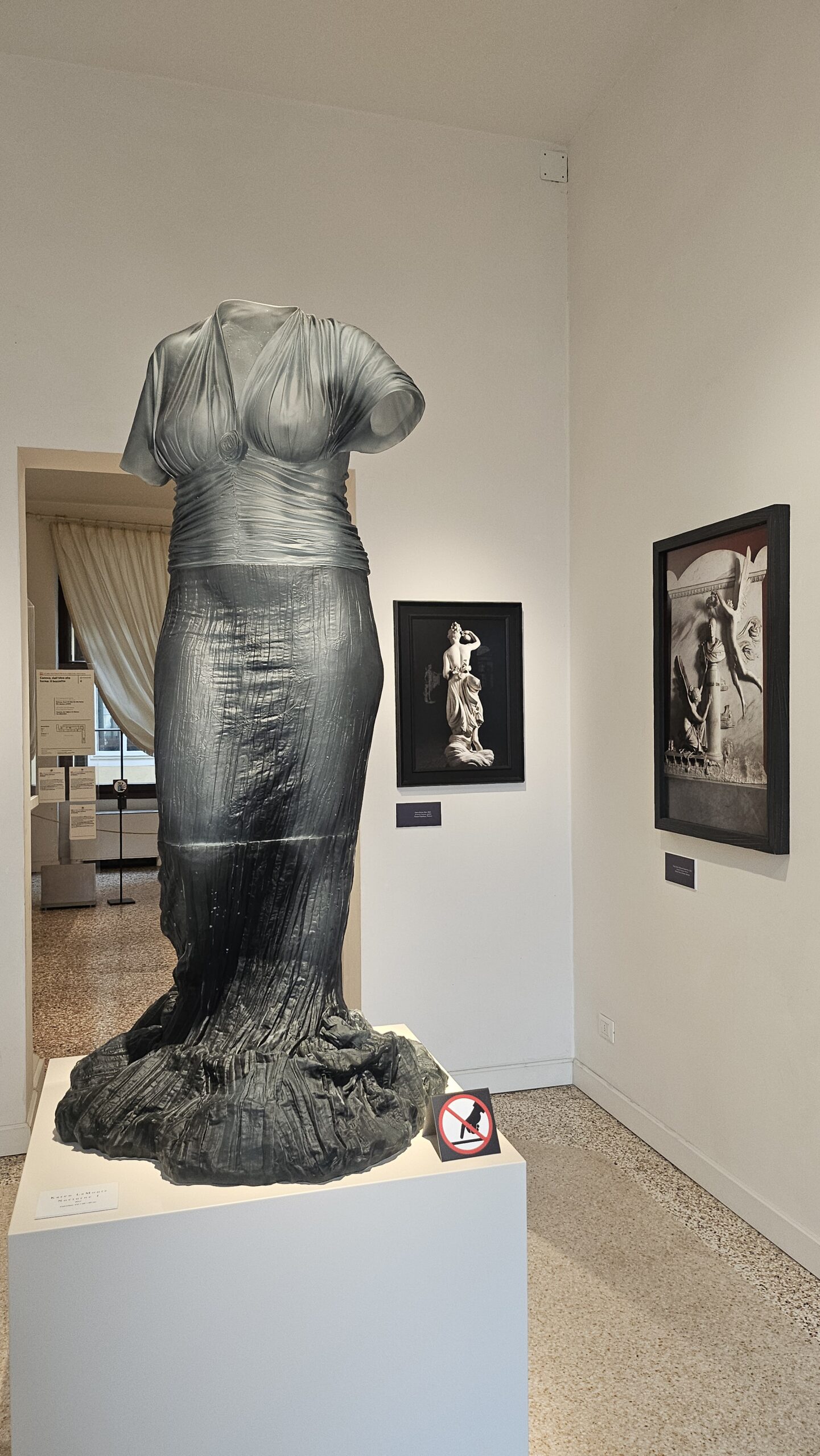
The series presented at the Correr consists of four sculptures, realised in glass and characterised by deep tonalities which reinforce the title’s reference to nocturnal atmospheres. The chromatic choice supports the exhibition’s central tension between surface and depth, between what the eye can read immediately and what remains ambiguous. The glass also plays a major role in how the sculptures behave in space, as light changes the perception of volume, transparency, and weight.
Overall, Nocturnes is a compact but coherent exhibition. It is visually striking, but its impact is primarily conceptual: it encourages reflection on the relationship between identity and form, and on how sculpture can represent not only presence, but also loss, memory, and disappearance. The dialogue with Canova is successful precisely because it avoids easy parallels and instead focuses on what sculpture can do today when it revisits the classical language from a contemporary position. I won’t suggest you go and visit it, since it ends in five days and the Correr museum is usually flooded in tourists, but I will praise the museum’s initiative: it’s high time Venice steps up from its complacent state, and this feels like a step in the right direction.
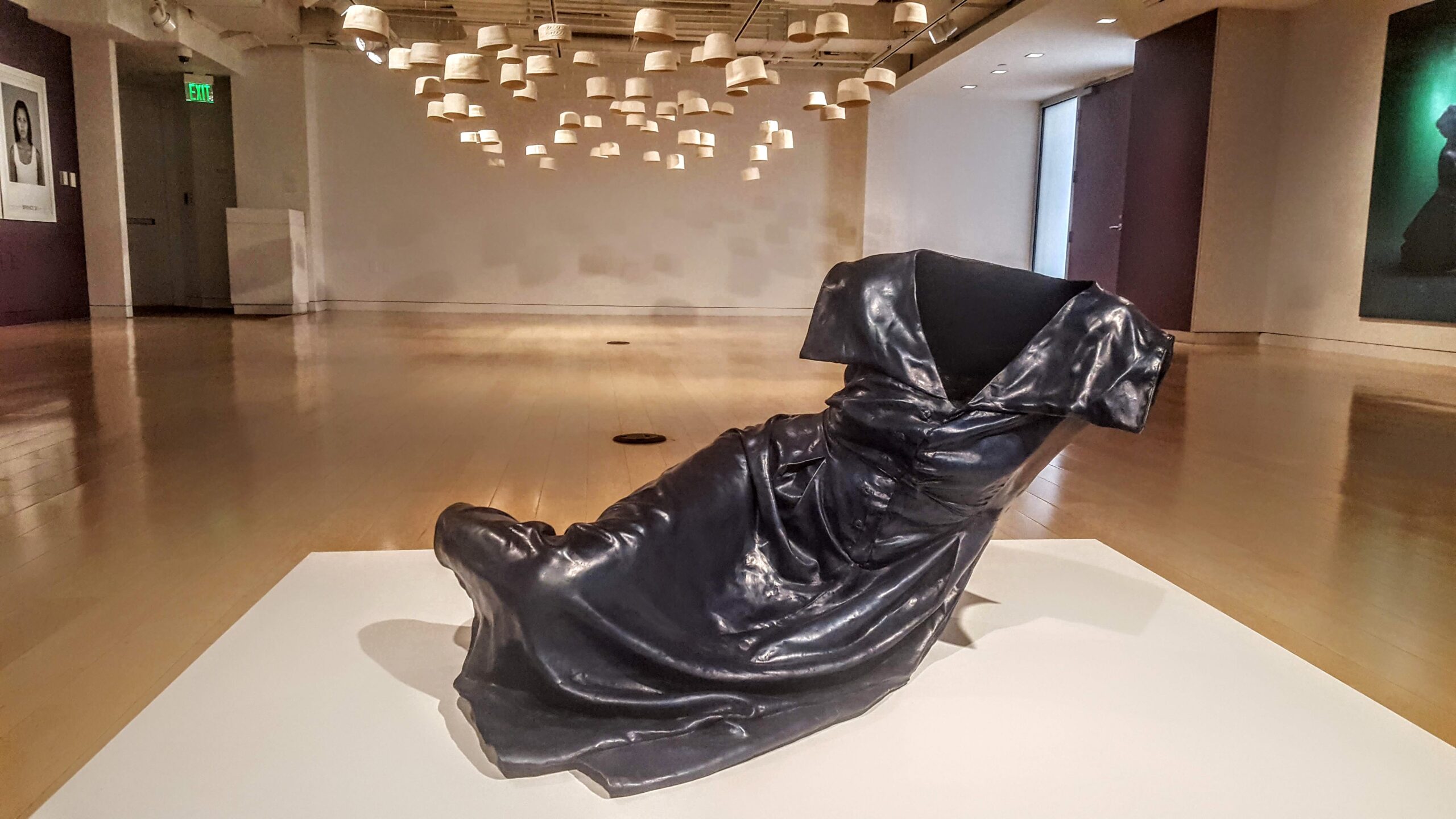
Edit: Google finally helped me to remember where else I had recently seen LaMonte’s work, and it’s the San Francisco Museum of Modern Art.


No Comments