"All this he saw, for one moment breathless and intense, vivid on the morning sky; and still, as he looked, he lived; and still, as he lived, he wondered."

Julia #117 – I misteri di Smiling Lake


di
Giancarlo Berardi e Lorenzo Calza
disegni di Ernesto Michelazzo
copertina di Marco Soldi
Sergio Bonelli Editore

Che in casa Bonelli non sappiano più che pesci prendere con parecchie delle loro testate, è un’impressione aleggiante da tempo, e con preoccupante insistenza, almeno su tutte quelle che seguo con una certa regolarità. Che Julia, in particolare, sia da qualche tempo diventata un personaggio privo di spunti che non siano le sue oniriche incursioni da bignami di psicanalisi è un altro triste fatto. E, almeno inizialmente, questo albo sembra inserirsi nel triste solco di questa deriva: il lunghissimo inizio con i problemi personali della criminologa sembra introdurre ad uno spunto da signora Fletcher, degno della più scontata Agatha Christie, e andando verso il finale – tra personaggi orrendamente stereotipati e derive soprannaturali che sembrano ancora una volta frutto dell’ingombrante ombra di Dylan Dog sull’intero editore – viene veramente da dubitare che gli autori sappiano che cosa stanno facendo.
E invece proprio alla fine, come in ogni buon giallo che si rispetti, tocca ricredersi in toto. Ricorso al soprannaturale per mancanza di idee? No. Ennesimo tentativo fallito di emanciparsi da Dylan Dog? Sbagliato. La trama regge ed era molto ben costruita sin dall’inizio: i personaggi, il lungo spunto scatenante che dà plausibiità interna alla scelta di Julia di accettare la vacanza, lo snodarsi del doppio mistero e la doppia rivelazione consecutiva. Persino il secondo finale, quasi da noir, con gli interessi economici che finiscono col prevalere, ho il sospetto abbia qualche tara dal punto di vista legale ma è comuque perfettamente in sintonia con l’atmosfera uggiosa e fatalista dell’albo, e si apprezza molto. Proprio per via di questa atmosfera, forse, stona un po’ il terzo finale, il “lieto fine”. Ma, come diceva Osgood, nessuno è perfetto.
In generale, forse il migliore albo di Julia da un bel po’ di tempo a questa parte. Consigliato.
books and literature

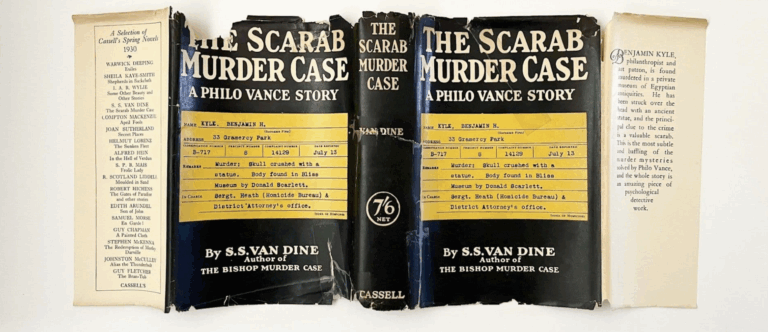
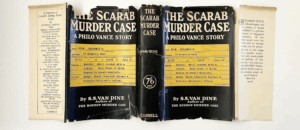
S.S. Van Dine’s The Scarab Murder

S.S. Van Dine was the pen name of Willard Huntington Wright (1888–1939), an art critic, editor, and novelist from the US who created Philo Vance, apparently one of the defining amateur detectives of the Golden Age of detective fiction. The Vance series ran to twelve

Read More »
books and literature

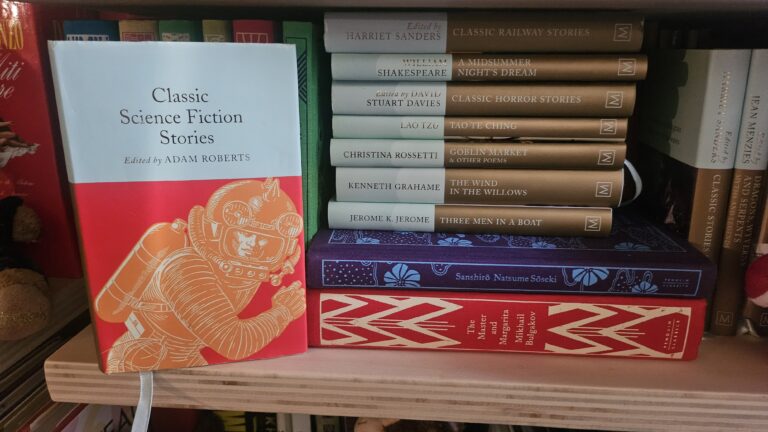
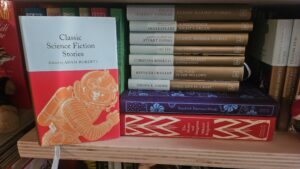
Classic Science Fiction Stories

This is the third collection I read from these charming little light-blue books with the golden pages, and they’re uneven at best. Once again, as such, I have mixed feelings about this collection and I’ll have to proceed scientifically to give a rating, so here

Read More »
architecture, engineering and construction

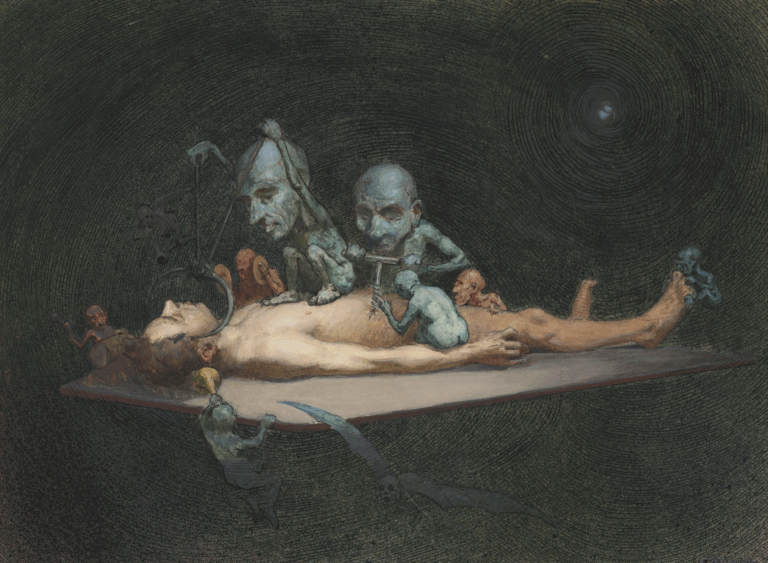
Artificial Integrity in the Age of Anxiety

In 1947, British-American poet W.H. Auden published The Age of Anxiety, a long poem subtitled “A Baroque Eclogue”. In a nutshell, four strangers meet in a bar on Third Avenue in Manhattan, on All Souls’ Night, so it’s even seasonal, in the middle of a

Read More »
Share on LinkedIn
Throw on Reddit
Roll on Tumblr
Mail it
No Comments

Post A Comment

This site uses Akismet to reduce spam. Learn how your comment data is processed.

RELATED POSTS

S.S. Van Dine’s The Scarab Murder

S.S. Van Dine was the pen name of Willard Huntington Wright (1888–1939), an art critic, editor, and novelist from the US who created Philo Vance, apparently one of the defining amateur detectives of the Golden Age of detective fiction. The Vance series ran to twelve

Read More

Classic Science Fiction Stories

This is the third collection I read from these charming little light-blue books with the golden pages, and they’re uneven at best. Once again, as such, I have mixed feelings about this collection and I’ll have to proceed scientifically to give a rating, so here

Read More

Artificial Integrity in the Age of Anxiety

In 1947, British-American poet W.H. Auden published The Age of Anxiety, a long poem subtitled “A Baroque Eclogue”. In a nutshell, four strangers meet in a bar on Third Avenue in Manhattan, on All Souls’ Night, so it’s even seasonal, in the middle of a

Read More