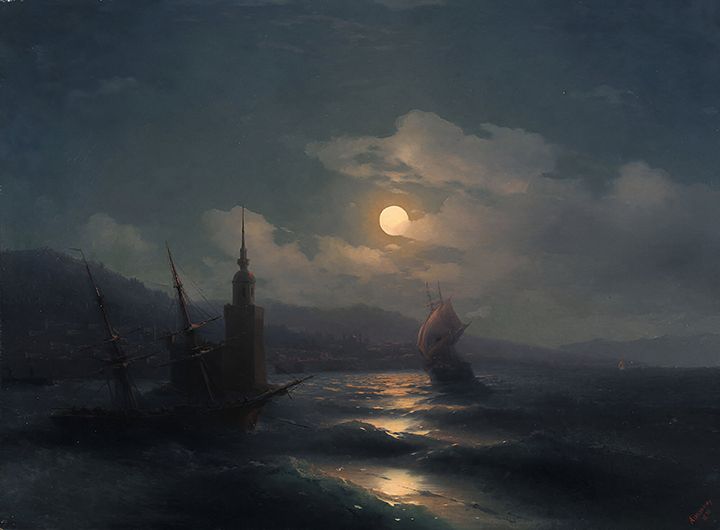
"All this he saw, for one moment breathless and intense, vivid on the morning sky; and still, as he looked, he lived; and still, as he lived, he wondered."

Hills Like White Elephants

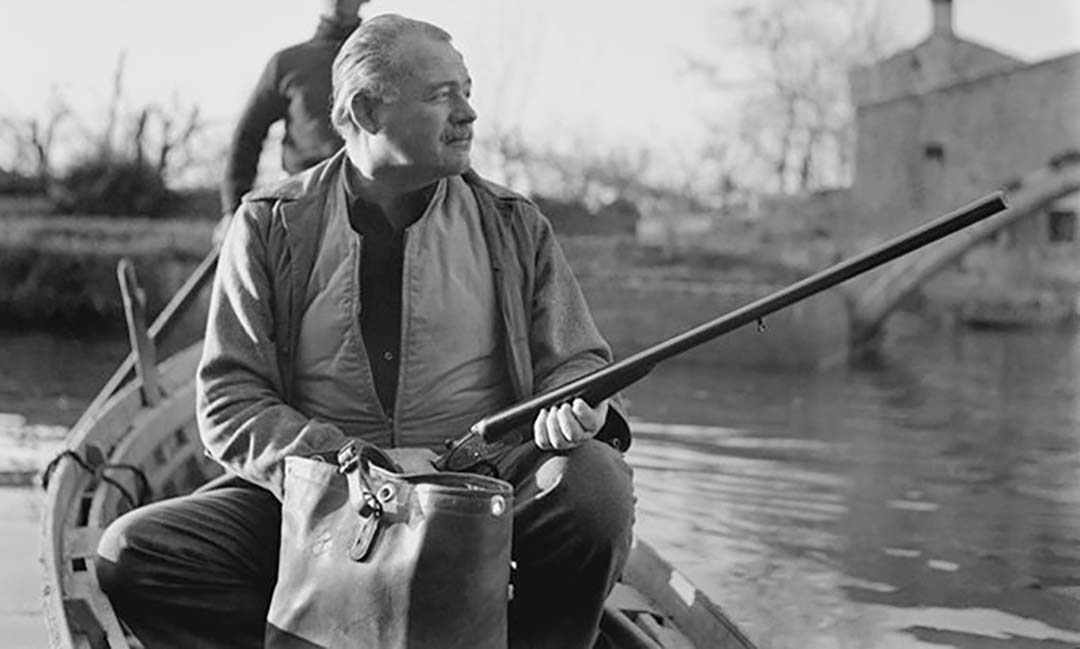
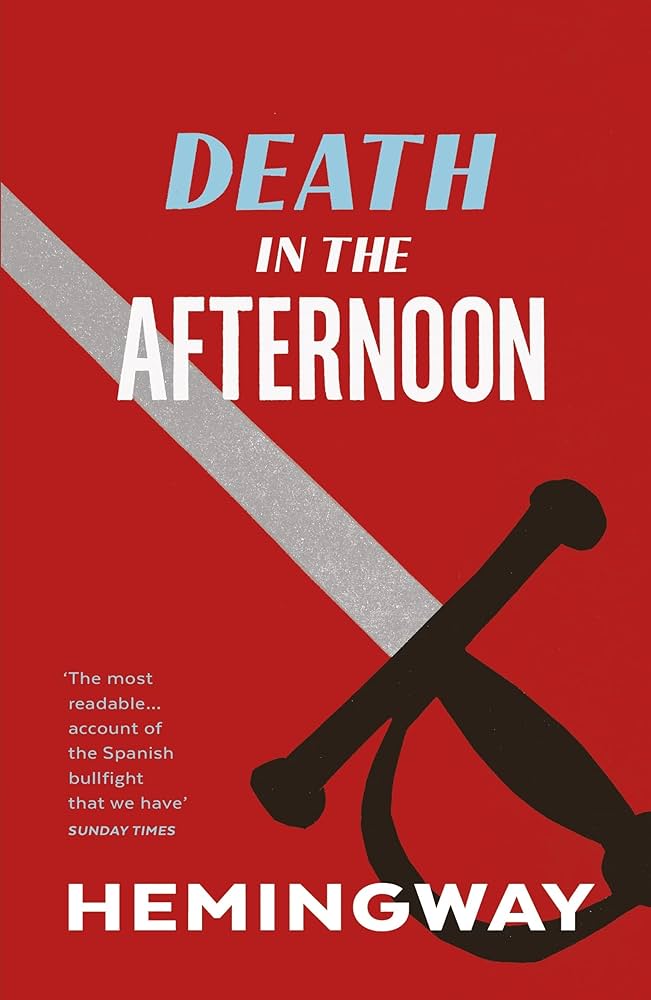
I don’t think Ernest Hemingway needs any introduction, but his Death in the Afternoon maybe does: it’s a 1932 non-fiction book about Spanish bullfighting, and it’s part cultural study, part travel writing, and part reflection on courage, fear, death, and art. It’s not for the faint of heart. I’m not actually recommending it.

What’s concerning us today is this:

“If a writer of prose knows enough about what he is writing about he may omit things that he knows and the reader, if the writer is writing truly enough,
will have a feeling of those things as strongly as though the writer had stated them.
The dignity of movement of an ice-berg is due to only one-eighth of it being above water.”

As we know, a writer who omits things because he doesn’t know them only makes hollow places in the writing. The theory only works in one direction. Omission is a technique for someone who has the full seven-eighths worked out and is choosing to show you the one-eighth. It is not a technique for hiding the fact that the other seven-eighths was never there.
Looking back at 1927, “Hills Like White Elephants” is a short story about an American man and a young woman, Jig, talking at a train station in Spain. The central tension is an implied decision about an abortion, told almost entirely through subtext rather than direct statement. Nothing is explained. The tension of the story lives entirely in the eighth Hemingway shows you — a beaded curtain, a warm wind, a bag with hotel labels from every place they’ve stayed and never settled — while the actual subject sits, fully formed in Hemingway’s own understanding but never surfaced, doing all its work from below the waterline.

The distinction that actually matters, then, isn’t shown versus hidden. It’s known-and-shielded versus never-known-at-all.

I think there’s a kind of storytelling, in design, that can take advantage of this perspective.
Summertime

Marianne Moore’s Real Toads

Marianne Moore was an American modernist poet, critic, editor, and translator known for her wit and formal experimentation. She was born in Missouri in 1887, studied at Bryn Mawr College, and became one of the major voices of 20th-century American poetry. Selected Poems is one

Read More »
books and literature

Classic Stories of the Sea

A charming collection of tales on the sea in various forms, curated by Harrier Sanders, all delightful if a bit too heterogeneous for my taste. You go feom tales of sailors (“The Captain’s Arm”, “Hornblower and the Widow McCool”) to tales in which the sea

Read More »
Summertime

Ten Windows

Jane Hirshfield is an American poet, essayist, and translator, widely admired for work that bridges lyric poetry, meditation, ecology, and philosophy. She’s also known as a lucid critic of poetry and has written influential essays on how poems work and why they matter. Ten Windows:

Read More »
Share on LinkedIn
Throw on Reddit
Roll on Tumblr
Mail it
No Comments

Post A Comment

This site uses Akismet to reduce spam. Learn how your comment data is processed.

RELATED POSTS

Classic Stories of the Sea

A charming collection of tales on the sea in various forms, curated by Harrier Sanders, all delightful if a bit too heterogeneous for my taste. You go feom tales of sailors (“The Captain’s Arm”, “Hornblower and the Widow McCool”) to tales in which the sea

Read More

Ten Windows

Jane Hirshfield is an American poet, essayist, and translator, widely admired for work that bridges lyric poetry, meditation, ecology, and philosophy. She’s also known as a lucid critic of poetry and has written influential essays on how poems work and why they matter. Ten Windows:

Read More

The Space You Have to Learn Is There

Annie Dillard is an American writer best known for her lyrical and philosophical essays about nature, attention, and spiritual life. Her most famous book, Pilgrim at Tinker Creek (1974), won the Pulitzer Prize for Nonfiction. It’s a work of made up of connected essays and

Read More