"All this he saw, for one moment breathless and intense, vivid on the morning sky; and still, as he looked, he lived; and still, as he lived, he wondered."

expo 2015 – il padiglione Italia

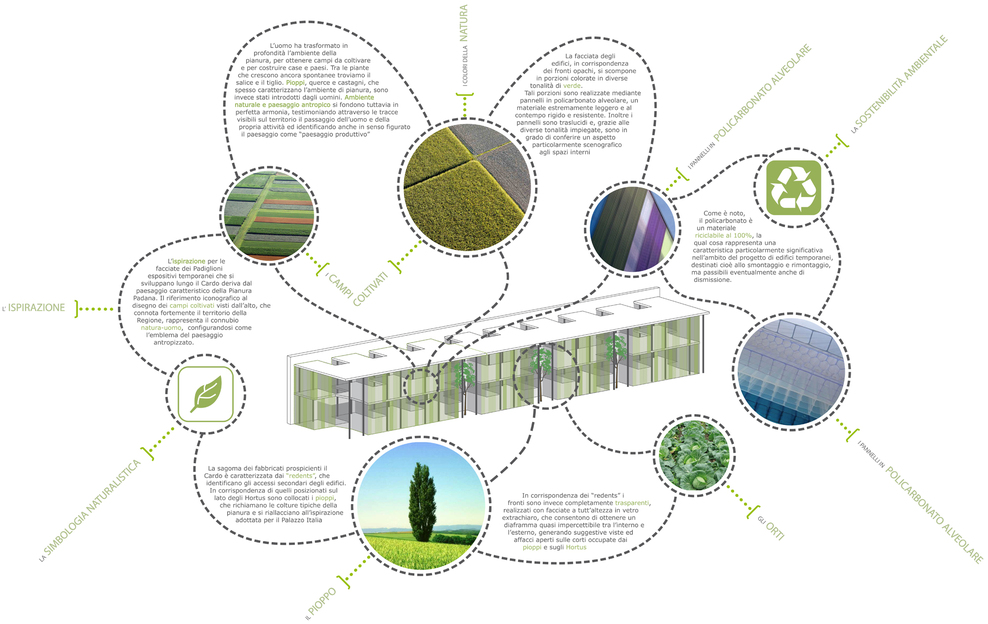
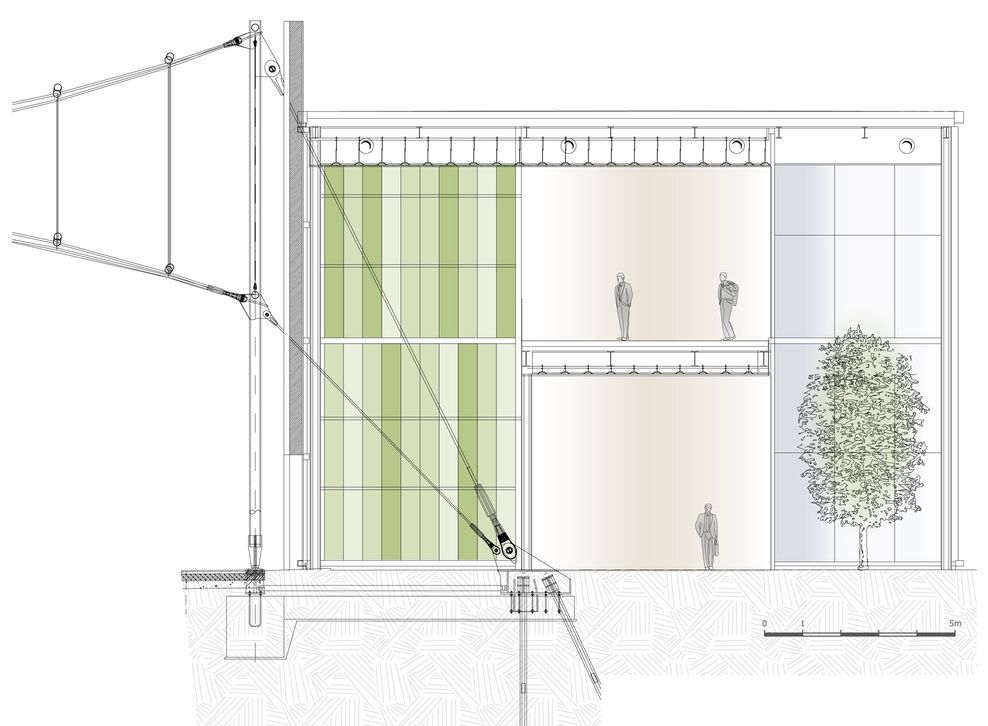
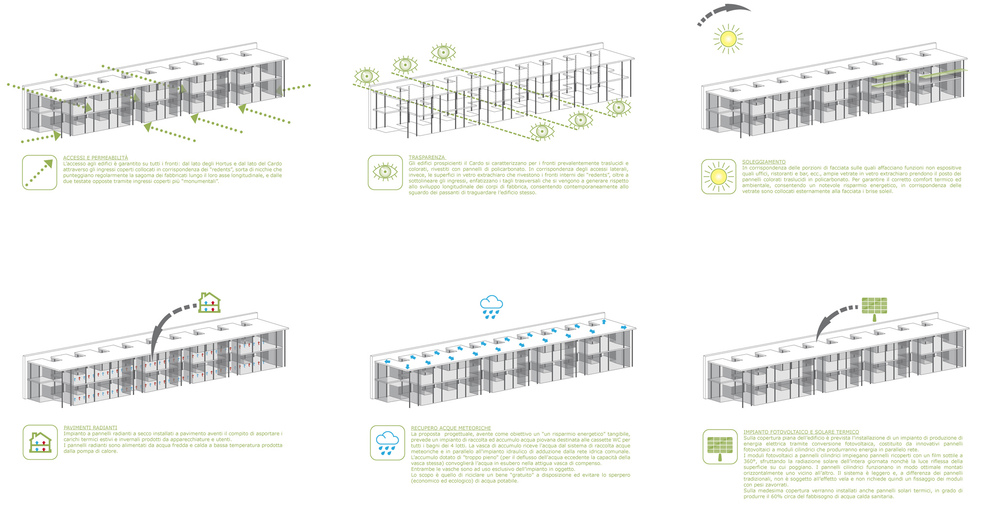
Sono stati resi pubblici da pochi giorni i risultati del concorso che ha visto la vittoria del Nemesi Studio di Roma per la realizzazione del padiglione italiano all’ormai imminente expo del 2015. Sull’ottimo sito Europa Concorsi è possibile visionare gli altri progetti classificati, che sembrano avere in comune la forma parallelepipeda e l’utilizzo di una seconda pelle più o meno traslucida. Dal padiglione di Mario Bellini che allude all’albero della vita e lavorava su cardo e decumano con una corte interna ripresa dalla tradizione abitativa milanese, gli hortus interni e i fronti in linea con il contributo scenografico di Dante Ferretti.
    

Dal progetto di Giugiaro, che interpreta l’albero in senso più letterale e si fa al ritmo e alla conformazione del pioppo per un padiglione porticato, sviluppato come una piazza, ma materiali decisamente meno orientati ad un legame visivo con la natura: facciata integrata in vetro, struttura metallica, maxischermi.
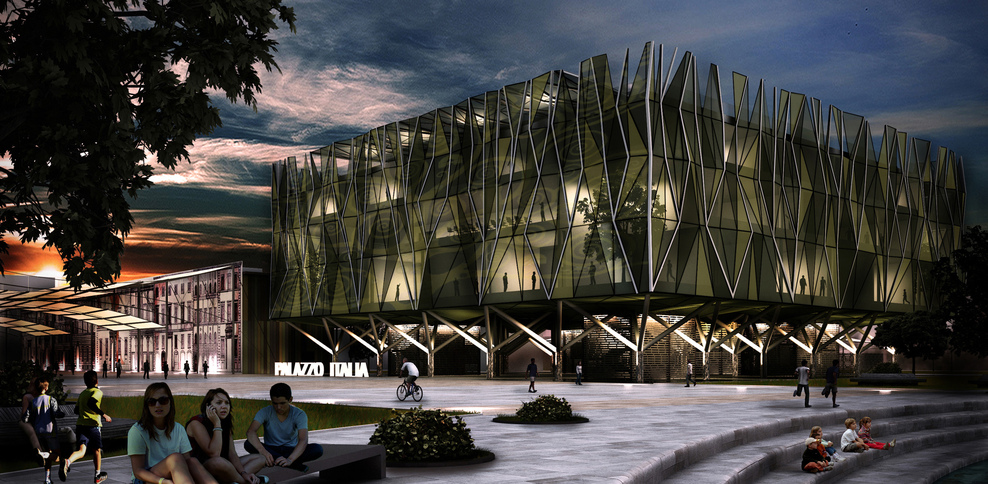
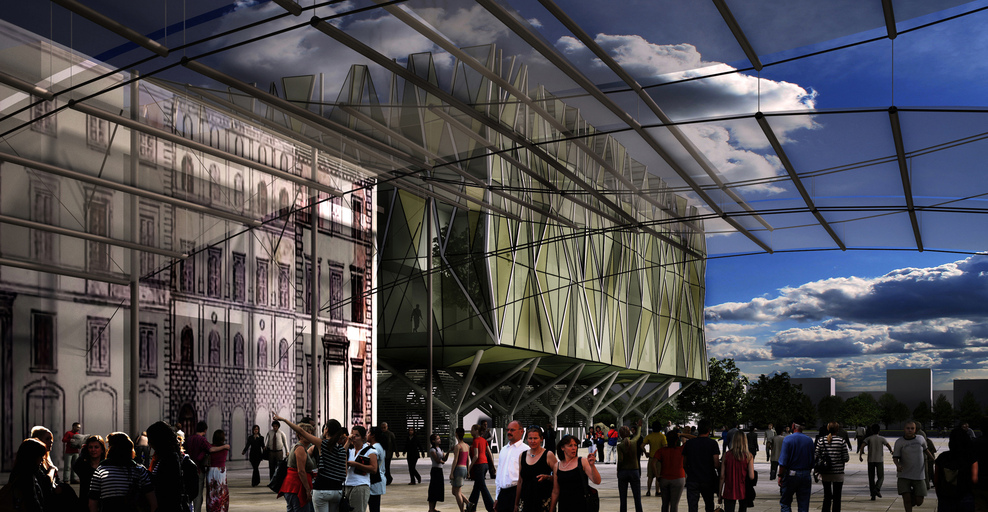


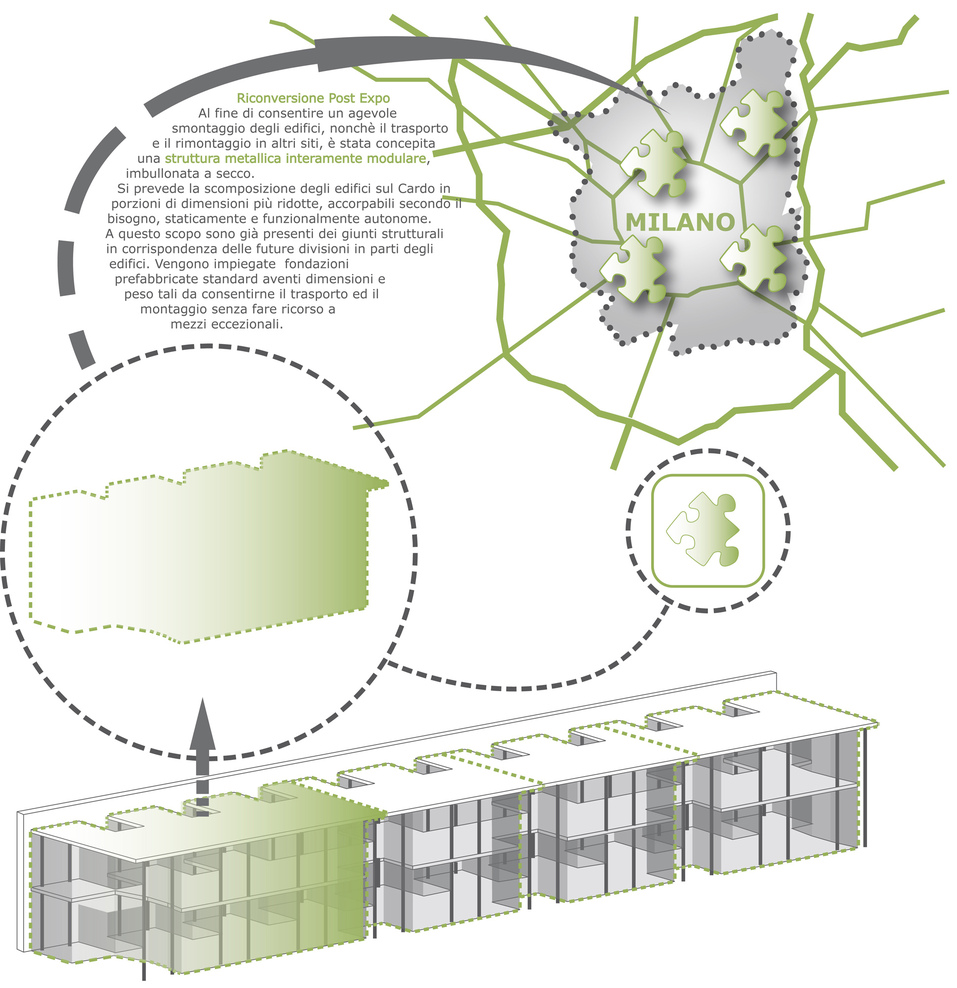
Molto più interessante, in un certo senso, il progetto di riconversione del padiglione.


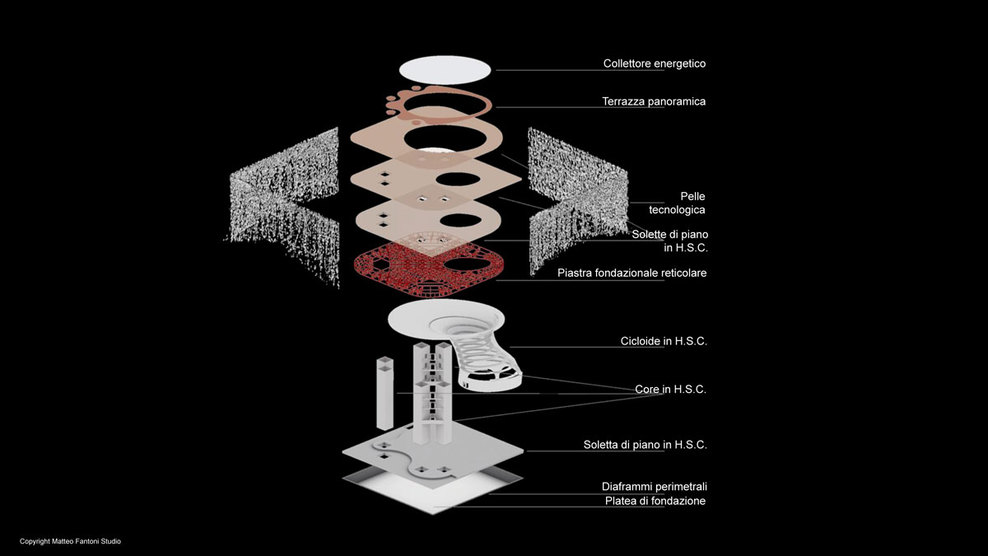
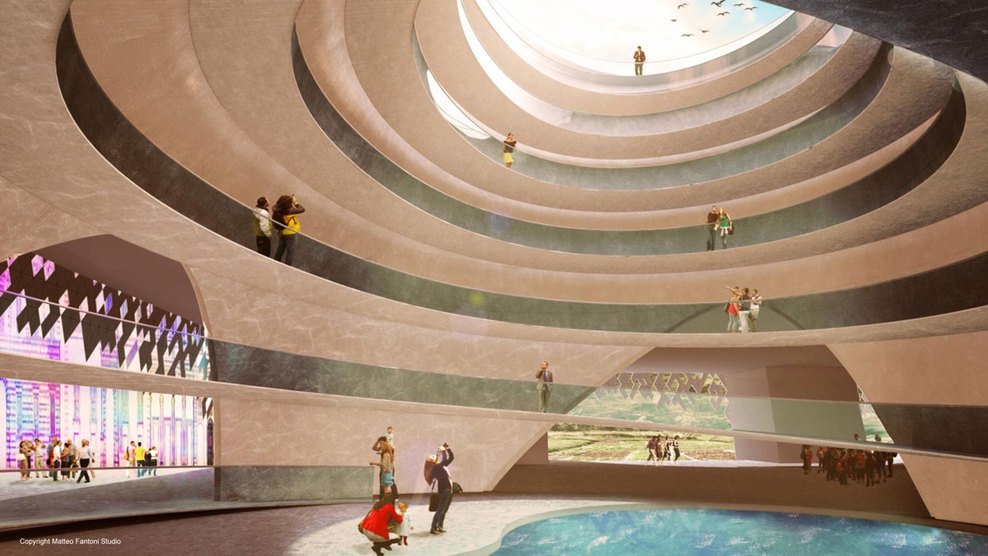
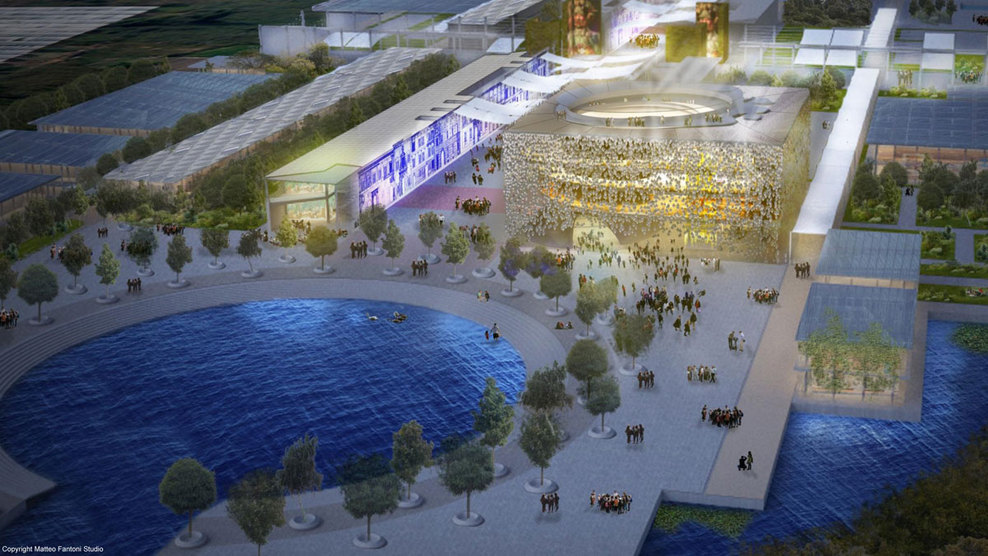
Terzo classificato è il progetto di Matteo Fantoni, che in un certo senso ricorda il padiglione danese di Shanghai: una piazza circolare interna al padiglione, uno specchio d’acqua che compenetra l’edificio andando a creare un laghetto interno, una struttura a nastro di sapore guggenheimiano intorno.
  

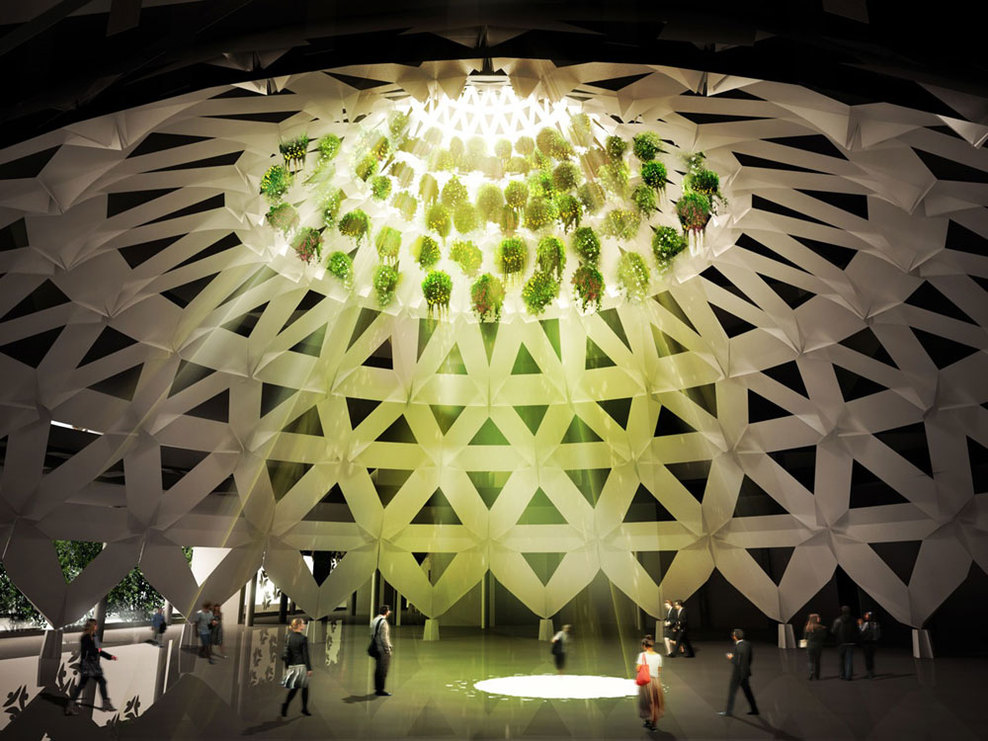
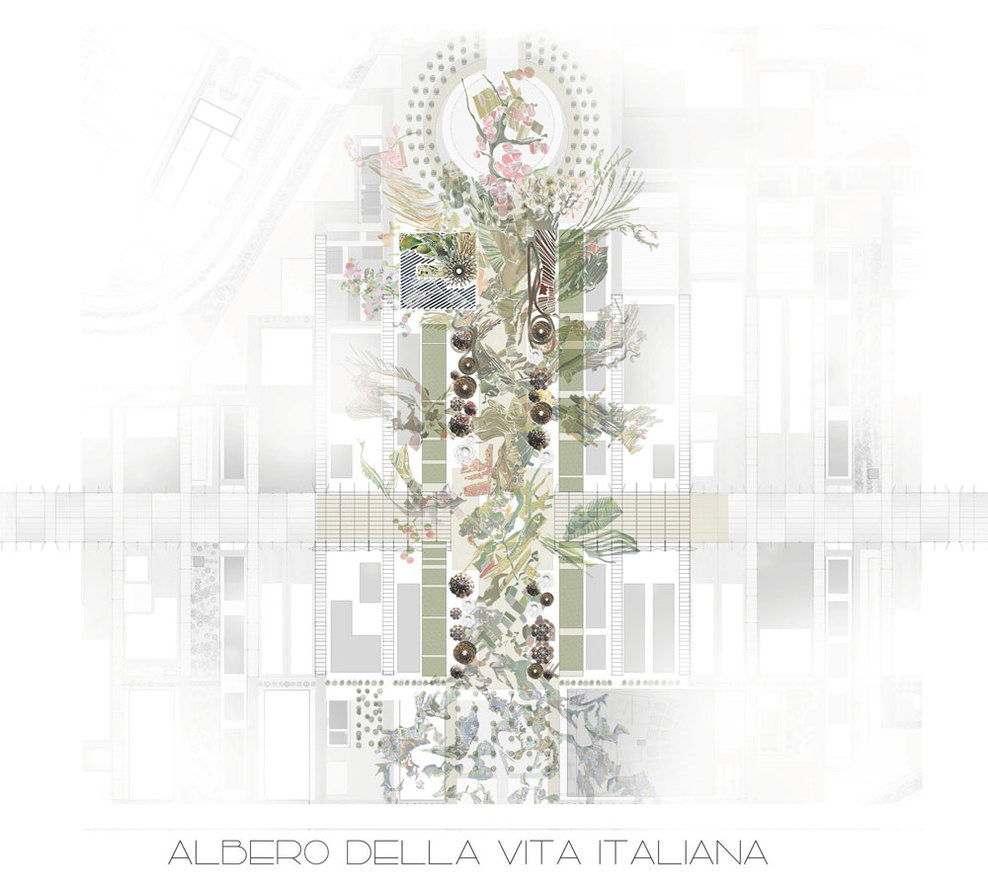
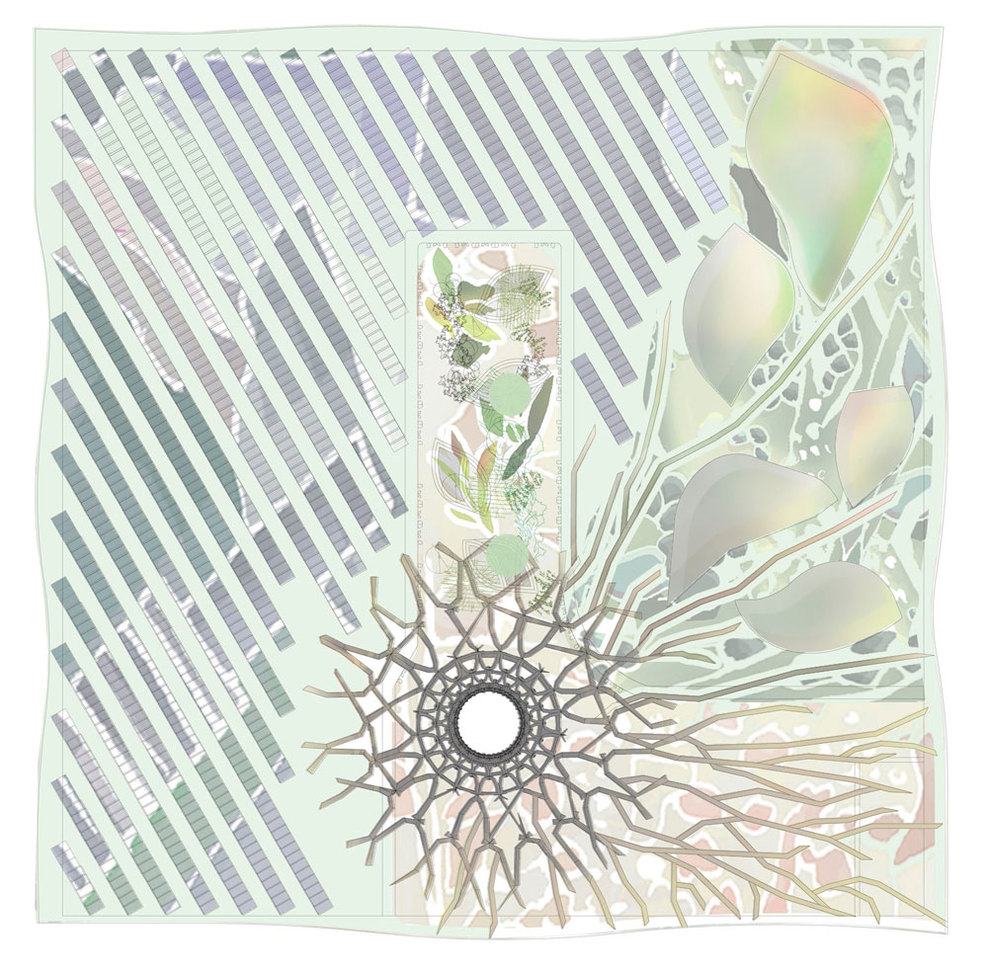
Secondo è il bellissimo progetto di Miralles Tagliabue, non un albero della vita in senso universale ma uno specifico, molto locale albero della vita italiana, strutture ottimizzate per una costruzione senza sprechi ed una splendida piazza centrale con cupola.
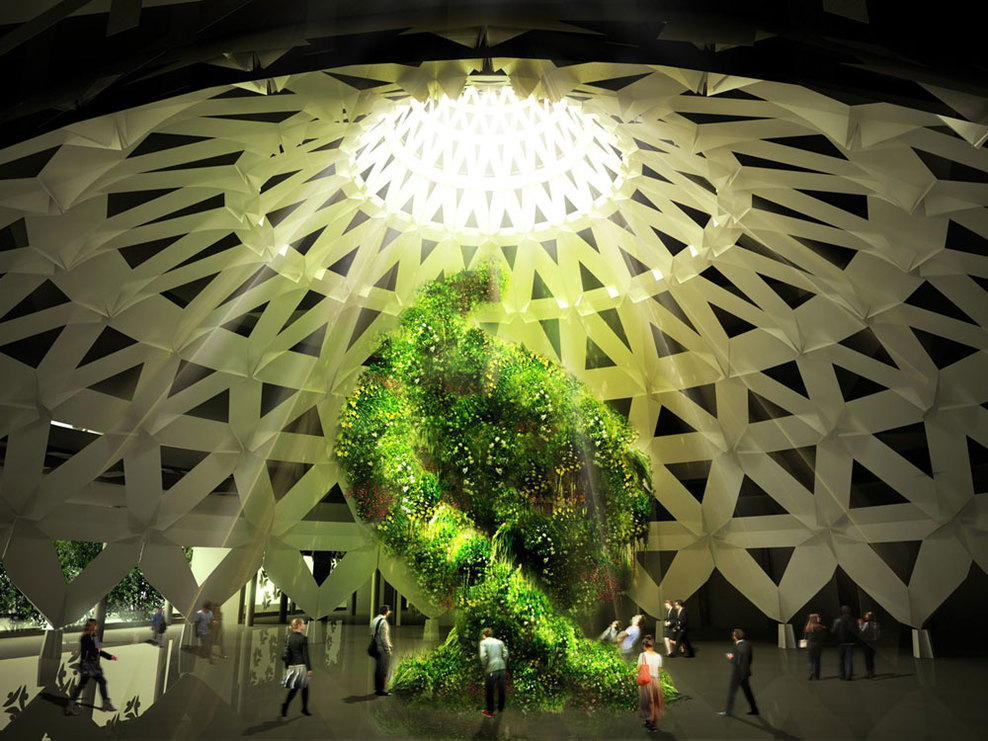
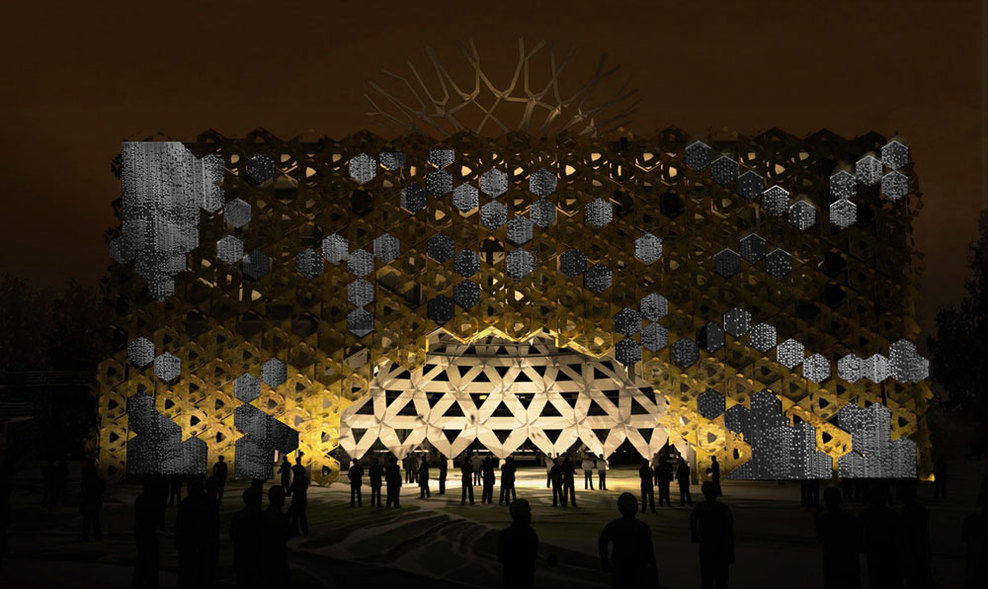
  

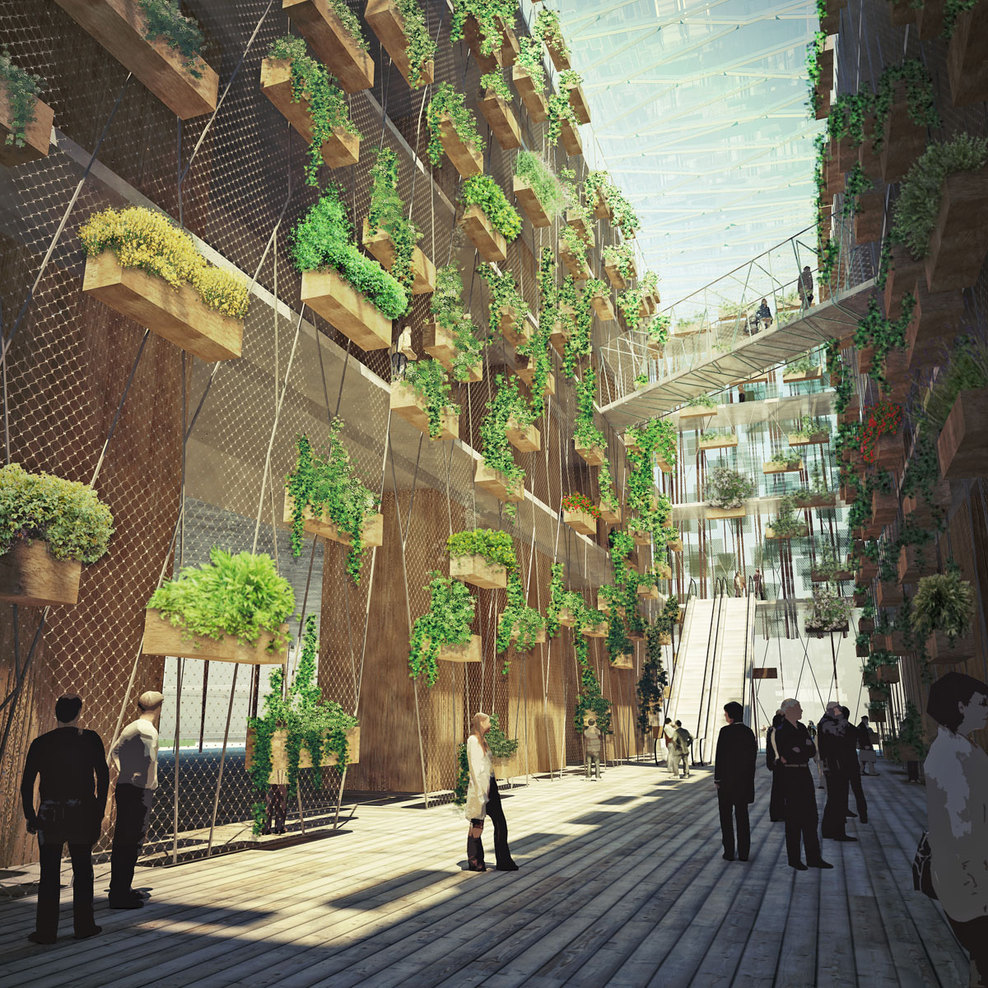
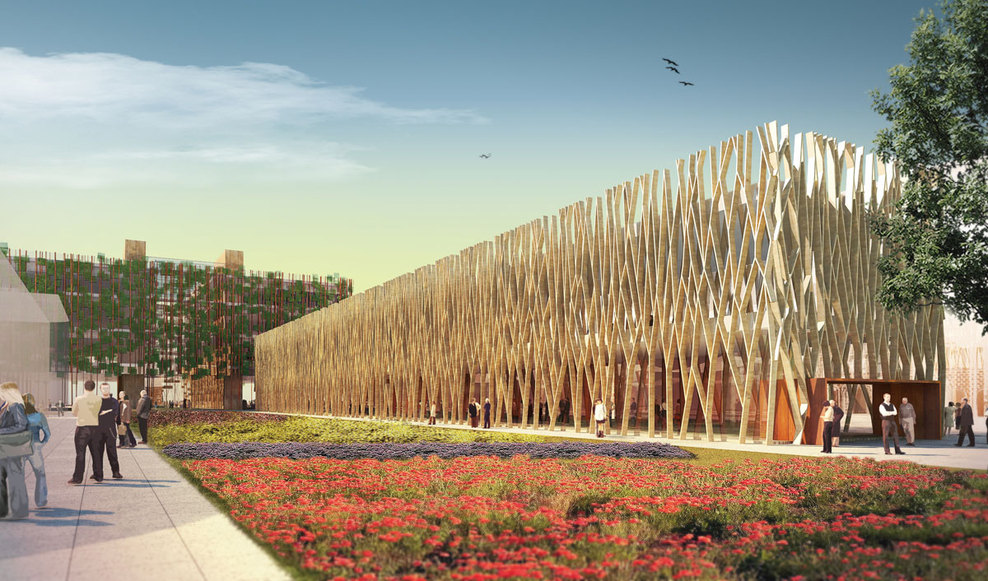
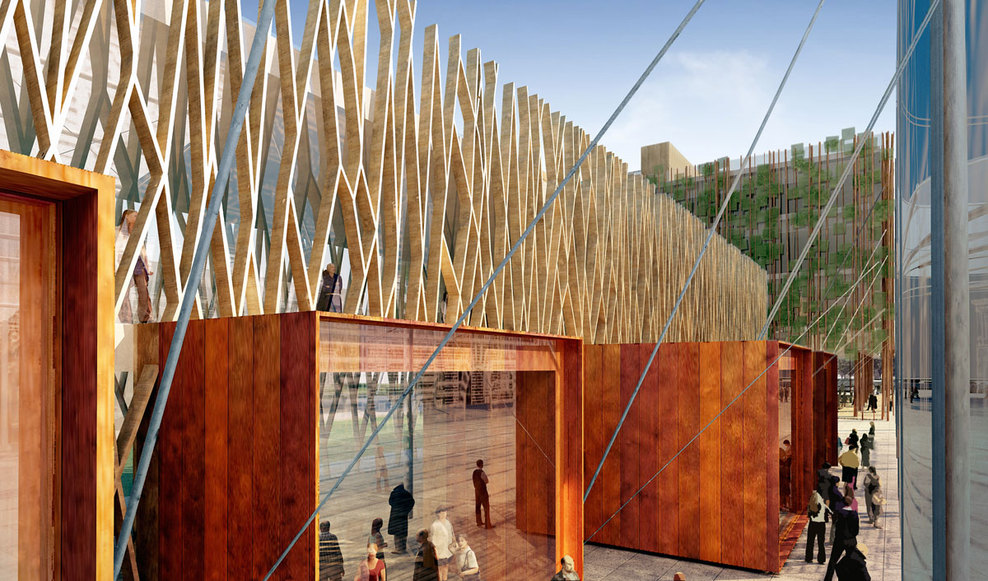
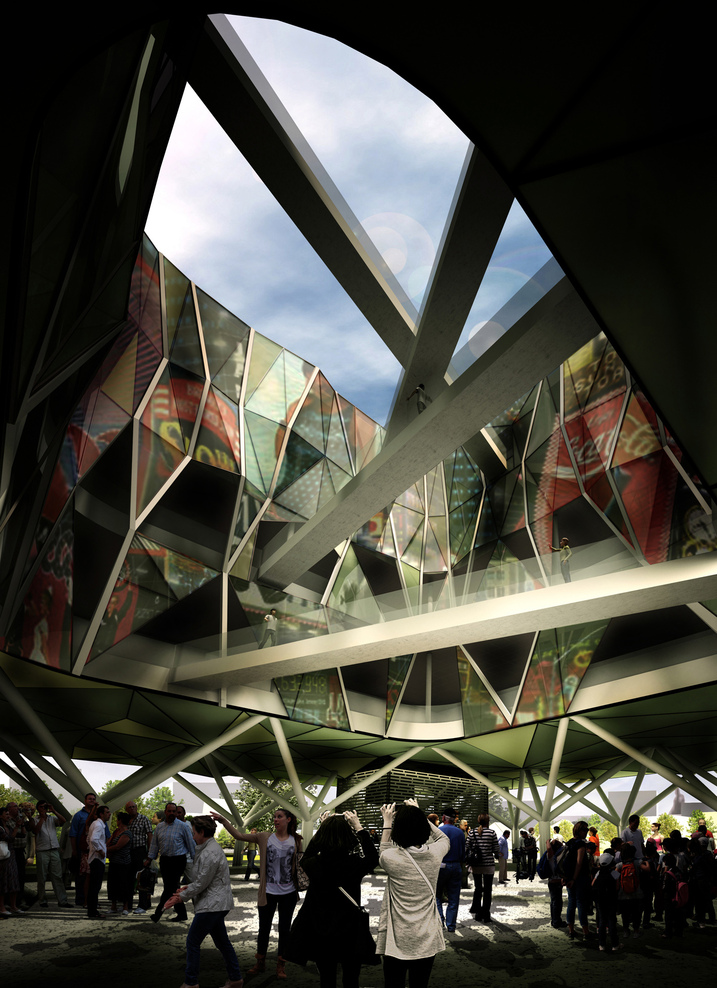
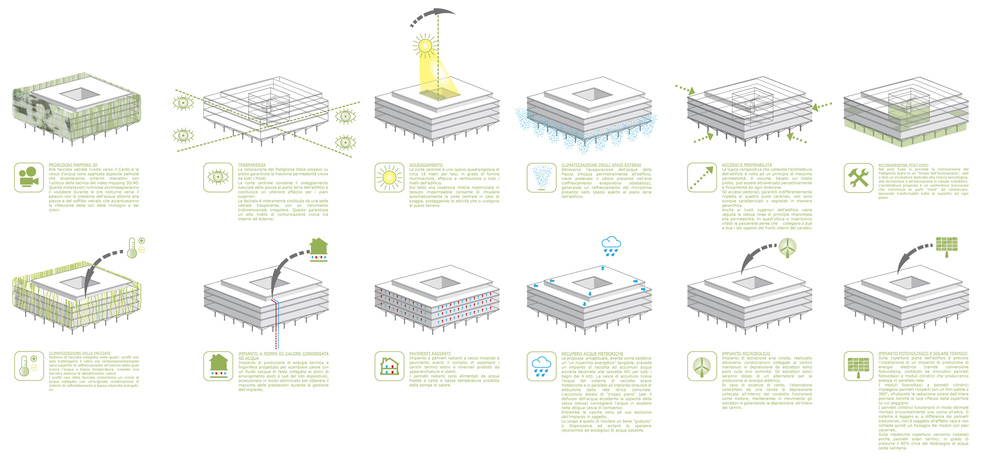
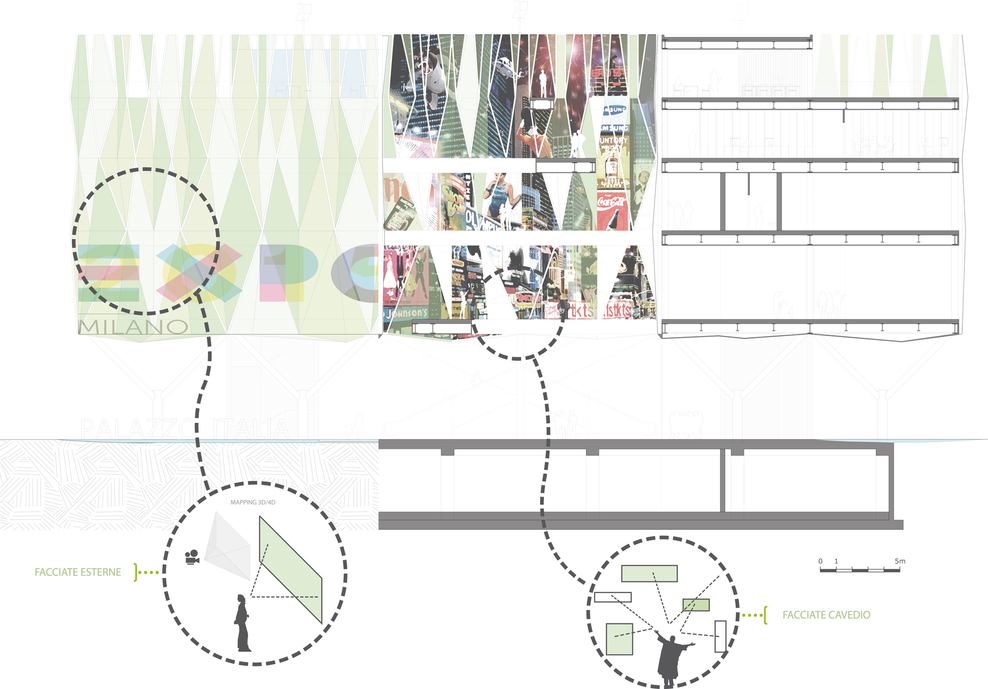
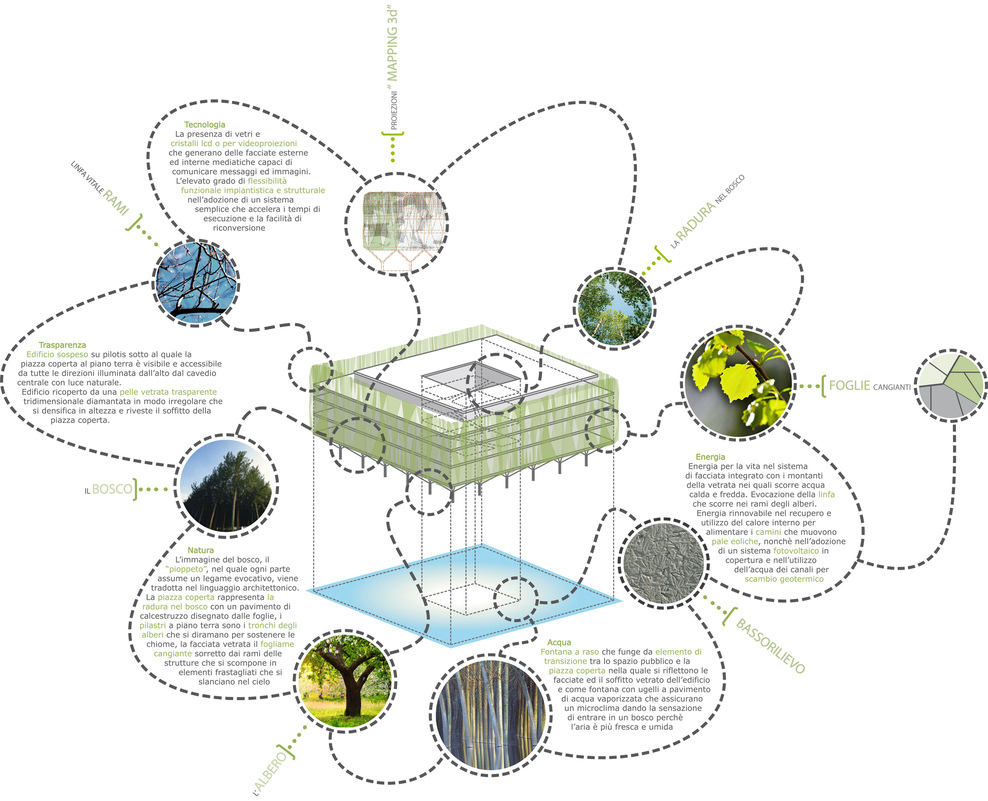
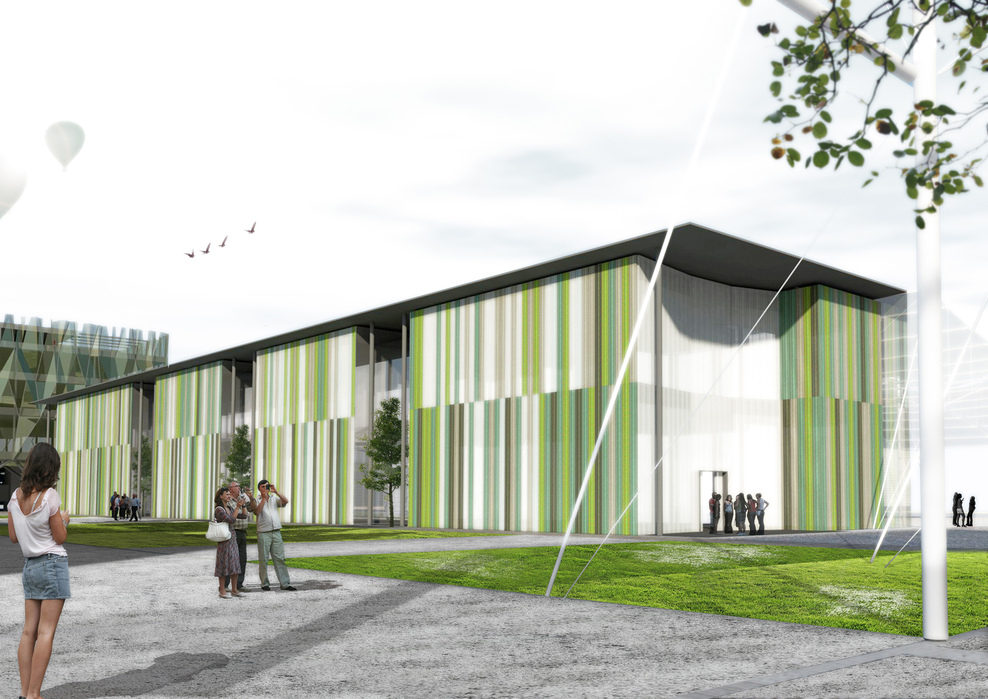
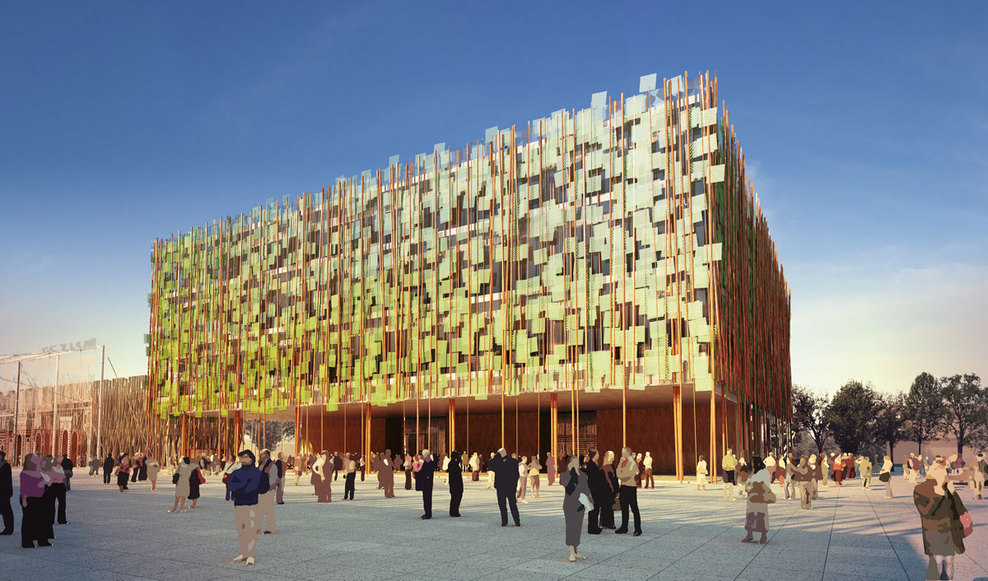
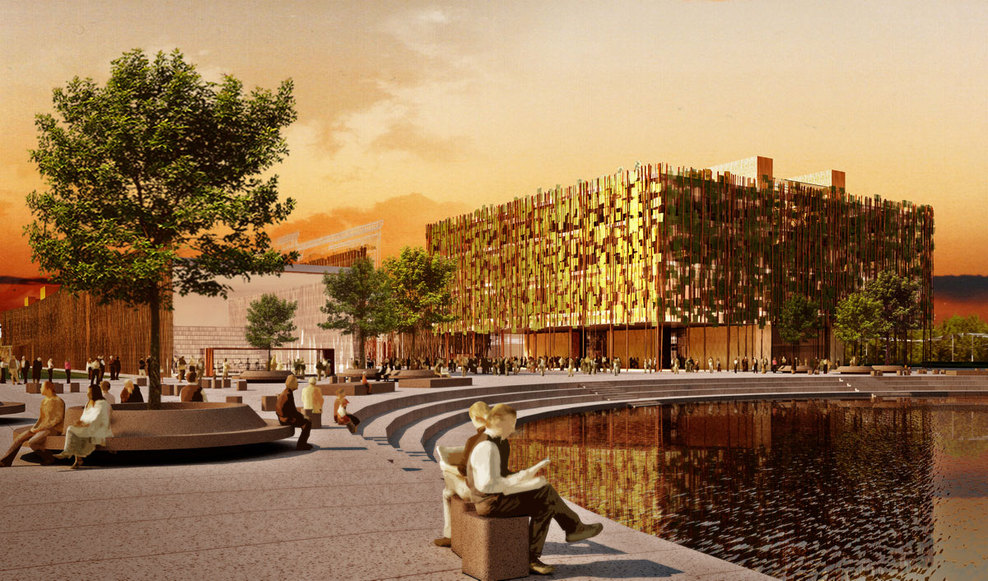
Quanto al progetto vincitore, si può sbirciare qualche render e leggere un po’ di opinioni qui, qui e qui. Le parole che vengono utilizzate per descriverlo sono efficienza, ambizione, indipendenza energetica. Esteticamente, è un lavoro difficile da giudicare, con il poco materiale a disposizione: sei piani di altezza per 12.800 mq con spazi espositivi, piazza coperta, uffici, sale conferenze e riunioni, bar e un ristorante panoramico. Non è ben chiaro in cosa consista il panorama, considerato che il sito dell’expo è, immancabilmente, la ridente cittadina di Rho.

Summertime

Rainer Maria Rilke’s Letters to a Young Architect

Same poet, different book. Rilke, the Bohemian poet and playwright, already made an appearance in the original list, so I’m well aware that bringing him back on day two of a sequel about not repeating myself is a strange way to start. But the Duino

Read More »
books and literature

The Thursday Murder Club

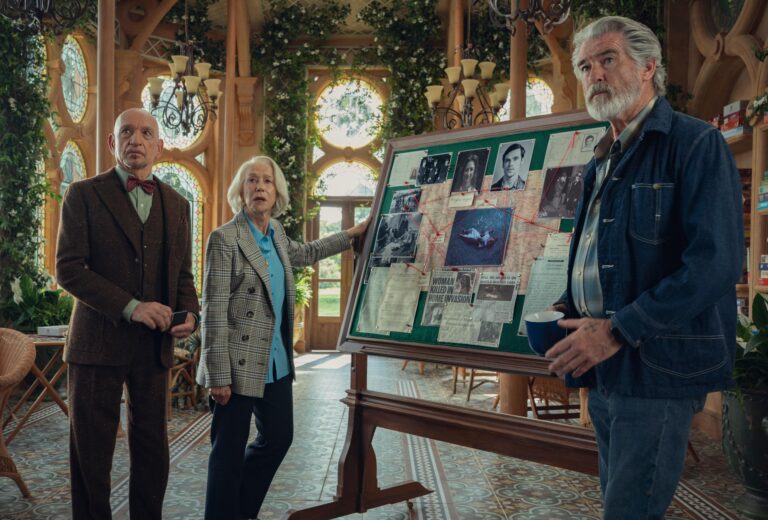
I wanted to read this series after seeing the delightful movie on Netflix, which would have been worth it if only for the stellar cast. After I started, I couldn’t possibly stop. I think I read the whole thing in a month. Here’s what I

Read More »
architecture, engineering and construction

Summertime (though the living ain’t easy)

There is a particular kind of August laziness that likes to dress itself up as a fashionable pose: you can’t undertake significant projects in August, you’re not supposed to, apparently, you aren’t even supposed to read anything that’s too complicated (though I wonder, if you

Read More »
Share on LinkedIn
Throw on Reddit
Roll on Tumblr
Mail it
No Comments

Post A Comment

This site uses Akismet to reduce spam. Learn how your comment data is processed.

RELATED POSTS

Rainer Maria Rilke’s Letters to a Young Architect

Same poet, different book. Rilke, the Bohemian poet and playwright, already made an appearance in the original list, so I’m well aware that bringing him back on day two of a sequel about not repeating myself is a strange way to start. But the Duino

Read More

The Thursday Murder Club

I wanted to read this series after seeing the delightful movie on Netflix, which would have been worth it if only for the stellar cast. After I started, I couldn’t possibly stop. I think I read the whole thing in a month. Here’s what I

Read More

Summertime (though the living ain’t easy)

There is a particular kind of August laziness that likes to dress itself up as a fashionable pose: you can’t undertake significant projects in August, you’re not supposed to, apparently, you aren’t even supposed to read anything that’s too complicated (though I wonder, if you

Read More