"All this he saw, for one moment breathless and intense, vivid on the morning sky; and still, as he looked, he lived; and still, as he lived, he wondered."

#BIMpill – Incremental Development

Spesso quando si parla di Agile e Sviluppo Incrementale l’industria delle costruzioni risponde con sospetto: i nostri progetti sono troppo grossi, troppo complessi, troppo progettosi per queste tecniche sperimentali.

In queste circostanze è bene ricordare come lo Sviluppo Incrementale, e altre tecniche affini, venga sviluppato in Nasa e poi portato in contesti come quello di IBM e Motorola. Gerald M. Weinberg, antropologo e sviluppatore, ce lo racconta in questa testimonianza dove fa risalire addirittura al 1957 l’anno in cui, ritrovandosi in IBM sotto a Bernie Dimsdale, si trovava già a lavorare con naturalezza in sviluppo incrementale. Bernie Dimsdale aveva lavorato con John von Neumann, il famoso matematico e ingegnere ungherese che lavorò al Progetto Manhattan.
E se è buono per farci le bombe atomiche, forse forse ci si possono fare anche gli edifici.

«We were doing incremental development as early as 1957 in Los Angeles, under the direction of Bernie Dimsdale at IBM’s Service Bureau Corporation. He was a colleague of John von Neumann, so perhaps he learned it there, or assumed it as totally natural. I do remember Herb Jacobs (primarily, though we all participated) developing a large simulation for Motorola, where the technique used was, as far as I can tell … All of us, as far as I can remember, thought waterfalling of a huge project was rather stupid, or at least ignorant of the realities. I think what the waterfall description did for us was make us realize that we were doing something else, something unnamed except for ‘software development’».

(Gerald M. Weinberg)

Un approfondimento sulla storia può essere trovato qui.

Compagno dello sviluppo incrementale è il concetto di Extreme Programming, anch’esso nato in Nasa ed estremamente rilevante nel nostro contesto, ma a questo magari dedicheremo un’altra pillola.

architecture, engineering and construction

ISO/DIS 19650-1:2026 — Back to the Future

Well, the new draft of the ISO 19650 has been out for public consultation for a week, now, and I have the feeling nobody’s actually consulting the thing, because the heat of the debate has been around the “disappearance of BIM”. I already wrote about

Read More »
art and fashion

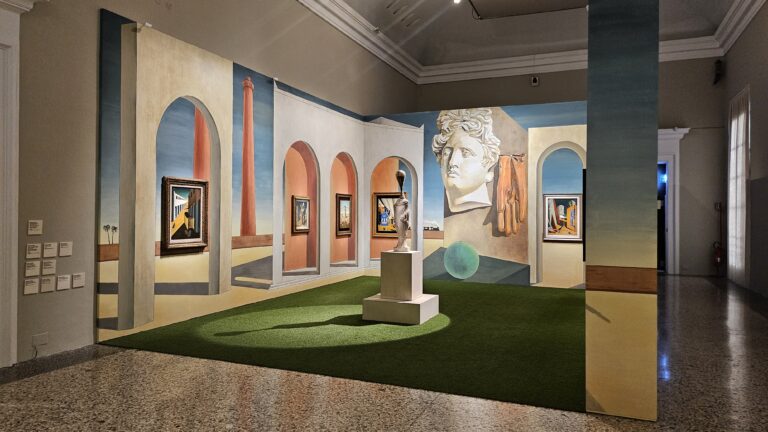
Metafisica / Metafisiche

What a splendid exhibition! I was expecting your regular, run-of-the-mill show at Palazzo Reale, which is usually good enough, but I was surprised at the depth and width of this new endeavour, that spans across the city with multiple initiatives and, even within the show

Read More »
books and literature

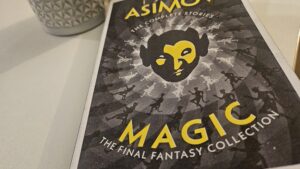
Isaac Asimov’s “Fantasy” collection

I take issue with this volume, and not because they’re short stories and you’re bound to like some more than the others: they’re all delightful, with very few and negligible exceptions. No, my problem is curatorial: I take issue that instead of grouping all the

Read More »
Share on LinkedIn
Throw on Reddit
Roll on Tumblr
Mail it
No Comments

Post A Comment

This site uses Akismet to reduce spam. Learn how your comment data is processed.

RELATED POSTS

ISO/DIS 19650-1:2026 — Back to the Future

Well, the new draft of the ISO 19650 has been out for public consultation for a week, now, and I have the feeling nobody’s actually consulting the thing, because the heat of the debate has been around the “disappearance of BIM”. I already wrote about

Read More

Metafisica / Metafisiche

What a splendid exhibition! I was expecting your regular, run-of-the-mill show at Palazzo Reale, which is usually good enough, but I was surprised at the depth and width of this new endeavour, that spans across the city with multiple initiatives and, even within the show

Read More

Isaac Asimov’s “Fantasy” collection

I take issue with this volume, and not because they’re short stories and you’re bound to like some more than the others: they’re all delightful, with very few and negligible exceptions. No, my problem is curatorial: I take issue that instead of grouping all the

Read More