
1. Leadership Beyond Titles
1.1 Why leadership in BIM coordination is more about behaviour than authority
In the world of digital construction, the title BIM Coordinator suggests responsibility, but not necessarily authority. Unlike traditional hierarchical roles, coordination is rarely about giving orders and more often about influencing workflows, aligning different professional languages, and creating a shared rhythm among architects, engineers, and contractors.
This is where leadership transcends job descriptions. A coordinator cannot rely solely on positional power because having power doesn’t necessarily translate in people following instructions and because sadly — in many, many cases — BIM coordinators are granted no power. Instead, they must lead through behaviour: through the consistency of their methods, the clarity of their communication, and the way they embody the processes they expect others to follow. In practice, it means demonstrating — not dictating — how information should be structured, shared, and maintained. Which is easier said than done.
That’s why this week I thought I’d delve into the concept of leadership, with a little help from a familiar concept.
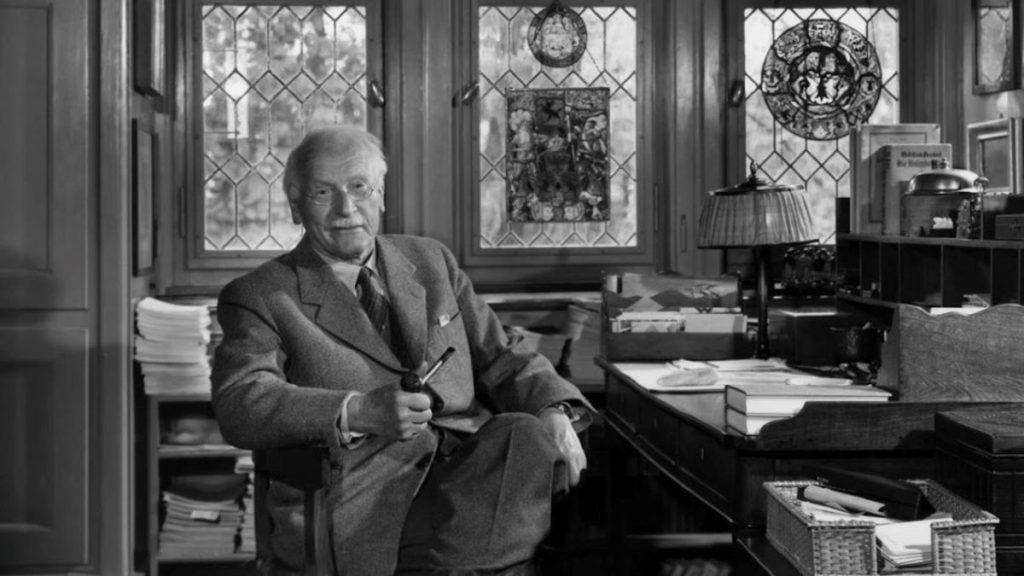
1.2 The idea of “leading by example” in information management
Information management can feel abstract, almost invisible, yet it is the backbone of a project’s success. Here, leading by example takes on a specific meaning: showing how to handle information with discipline, transparency, and care.
For instance, when a coordinator consistently uploads models to the CDE using the agreed protocols or carefully documents clash resolutions without shortcuts, the message should be stronger than any directive. It says: this is how we work, this is the standard, and this is how I hold myself accountable before asking the same of you.
In this sense, leadership is not exercised through grand gestures, but through the thousand small acts of professional rigour that gradually inspire the team to mirror those habits.
But does it work?
1.3 Introducing the Jungian lens to leadership archetypes
To unpack the subtleties of this type of leadership, the so-called Jungian archetypes provide a useful lens. Archetypes represent universal patterns of behaviour and attitudes that emerge across cultures and professions. When applied to leadership, they allow us to see not just what a coordinator does, but the energy behind their actions.
In the context of BIM coordination, three archetypal postures often emerge: the Caregiver, who instinctively comforts and rescues the team; the Ruler, who imposes standards and demands compliance; and the Everyman, who simply does the work with integrity and lets that example set the tone.
Each archetype carries both light and shadow. The Caregiver offers empathy but risks infantilising the team. The Ruler ensures order but suffocates creativity. The Everyman might inspire trust, but risks being misunderstood as weak. The challenge of leadership is not choosing one archetype forever, but moving consciously between them as the project — and the people — require.
2. Archetypes of Leadership in the BIM Context
2.1 A brief overview of Jungian archetypes as applied to workplace dynamics
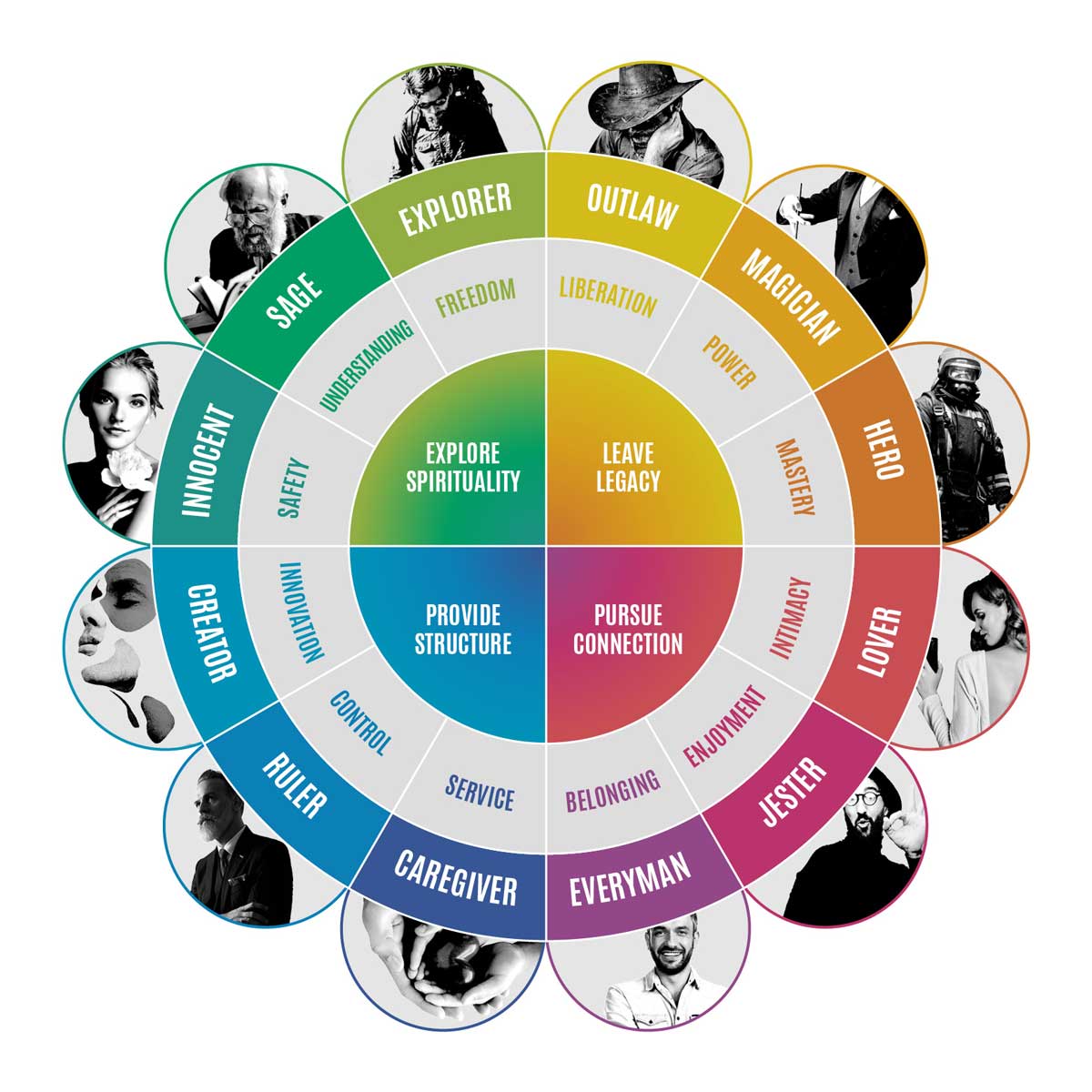
Carl Gustav Jung introduced the concept of archetypes as universal patterns of behaviour, deeply rooted in the collective unconscious. These archetypes appear in myths, literature, art, and psychology, shaping how humans understand themselves and others: he mentioned figures like the Persona, our public face; the Shadow, our rejected darker self; the Anima/Animus, the unconscious feminine in men and masculine in women because he was binary as fuck; and the Self, representing wholeness and unity. Over time, practitioners have adapted Jung’s archetypes to different contexts — from marketing to organisational culture — and the system of twelve figures was created. In the workplace, archetypes act as shorthand for recurring patterns of leadership, motivation, and team interaction. They provide a symbolic language for describing the energy that leaders embody, whether consciously or unconsciously.
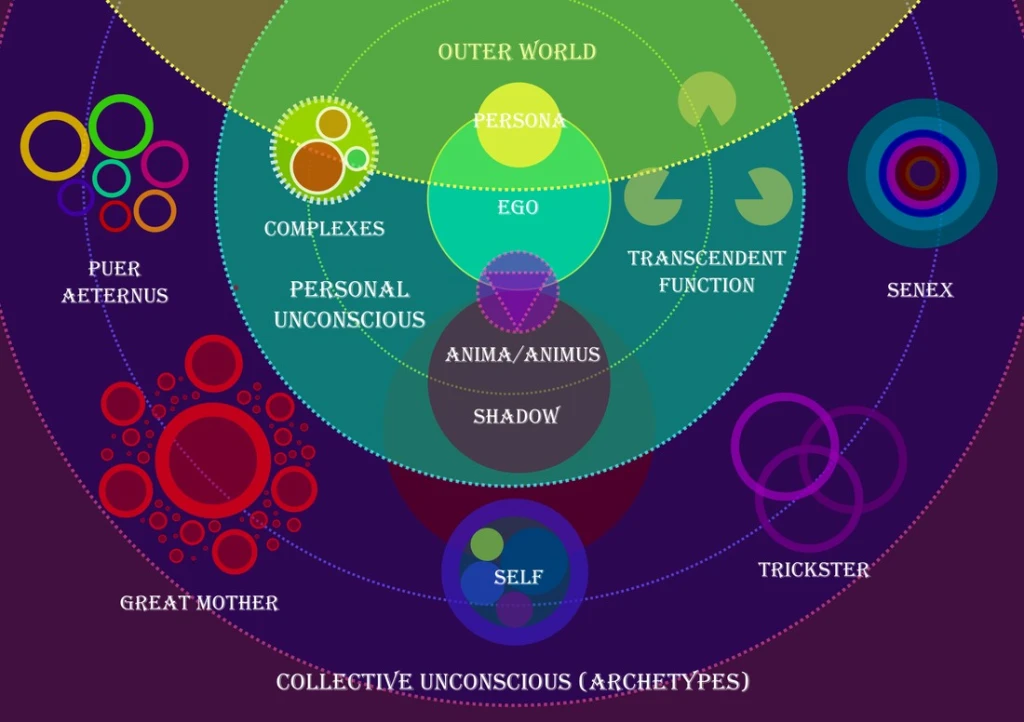
In leadership, the twelve archetypes can be grouped into four overarching motivators: Provide Structure, Pursue Connection, Explore Spirituality, and Leave a Legacy. Each motivator contains three archetypes that represent different approaches to achieving the same underlying human drive. For instance, the Caregiver, Ruler, and Creator all belong to the “Provide Structure” group, but they do so in distinct ways: the Caregiver offers service, the Ruler imposes order, and the Creator innovates to design structure.
In a professional environment like BIM coordination — where technical expertise intersects with collaborative leadership — these archetypes become visible in day-to-day actions. A Caregiver-style coordinator might prioritise emotional support, always stepping in to help colleagues upload files, fix model issues, or reformat data so no one feels left behind. A Ruler-style coordinator might insist on rigorous adherence to naming conventions, CDE workflows, and strict meeting protocols, ensuring order but also risking rigidity. Meanwhile, a Sage- or Creator-style coordinator might lead simply by showing the “right way” to manage data, quietly modelling best practices without ever issuing commands.
The benefit of the archetype lens is that it transcends job descriptions. A BIM Coordinator is not just a technician managing information; they are also an archetypal presence within the project team. Their way of leading — whether through compassion, authority, or example — shapes the team’s culture. By identifying which archetype is at play, we gain a richer understanding of how leadership is expressed and why teams respond the way they do.
In practice, leaders rarely embody one archetype exclusively. A BIM Coordinator may oscillate between Caregiver and Ruler depending on the pressure of deadlines, or between Creator and Sage depending on whether they are building workflows or mentoring younger professionals. What matters is not choosing the “right” archetype, but recognising the archetypal energies at play, and learning to move among them consciously.

Seen this way, archetypes in the workplace are not labels but mirrors: they reveal not only how others perceive us but also how we project ourselves. They give leaders the vocabulary to reflect on their instinctive behaviours and, crucially, to expand their repertoire. A leader aware of their archetype can avoid falling into its shadow side and instead draw upon its strengths in the right situation.
2.2 Why archetypes matter for understanding leadership patterns
At first glance, archetypes might seem like abstract psychological concepts with little relevance to the hard realities of project coordination. After all, a BIM Coordinator’s responsibilities — ensuring models align, resolving clashes, maintaining data integrity — are technical and procedural. But leadership in digital construction is never just about processes. It is about people: their motivations, their resistance, their habits, and their willingness to collaborate. Archetypes matter because they illuminate the hidden dynamics of these human interactions.
Also, leadership patterns are rarely rational. A coordinator may believe they are “just enforcing standards,” yet the team experiences them as an authoritarian Ruler, clamping down on creativity. Another coordinator may feel they are “just being helpful,” but the team perceives them as an overbearing figure, never letting them manage things out independently. Archetypes matter because they reveal the gap between intention and perception. They help us understand why two leaders who perform the same task — say, correcting a wrongly named file — are perceived so differently by their teams.
Archetypes also help leaders identify blind spots. The shadow side of each archetype, if unexamined, can undermine effectiveness. For example:
- the Caregiver can become a martyr, endlessly sacrificing their own time to fix others’ mistakes, thereby creating dependency;
- the Ruler can become a tyrant, valuing control over collaboration, driving compliance, but stifling initiative;
- the Sage can become aloof, retreating into theory and reflection, disconnected from the team’s immediate struggles;
- the Creator can become obsessive, endlessly refining systems but never finalising them, overwhelming the team with change.
By recognising these tendencies, leaders can temper their shadow impulses. A Caregiver can learn to step back and allow others to struggle productively. A Ruler can invite feedback before imposing standards. A Sage can balance reflection with action. A Creator can prioritise stability over endless innovation. In short, archetypes offer a diagnostic tool for growth.

Moreover, archetypes provide a shared language for discussing leadership within teams. When a team member says, “You’re coming across a bit like a Ruler here,” it shifts the conversation from personal critique to archetypal observation. It depersonalises conflict, making it easier to talk about behaviours without assigning blame. This is invaluable in BIM environments, where multidisciplinary teams often clash over priorities, methods, and tools.
Finally, archetypes matter because they inspire balance. A truly effective leader is not trapped in one archetype but is agile enough to embody different ones as the situation demands. Deadlines may require the decisiveness of the Ruler, onboarding new team members may require the warmth of the Caregiver, and long-term digital strategies may require the wisdom of the Sage or the vision of the Creator. The ability to shift archetypes consciously allows leaders to remain both effective and authentic.
2.3 The tension between projection, role, and authenticity
Every leader operates within a triangle of forces: projection, role, and authenticity. Archetypes sit precisely at the intersection of these forces, helping us understand the tension between how we see ourselves, how others see us, and how we truly act.

Projection refers to the unconscious ways people assign archetypes to their leaders. A team member who feels insecure may project the Caregiver archetype onto the coordinator, expecting constant reassurance and support. Another team member, wary of authority, may project the Ruler archetype, perceiving every instruction as an attempt to control. Leaders cannot escape projection: it is part of the psychological contract of leadership. What they can do is become aware of it, and adjust their communication to address it without becoming trapped by it.

Role refers to the expectations attached to the position itself. A BIM Coordinator is, by definition, expected to bring order to information management, which leans naturally toward the Ruler archetype. At the same time, they are expected to support colleagues in navigating digital processes, which leans toward the Caregiver. And because they often act as translators of abstract standards into practical workflows, they also evoke the Sage or Creator. The role is thus archetypally overdetermined: no single archetype suffices to capture its essence. This creates tension when the organisational culture privileges one archetype over others, for instance, when a company rewards only authoritarian “Ruler” behaviour while penalising Caregiver empathy.

Authenticity is the leader’s personal archetypal centre of gravity, the archetype they embody most naturally. Some coordinators are natural Sages, thriving when they can explain, teach, and analyse. Others are natural Caregivers, happiest when they can assist and support. Still others find comfort in the Ruler’s order or the Creator’s innovation. Authenticity matters because leadership that is purely role-driven or projection-driven eventually becomes exhausting. If a natural Caregiver is forced to play the Ruler indefinitely, burnout is inevitable.

The art of leadership, then, is navigating the tension between these three forces. The most effective leaders are those who recognise their authentic archetype, remain conscious of the role’s archetypal demands, and manage the projections cast upon them by others. They neither abandon their authenticity nor become prisoners of role or projection. Instead, they move fluidly among archetypes, without losing their core identity.
For BIM coordinators, this might mean recognising that while their authentic tendency is to act as a Sage — explaining standards and showing best practices — they must occasionally embody the Ruler to enforce compliance, or the Caregiver to support a junior colleague through their first CDE upload. The key is doing so consciously, not reactively.
This tension is not a flaw to be resolved, but a reality to be embraced. By understanding archetypes, leaders can transform the triangle of projection, role, and authenticity into a dynamic balance rather than a trap. They can embrace the complexity of leadership without being overwhelmed by it, and in doing so, lead not just with authority or empathy, but with presence and awareness.
Let’s tackle some of the most common, and let me know if you can see yourselves in these.
3. The Caregiver: the Comforter and Rescuer
Within this framework, the Caregiver embodies the instinct to serve, protect, and comfort. In leadership terms, this is the figure who notices discomfort early and steps in before problems escalate. The Nurse archetype is deeply empathetic and attentive, ensuring no one feels abandoned. In project settings, this leader creates psychological safety: team members know they will not be left alone with insurmountable problems.
In BIM coordination, this supportive energy often manifests as the coordinator who is always available to answer questions, resolve technical issues, or guide others through software intricacies. They anticipate errors before they occur, often intervening quickly when a file is misnamed, a model is misaligned, or a protocol is misunderstood. This “safety net” leadership builds trust; colleagues feel reassured that someone will catch mistakes before they cause real damage.
The value of the Caregiver’s leadership lies in its capacity to build cohesion. Projects can be stressful, deadlines relentless, and technology intimidating. A coordinator who embodies the archetype communicates, implicitly: I am here with you. You are not alone. This fosters loyalty and reduces fear, encouraging people to participate more openly in digital workflows. For young professionals, especially, such nurturing leadership can make the difference between early disengagement and growing confidence.
3.1. Risks: creating dependency and limiting growth
Yet, as with all archetypes, the Caregiver has a shadow side. What begins as nurturing can tip into overprotection. By stepping in too often, the leader risks depriving others of the chance to learn through struggle. The paradox of the Caregiver is that their desire to shield the team from pain can inadvertently stunt the team’s growth.
Dependency is the central risk. Suppose team members come to rely on the coordinator to solve every naming error, to validate every model upload, or to troubleshoot every clash. In that case, they may never develop the resilience or autonomy needed for long-term success. The leader becomes indispensable, but at a cost: the team does not mature. In fact, the coordinator may begin to feel drained, constantly firefighting minor issues instead of focusing on higher-level strategic work.
This shadow dynamic can also breed subtle resentment. While some team members appreciate constant support, others may feel infantilised, as though they are never trusted to handle challenges themselves. Ironically, the very archetype that begins with empathy may result in disempowerment, with professionals doubting their own competence because the leader never allows them to test it.
At a systemic level, over-caregiving undermines scalability. Digital construction projects often involve dozens of stakeholders. A coordinator who tries to personally support everyone cannot sustain their energy across the entire lifecycle of the project. Burnout becomes a real risk, as the leader shoulders the weight of everyone’s mistakes. What looks like kindness in the short term becomes unsustainable in the long term.

3.2. In BIM coordination: when “over-helping” blocks resilience
In the specific context of BIM coordination, the Cargiver archetype is highly visible in moments where processes are complex, and the temptation to step in is strong. For instance, when a junior team member struggles with naming conventions in the Common Data Environment, the Caregiver coordinator might quickly rename the file themselves rather than letting the colleague attempt it again. While this avoids delays, it also prevents the junior from internalising the lesson.
Another example occurs in clash detection meetings. A coordinator driven by the Caregiver archetype may feel compelled to pre-resolve conflicts for team members, preparing detailed correction paths instead of facilitating discussion. While this ensures quick resolutions, it removes the opportunity for designers and engineers to practice collaborative problem-solving. Over time, the team begins to expect ready-made answers rather than engaging critically with issues.
The same dynamic can be seen in documentation. A coordinator may habitually re-edit every submission for consistency, effectively acting as a quality-control buffer. This guarantees polished outputs but discourages accountability. Colleagues know that “the coordinator will fix it,” so they invest less effort into precision themselves.

The consequence of these patterns is subtle but profound: it blocks the capacity to face complexity, adapt processes, and recover from mistakes without external rescue. A coordinator who over-helps unintentionally conditions the team to depend on intervention rather than develop adaptive strength.
This does not mean that the Caregiver archetype is inappropriate for BIM coordination: far from it. The ability to notice when someone is drowning in complexity, and to step in with empathy, is a powerful leadership quality. The challenge lies in discernment: knowing when to help and when to hold back. A wise Caregiver leader resists the impulse to rescue immediately, allowing team members to wrestle with difficulties long enough to grow from them. They offer support not by solving every problem, but by creating safe conditions for others to solve their own.
For instance, instead of renaming a file for a colleague, the coordinator might point them to the protocol and walk them through the reasoning once, then deliberately step back the next time the issue arises. Instead of resolving clashes alone, they might frame guiding questions during coordination meetings, encouraging the team to propose and test their own solutions. Instead of silently re-editing documents, they might highlight recurring issues and provide constructive feedback, nudging the team toward higher standards.
In this way, the Caregiver archetype evolves from rescuer to enabler. The coordinator still provides psychological safety but channels it into empowerment rather than dependency. Team members feel supported but also trusted, developing the autonomy necessary for sustainable project delivery.
Ultimately, the lesson of the Caregiver in BIM coordination is that care must be balanced with restraint. Protecting the team from every failure may feel compassionate in the moment, but it undermines their resilience in the long run. True caregiving leadership does not eliminate failure; it creates an environment where small failures can be experienced safely, learned from, and transformed into growth.
In digital construction, where complexity and uncertainty are constant companions, such resilience is invaluable. The Caregiver coordinator who learns to let go — who helps without over-helping — gives their team the greatest gift of all: the confidence to stand on their own, even when the leader steps aside.

4. The Dictator: the Ruler Who Commands Order
The Ruler archetype represents authority, stability, and control. Its positive expression is the figure who ensures order in chaos, providing clear rules and boundaries so that collective work can flourish. In organisational settings, the Ruler is the manager who establishes systems, enforces standards, and ensures everyone follows the same playbook. They thrive on predictability and alignment, building a sense of security through structure.
At its best, this archetype is indispensable. Teams without rules quickly dissolve into inefficiency. In projects as complex as those involving Building Information Modelling, the need for order is paramount: standards around naming, versioning, and collaboration prevent confusion and rework. A BIM Coordinator embodying the Ruler archetype ensures that the Common Data Environment runs smoothly, that deadlines are respected, and that deliverables meet agreed-upon formats. The Ruler says: there is a system, and if we all respect it, the project will succeed.

But when exaggerated, the Ruler transforms into what we might call “the Dictator.” This is the authoritarian figure who not only establishes rules but enforces them rigidly, tolerating no deviation. Compliance becomes the ultimate measure of success, often at the expense of innovation, adaptability, or morale. In this shadow form, leadership becomes less about empowering the team to do great work and more about ensuring they never step outside prescribed boundaries.
The Dictator in BIM coordination is visible in the leader who polices every model upload with an iron fist, who insists on absolute conformity to protocols regardless of context, and who responds to mistakes with punitive correction rather than constructive feedback. Such leaders create order, but at a cost: they substitute fear for engagement.
4.1. Risks: fear-driven collaboration, lack of innovation
The shadow side of the Ruler archetype lies in the dynamics it generates within teams. Fear-driven collaboration may look, on the surface, like efficiency: team members comply with every directive, avoid mistakes, and produce deliverables on time. But beneath the surface, creativity and initiative wither. When people are afraid of being reprimanded for breaking the rules, they stop experimenting. They stop asking questions. They stop proposing better ways of working.
In BIM, where technology evolves rapidly and projects require constant problem-solving, this rigidity is particularly damaging. Fear-driven teams may avoid surfacing potential issues because they dread the drama that will arise. They may adhere to outdated processes because innovation feels unsafe. Instead of engaging critically with workflows, as they should, they simply follow orders, even when those orders no longer make sense. The Dictator ensures compliance but kills curiosity.
Another risk is erosion of trust. While order is initially reassuring, an overly authoritarian approach creates distance between the leader and the team: team members may start to perceive the coordinator as an enforcer rather than a collaborator and, instead of turning to the leader for guidance or dialogue, they hide their struggles, fearing judgment. Over time, this weakens communication, ironically creating the very errors and misalignments the Dictator sought to eliminate.
The Dictator also risks undermining adaptability. In highly structured environments where every step is dictated, teams lose the ability to self-regulate. They become accustomed to waiting for instructions rather than taking initiative. When the coordinator is absent, progress stalls. A culture of dependence emerges, not unlike the shadow of the Caregiver, but rooted in obedience rather than comfort.
Finally, there is a strategic cost. Innovation in digital construction requires flexibility: the ability to adopt new tools, rethink workflows, and test alternative solutions. An authoritarian Ruler archetype discourages experimentation, meaning the team may deliver short-term consistency but fall behind in adapting to industry changes.

4.2. In BIM coordination: when rigid structures stifle adaptability
BIM coordination is, by its very nature, a balancing act between standardisation and flexibility. Standards are non-negotiable: without agreed naming conventions, classification systems, and exchange protocols, projects descend into confusion. At the same time, projects are dynamic, with unique challenges that often demand creative adaptation. The danger of the Dictator is that it leans too heavily on rigidity, suffocating the adaptability essential to project success.
For example, consider file naming. A Ruler-oriented BIM Coordinator may insist that every single file strictly adhere to naming protocols. This ensures clarity, but in the heat of a deadline, when a partner submits a file slightly outside convention, the authoritarian leader might refuse to accept it. Instead of seeking a pragmatic solution — logging the exception, updating the file later — they halt the workflow. The process remains pristine, but the project suffers delays.
Similarly, in clash detection meetings, a Dictator-like coordinator might dominate discussions, presenting issues and imposing solutions without allowing input. While this guarantees order, it strips the team of collaborative problem-solving: engineers and designers become passive participants, simply implementing commands rather than contributing insights, and the result is compliance without engagement.
Even in CDE management, the Dictator’s presence can be stifling: strict permissions, endless approval gates, and rigid workflows may reduce mistakes, but they also slow down collaboration. Teams grow frustrated, perceiving the system as a bureaucratic obstacle rather than a supportive tool. In fast-paced projects, this rigidity can become a liability, as opportunities are missed due to the slow pace of approval.
The challenge for BIM Coordinators is recognising when structure serves the project and when it begins to stifle it. Rigid adherence to standards is vital in some areas — safety-related documentation, for instance, where actual lives depend upon them — but excessive rigidity in less critical domains can hinder progress. A leader who operates solely as the Ruler archetype risks mistaking compliance for success, overlooking the deeper need for adaptability and innovation in complex environments.

The way forward is not to abandon the Ruler archetype altogether but to refine it. A healthy Ruler sets boundaries while allowing flexibility within them. They enforce standards where necessary but invite dialogue about exceptions. They use rules not as weapons but as scaffolding, supporting creativity while ensuring consistency. In BIM coordination, this might mean setting core non-negotiables (e.g., CDE upload protocols) while allowing flexibility in peripheral areas (e.g., file structuring during early iterations).
The difference between the Dictator and the wise Ruler is intent: the Dictator imposes control to maintain power; the Ruler establishes structure to enable others to succeed. In practice, this means balancing enforcement with education, compliance with collaboration, and standards with adaptability.
Ultimately, BIM coordination demands leaders who can embody the Ruler archetype without sliding into its shadow. Projects thrive not under fear-driven obedience, but under structured collaboration. When coordinators recognise that rules are tools, not ends in themselves, they transform from Dictators into wise Rulers, leaders who provide stability without suffocating growth.
5. The Creator and the Sage: Leading by Doing
Where the Caregiver comforts and the Ruler commands, the Creator and Sage archetypes lead by presence; they are not concerned with rescuing or controlling but with showing. The Creator is the innovator, shaping the world through design, imagination, and precision. The Sage is the seeker of truth, embodying wisdom, clarity, and understanding. Together, these archetypes form the essence of “leading by doing”: demonstrating best practices, embodying values, and letting actions speak louder than words.
In a workplace, this leadership style often feels quieter than the others. The Caregiver makes their presence felt by stepping in, the Ruler by enforcing rules. The Creator and Sage, by contrast, influence indirectly; they set the tone through their commitment to standards, their innovative approaches, and their thoughtful engagement with information. Rather than telling the team what to do, they model it consistently until others adopt the behaviour.
For BIM Coordinators, this archetypal approach resonates strongly. Coordination is not about grand speeches or dramatic interventions; it is about the thousands of small, disciplined actions that build trust and reliability. A coordinator who consistently structures files correctly, documents clashes clearly, and communicates transparently does not need to order compliance. Their behaviour itself becomes the instruction manual, showing the team what good looks like.
This is the essence of the Creator and Sage in leadership: they invite imitation rather than obedience. They inspire not by demanding, but by embodying.
4.1. Strengths: authenticity, quiet authority, self-discipline
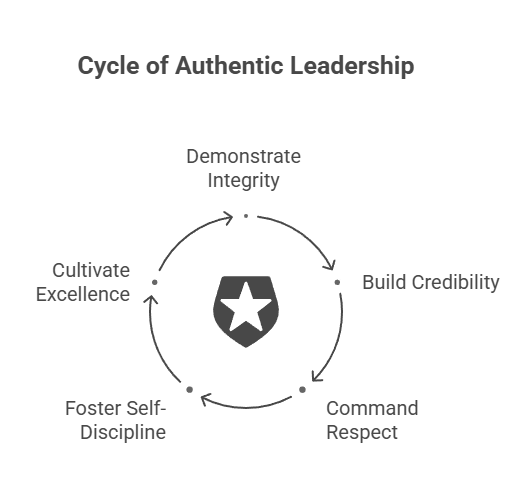
The strength of leading through the Creator and Sage archetypes lies in their authenticity. There is no pretence here, no reliance on positional authority. Influence flows from integrity: the leader does what they expect others to do, and in doing so, proves the standard achievable. Authenticity, in turn, builds credibility; the team trusts the coordinator not because they hold a title but because they embody consistency.
Another strength is quiet authority. Where the Ruler relies on fear and the Caregiver on comfort, the Creator and the Sage command respect through mastery. They do not need to shout, because their excellence speaks for them. When a coordinator can demonstrate a flawless workflow or explain the rationale behind a protocol with clarity and insight, the team naturally looks to them as a guide. Authority here is not imposed; it is recognised.
Perhaps the greatest strength of these archetypal modes is self-discipline: both the Creator and the Sage hold themselves accountable first. They do not ask of others what they cannot deliver themselves. In BIM coordination, this self-discipline is critical: maintaining rigorous documentation, applying standards consistently, and resisting shortcuts even under deadline pressure. This consistency sends a powerful message: the standard is not negotiable because I, too, hold myself to it.
When embodied well, this leadership fosters a culture of excellence. Teams begin to absorb the standards almost unconsciously, imitating the behaviours they see modelled daily. Excellence becomes contagious.
4.2. In BIM coordination: how excellence in managing information becomes contagious
BIM coordination is fundamentally about information management, making sure the right people have the right information, in the right format, at the right time. It is a discipline that depends less on charisma or authority than on rigour and consistency. This makes it fertile ground for the Creator and Sage archetypes to thrive.
Take the example of naming conventions. A coordinator might insist on proper naming through rules (Ruler archetype) or reminders (Caregiver archetype). But the Creator and the Sage model best practice. Every file they upload adheres to the convention, and every communication references it clearly. Over time, the team internalises the pattern, not because it was enforced but because it was lived.
Similarly, in clash detection, a coordinator embodying these archetypes demonstrates clarity in reporting. They don’t just highlight issues; they contextualise them, explain implications, and structure communication in ways that are easy to follow. This thoughtful approach teaches others how to communicate clearly without explicitly instructing them. The clarity is contagious: soon, engineers and designers start mirroring the format.
The same applies to CDE management. A coordinator who documents every decision carefully, who uses metadata fields correctly, and who treats the digital environment as a single source of truth establishes a norm. Others, observing the benefits of this discipline, begin to follow suit. No arguments or reprimands are necessary: the system itself becomes self-reinforcing, because excellence is modelled visibly.
In essence, this coordinator leverages the human instinct for imitation. If teams are social systems, they should absorb behaviours more effectively through observation than instruction. By embodying excellence consistently, these leaders create a culture where good practices propagate organically.

4.3. Side note: possible risks
Like all archetypes, the Creator and Sage carry risks when overemphasised or distorted. The most common risk is detachment. A Sage leader may become so focused on analysis, reflection, or knowledge-sharing that they lose touch with the team’s immediate struggles. Their clarity turns into aloofness, their authority into distance. Colleagues may respect their wisdom but feel unsupported in day-to-day pressures.
The Creator archetype carries a different shadow: perfectionism. A coordinator who constantly refines workflows, tools, or protocols may overwhelm the team with constant change. Instead of providing stability, they create fatigue, as colleagues struggle to keep up with endless adjustments. Innovation, while valuable, must be balanced with continuity.
Another subtle risk is misinterpretation. Because leading by example is quiet, some may perceive it as passive. In fast-moving projects, silence can be mistaken for disengagement. Without explicit reinforcement, team members may miss the significance of the modelled behaviour, assuming it is simply personal preference rather than a shared standard.

The key to avoiding these risks is awareness. A balanced leader ensures that their example is complemented by communication; they make explicit why they act the way they do, so the team understands that these practices are not quirks but intentional standards; they balance reflection with engagement, innovation with stability.

5. The Balancing Act: Navigating Between Archetypes
5.1. Why no single archetype is sufficient
Leadership in BIM coordination is too complex to be captured by a single archetype. The Caregiver offers empathy, but without boundaries risks dependency. The Ruler brings order, but without flexibility creates rigidity. The Creator and Sage inspire through example, but without communication risk detachment. Each archetype addresses a piece of the puzzle, but none alone can sustain the varied demands of digital construction projects. Effective leadership emerges not from allegiance to one archetypal mode, but from the ability to shift between them as situations evolve. A coordinator who clings exclusively to one archetype becomes predictable, and predictability in dynamic environments is vulnerability. The challenge — and opportunity — is integration: learning to draw on different archetypal energies consciously, so that leadership remains adaptive, responsive, and above all, authentic to both the individual leader and the needs of the team.
5.2. The dynamic interplay: when to comfort, when to set rules, when to inspire
The art of leadership lies in knowing which archetype to embody at which moment. A junior engineer paralysed by a software issue may need the Caregiver’s patient support to regain confidence. A high-stakes deadline, where errors could jeopardise delivery, may call for the Ruler’s decisiveness and strict enforcement of protocols. In quieter moments, when the team is watching how the coordinator approaches documentation or workflows, the Creator and Sage naturally emerge, inspiring others by example. This dynamic interplay is less about choosing roles in advance and more about reading the room, tuning into the team’s needs and the project’s rhythm. Flexibility does not mean inconsistency: the leader’s values remain constant, but their mode of expression shifts. Just as BIM integrates multiple disciplines into one coherent model, leadership integrates multiple archetypes into one coherent presence.
5.3. Practical examples
In clash detection, the coordinator might begin as a Ruler, insisting on a disciplined process, but then switch to Sage by facilitating collaborative dialogue, encouraging others to propose solutions. In CDE setup, the Caregiver emerges early, guiding team members through unfamiliar protocols, but once confidence builds, the Creator takes over, demonstrating elegant file structures and metadata use. In model handover, strict Ruler energy is needed to ensure deliverables meet contractual requirements, yet the Caregiver supports partners unfamiliar with standards, and the Sage communicates lessons learned for future projects. These examples show how archetypal agility directly supports project success. BIM workflows are rarely linear; they are iterative, pressured, and multidisciplinary. A leader stuck in one archetype risks failure. A leader fluent in many archetypes, by contrast, ensures not only compliance and clarity but also growth, adaptability, and lasting trust across the team.
6. From Archetypes to Authentic Leadership
6.1. Moving beyond archetypal extremes to an integrated approach
Archetypes are useful because they reveal patterns, as we have seen, but they are not meant to be cages: authentic leadership goes beyond identifying with a single archetype and instead integrates the strengths of many. A coordinator who only nurtures risks creating dependency, one who only rules risks stifling, and one who only models risks being misunderstood. By consciously blending these approaches, leaders move beyond extremes: they comfort without rescuing, enforce without dominating, and inspire without detachment. This integrated approach reflects the real demands of BIM coordination: projects require both rigour and flexibility, both empathy and authority. Integration allows leaders to remain consistent in values while being fluid in practice. The goal is not to “choose” an archetype but to develop the agility to embody whichever best serves the team and project in the moment, without losing one’s centre.
6.2. Building awareness of personal tendencies and team needs
Integration begins with awareness. Each leader has natural archetypal leanings—some default to Caregiver mode, others to Ruler, others to Sage or Creator. Recognising these tendencies is the first step. Awareness allows leaders to identify when they are falling back into comfort zones rather than responding to the situation. Equally important is awareness of team needs. A seasoned engineering team may thrive with more Sage-style guidance, while a group of junior professionals may benefit initially from Caregiver support. A high-pressure delivery may demand Ruler energy, but a collaborative design sprint may call for Creator innovation. Effective leadership requires not only self-knowledge but also attunement: the ability to read the collective atmosphere of the team and adapt accordingly. By building awareness on both sides — self and team — leaders create space for intentional, rather than automatic, archetypal responses.
6.3. How self-reflection turns archetypes into tools rather than traps
Without reflection, archetypes can easily become traps. A leader who unconsciously embodies the Ruler may default to authoritarianism; one who identifies strongly with the Caregiver may burn out from over-helping. Self-reflection transforms these patterns into tools. Reflection can be as simple as pausing after a meeting to ask: Which archetype was I embodying? Was it effective for this situation? What other approach might have served better? This conscious processing creates choice. Instead of being governed by archetypal instincts, the leader learns to wield them deliberately. Over time, reflection sharpens discernment: knowing when to intervene, when to step back, when to impose structure, and when to simply lead by example. Archetypes then cease to be unconscious drivers and instead become resources, each offering a mode of leadership that can be accessed with intention and clarity.
6.4. The invitation: becoming conscious of the archetype you embody in each situation
Authentic leadership, hence, is about becoming conscious of archetypes as they emerge. Each situation, each team dynamic, each project phase presents a stage where different archetypes may be called upon. The invitation is to notice: am I stepping into this moment as the Caregiver, the Ruler, the Sage, or the Creator? And then to ask: is this what the team truly needs now? By developing this consciousness, leaders move from instinctive reaction to intentional choice. They expand their range, becoming adaptable without losing authenticity. For BIM Coordinators, this is especially vital: the role is not fixed but fluid, shifting between technical rigour and human connection, between rules and creativity. The more conscious the leader becomes of their archetypal stance, the more effectively they can guide their teams not by force or rescue alone, but by presence, integrity, and thoughtful example.
Conclusion: what kind of leader do we need today?
The construction industry always seems to be standing at a threshold when it comes to digital transformation. On one side lies the complexity of rapidly evolving technologies, standards, and workflows; on the other lies the human reality of multidisciplinary teams, diverse skills, and competing pressures. In this landscape, the kind of leadership required is neither purely technical nor purely managerial: it is integrative, adaptive, and deeply human. The industry does not need leaders who cling to rigid superstructures but those who can move fluidly, being what the situation demands them to be without losing authenticity.
Of one thing I am certain: the industry does not need another Dictator. Ruler energy is necessary for structure — without standards and order, projects collapse into chaos — but authority rooted in fear is incompatible with the collaborative spirit BIM requires. Ruler-style leadership may deliver compliance in the short term, but it suffocates innovation, initiative, and trust. As digital construction depends on evolving methods, rigid authoritarianism is more of an obstacle than a solution.
Equally, the industry does not need leaders who remain locked in the Caregiver archetype. Empathy and support are invaluable, especially when guiding teams through the learning curves of new technologies, yet overprotection creates dependency, leaving professionals unprepared to face complexity on their own. Leaders who constantly rescue rather than enable risk burnout themselves and stagnation in their teams. Compassion is vital, but so too is the courage to let others struggle, fail, and grow.
Nor is the pure Sage or Creator, in isolation, sufficient. A leader who simply models best practice without ever articulating expectations may be admired but misunderstood. A perfectionist innovator risks overwhelming teams with constant new tools and processes, creating fatigue instead of inspiration. Quiet authority is powerful, but it must be balanced with communication, context, and dialogue.
What the digital construction industry needs today is leaders of balance. Leaders who integrate the empathy of the Caregiver, the clarity of the Ruler, and the authenticity of the Creator-Sage. Leaders who can comfort when the team feels overwhelmed, set firm boundaries when quality is at risk, and quietly inspire by embodying the rigor they ask of others. Above all, leaders who are aware of the archetypes they embody, and who choose consciously rather than react automatically.
Such leaders cultivate resilience. They create environments where people are supported but not shielded, where rules provide stability without suffocating creativity, and where excellence is modelled until it becomes cultural. They recognise that BIM coordination is not about exercising authority over people, but about enabling collaboration through clarity, discipline, and trust. In doing so, they build not just compliant teams, but adaptive ones—capable of meeting the challenges of an industry in constant flux.
The final reflection, then, is this: the leaders we need in digital construction are archetypal navigators. They are not defined by the mask they wear most often, but by their ability to shift consciously, integrating care, order, and inspiration in equal measure. Leading by example, for them, is not passive: it is the active practice of embodying the values the industry must carry forward: integrity, adaptability, and collaboration. What mask are you wearing today?






No Comments