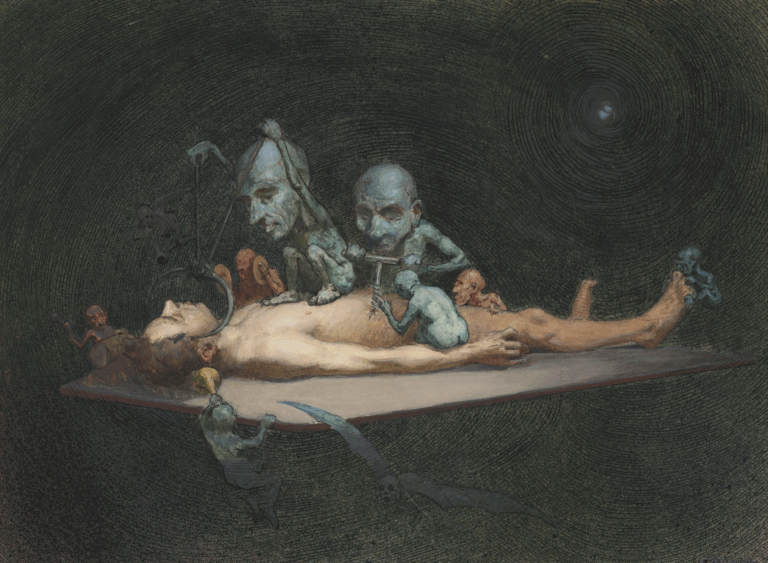
"All this he saw, for one moment breathless and intense, vivid on the morning sky; and still, as he looked, he lived; and still, as he lived, he wondered."

X-men noir

Le realtà alternative avranno anche rotto le balle, non dico di no, ma se sono ben fatte possono risultare dei divertissement assolutamente godibili. E’ il caso di X-men noir, miniserie ad opera di un Fred Van Lente cui, vedendo Marvel Zombies, non avrei decisamente dato due lire. E tuttavia avrebbe dovuto ben dispormi il fatto che, dell’intera inutile serie, Van Len è proprio l’autore di Marvel Zombies 4, probabilmente l’unico story-arc decente dell’intera epopea. Lo accompagna Dennis Calero, che già avevamo visto su X-Factor e il cui stile è a dir poco perfetto per questo tipo di storia.
Ma di che tipo di storia si tratta?
Beh, che diavolo di domande fate, lo dice il nome stesso: è un noir. Ma non una storia supereroistica a tinte noir, e qui entra in gioco ciò che distingue un’idea da una buona idea: in X-men noir, i personaggi sono quelli conosciuti eppure nessuno di loro sembra avere superpoteri. Facendo una sorta di percorso inverso rispetto alla loro creazione, tutti i loro poteri vengono spogliati della metafora e riportati nel mondo reale. E tuttavia, qui entra in gioco ciò che distingue una buona idea da un’ottima idea: la loro natura di homo sapiens sapiens o homo superior è lasciata in dubbio fino all’ultimo, viene sempre lasciata aperta la porta ad una rivelazione che, come in ogni buon noir, non arriva. Come in ogni buon noir c’è un omicidio e, come in ogni buon noir, è una storia di puro orrore. Come in ogni buon noir c’è un’indagine, ma a indagare non è la polizia e non esiste una linea tra buoni e cattivi, per il semplice fatto che non esistono buoni.
E’ estremamente divertente scorgere i personaggi attraverso i loro veri nomi e riconoscerli attraverso un aspetto dissimile ma mai troppo distante da quello cui siamo abituati. E, nonostante si tratti di una storia alternativa, si pesca a piene mani nella continuity con una Jean Grey che comunque riesce a essere Fenice, un Logan che comunque riesce a essere artigliato e un Pietro Maximoff che comunque riesce a essere veloce e coglione. Fino ad arrivare alla somma strizzata d’occhio, all’idea geniale di ripescare Thomas Halloway. E non dico altro.
Davvero godibile, una lettura consigliatissima.

books and literature

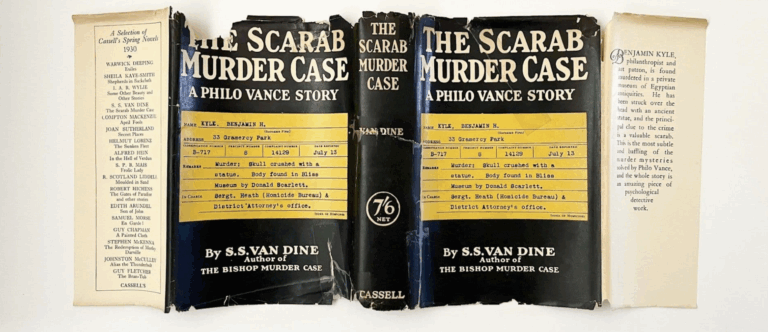
S.S. Van Dine’s The Scarab Murder

S.S. Van Dine was the pen name of Willard Huntington Wright (1888–1939), an art critic, editor, and novelist from the US who created Philo Vance, apparently one of the defining amateur detectives of the Golden Age of detective fiction. The Vance series ran to twelve

Read More »
books and literature

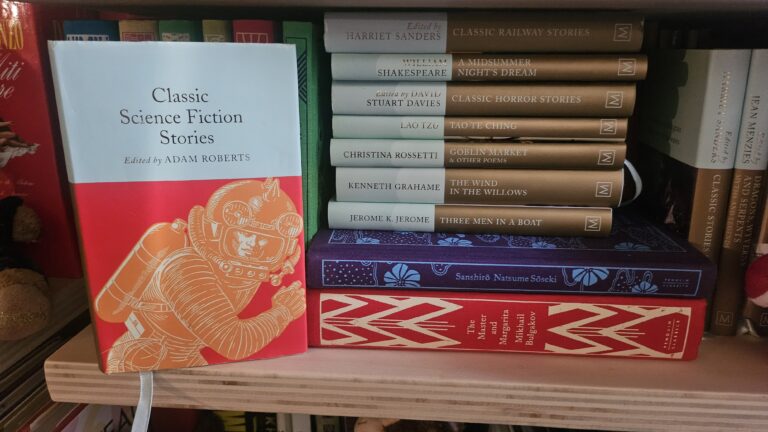
Classic Science Fiction Stories

This is the third collection I read from these charming little light-blue books with the golden pages, and they’re uneven at best. Once again, as such, I have mixed feelings about this collection and I’ll have to proceed scientifically to give a rating, so here

Read More »
architecture, engineering and construction

Artificial Integrity in the Age of Anxiety

In 1947, British-American poet W.H. Auden published The Age of Anxiety, a long poem subtitled “A Baroque Eclogue”. In a nutshell, four strangers meet in a bar on Third Avenue in Manhattan, on All Souls’ Night, so it’s even seasonal, in the middle of a

Read More »
Share on LinkedIn
Throw on Reddit
Roll on Tumblr
Mail it
No Comments

Post A Comment

This site uses Akismet to reduce spam. Learn how your comment data is processed.

RELATED POSTS

S.S. Van Dine’s The Scarab Murder

S.S. Van Dine was the pen name of Willard Huntington Wright (1888–1939), an art critic, editor, and novelist from the US who created Philo Vance, apparently one of the defining amateur detectives of the Golden Age of detective fiction. The Vance series ran to twelve

Read More

Classic Science Fiction Stories

This is the third collection I read from these charming little light-blue books with the golden pages, and they’re uneven at best. Once again, as such, I have mixed feelings about this collection and I’ll have to proceed scientifically to give a rating, so here

Read More

Artificial Integrity in the Age of Anxiety

In 1947, British-American poet W.H. Auden published The Age of Anxiety, a long poem subtitled “A Baroque Eclogue”. In a nutshell, four strangers meet in a bar on Third Avenue in Manhattan, on All Souls’ Night, so it’s even seasonal, in the middle of a

Read More