
I’m sure you’ve read enough analysis of Nolan’s Odyssey to last a lifetime, and you don’t need another European ranting that he changed stuff, so I’m not going to.
Instead, I’d like to talk about the movie in itself, as an independent work, granting the authors every right to change and adapt, because I really believe that’s not the point.
Preface: that’s how much I care
Before getting into it, I think I’d like to lay the grounds of my analysis by saying that, regardless of how much I’ll try not to tackle the differences between Nolan’s adaptation and the original corpus of texts, some key points will have to undergo such a comparison because I think it’s important to understand why the original story worked, what was changed and what consequently happens to the way the new plot wants to move forward.
Before I do that, I have to admit some points about myself. It’s only fair, since your work is always filtered through your story and I’ll grant Nolan the same courtesy.
I’m Italian, as you know, and this means I grew up with Ulysses being a childhood character next to The Wizard of Oz and Little Red Riding Hood. I had some small books featuring anything a child might find fascinating, from dinosaurs to Ancient Egypt, and the Odyssey was one of them. That’s how ingrained those stories are in our culture.
Growing up, you’ll study the Iliad and the Odyssey multiple times. If you undergo classical studies (or weirdly mixed scientific studies as I did), you’ll study it at least three times and the last one will be the most thorough, with various levels of attention to the original Greek text. You’ll study them long enough to know why Dante places Odysseus in hell alongside Diomḕdēs, and you’ll know the character deeply enough to understand why it makes sense that, after the end of the Odyssey, he won’t stay home and he’ll attempt one last, fateful expedition.
Italian songwriters wrote pieces with Ulysses as the main character (Francesco Guccini and Enrico Ruggeri, to mention just two of them). The first grand movie, with Kirk Douglas playing the hero and Anthony Quinn ans Antinoo, was Italian. The movie you’re all using as comparison, the one with Ralph Fiennes playing Ulysses, is an Italian one. And most people from a generation before mine remember the TV show with Giuseppe Ungaretti as the opening narrator.
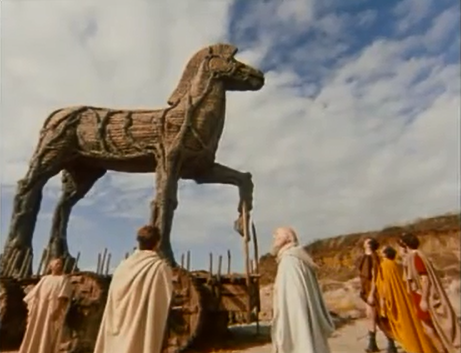
That is to say: we care. A lot.
I particularly care about the character, personally, for a variety of reasons. Long story short, I do believe travelling and exploration are a fundamental part of my being. I do believe that the pursuit of knowledge is the highest and noblest ambition a human being can nurture. And if some god doesn’t agree with that, they can go fuck themselves.
Consider this, while you read what I think of Nolan’s work.
A beautifully crafted movie for an appallingly told story
That, in a nutshell, is my opinion. But allow me to articulate it a little better. Just beware of spoilers.
Visually, the movie is stunning on many levels, with sound effects doing the heavy lifting as it often happens with Nolan: the storm scenes are stunning, the fury of the sea slamming on the fragile ship, the colours it takes (and classical studies will really help you to cheer when the sea turns the colour of wine).
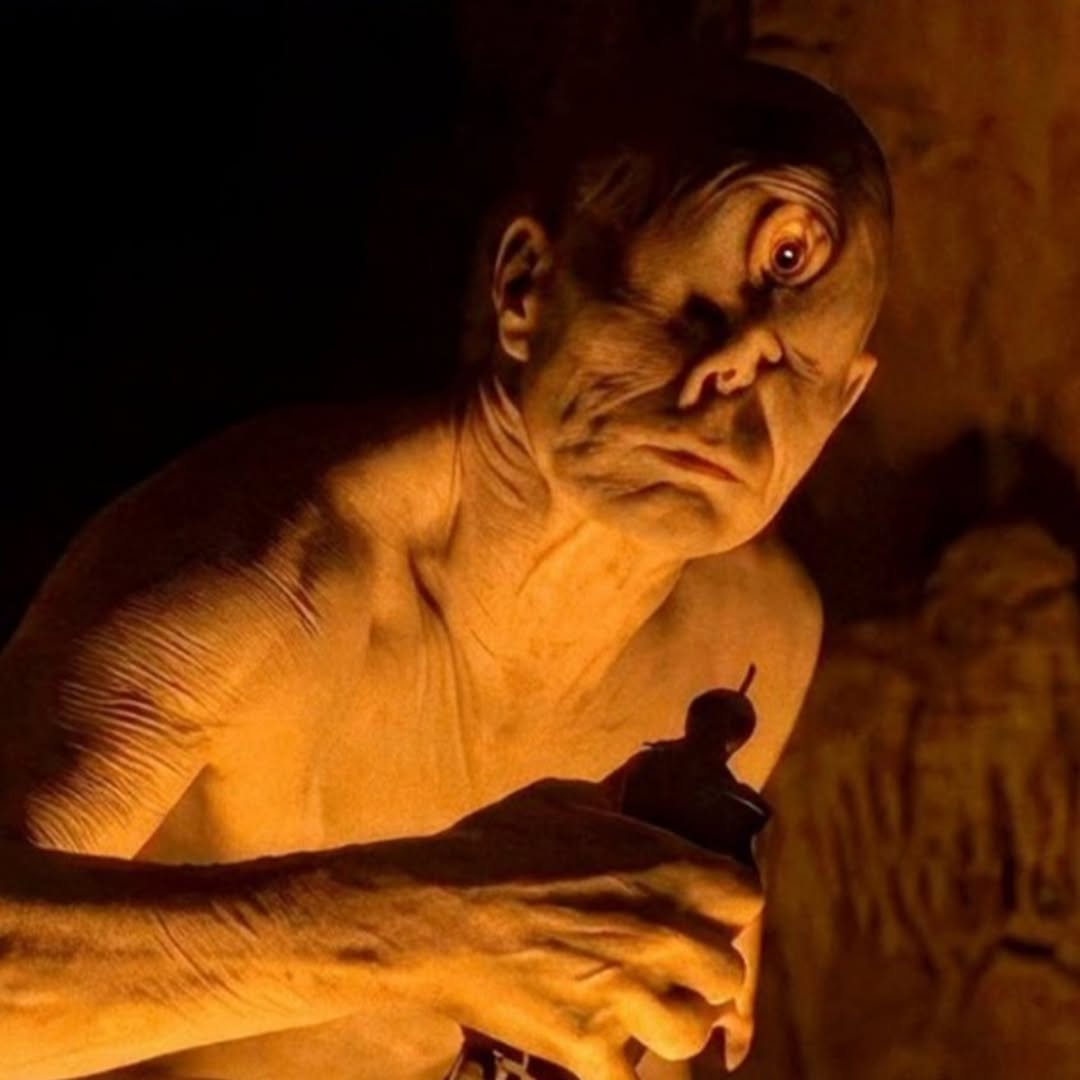
The work on some of the creatures is very interesting too, if you’re willing to let go of what’s expected. I liked Polyphemus (there, I said it) and the way they dealt with the one-eyed face, something that often turns out… well, not as terrifying as intended.
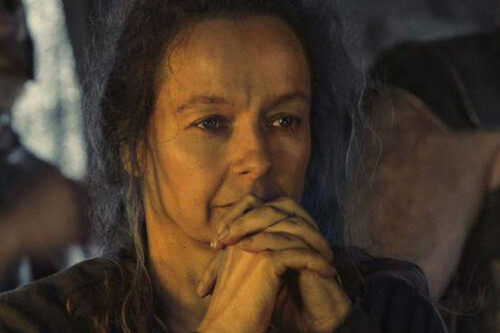
Samantha Morton’s Circe is also not what you expect (and a useful plot point to spot people who didn’t actually see the movie: they’re talking about her as a seductress), but from a visual perspective, the pig transformation is powerful and visceral and highly disturbing. Thumbs up.
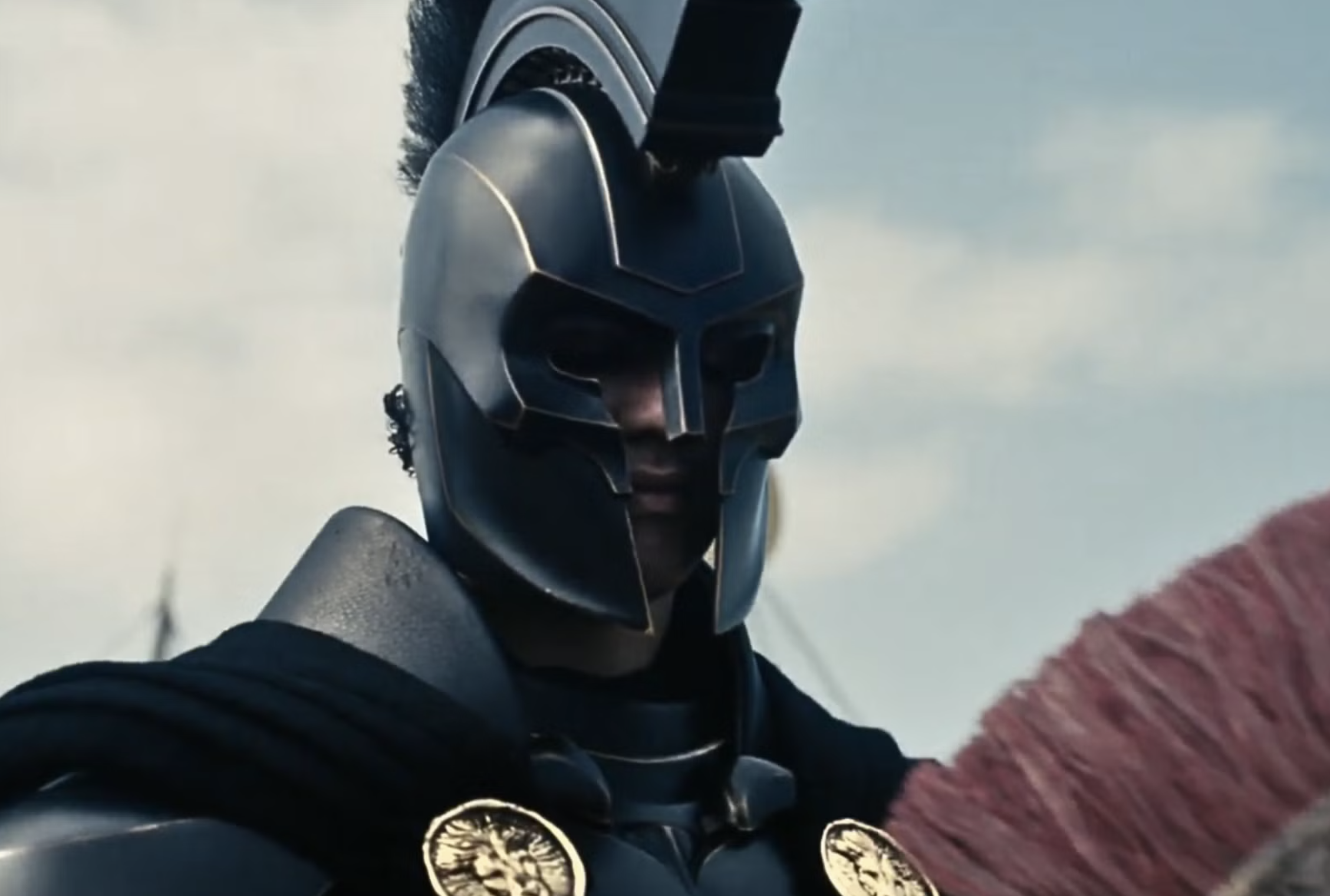
From a storytelling point of view, there are some interesting elements to consider, if you can put them in perspective of what Nolan is trying to do. Agamemnon and Athena are two of them. Yeah, you heard me right. The visually appalling and utterly ridiculous Greek leader wasn’t a bad idea to begin with. You never see his full face. You rarely hear him speak. Like in the original story, he’s a relentless force of doom who drags all his peers into an endless war, sacrifices his own daughter to gain the god’s favour (a myth even the Ancient Greeks themselves felt the need to retcon at a certain point, and they were not squeamish). The problem is that Nolan doesn’t have any European friends anymore or, if he has, he doesn’t listen to them: anyone, even his bartender, could have told him that the result of those visual choice was going to work in the opposite way and, instead of crafting a terrifying figure, he made a whole continent laugh.
The other fine point is “Athena”, and I think the quotation marks are necessary since this is a movie with no gods and there’s never a mention of Zendaya’s character actually being the goddess: we assume she is, because we know the story, but what the movie actually shows is Odysseus hallucinating a woman (and you should really stop calling her “girl:” she’s thirty years old, for fuck’s sake). By the end of the movie, we’ll understand why is he hallucinating her and specifically her, and that’s one of the narrative turning points of the whole story Nolan seems to be trying to tell.
But what is that story Nolan is trying to tell?
The Greek Dark Ages
There’s a period, after the end of the Doric civilisation and before the rise of the polis, some British scholar decided to call “the Greek Dark Ages”. Now, modern scholars won’t like you to call it that, but Nolan didn’t get the memo, because the story he’s trying to tell is deeply rooted in that concept.
Here’s the idea.
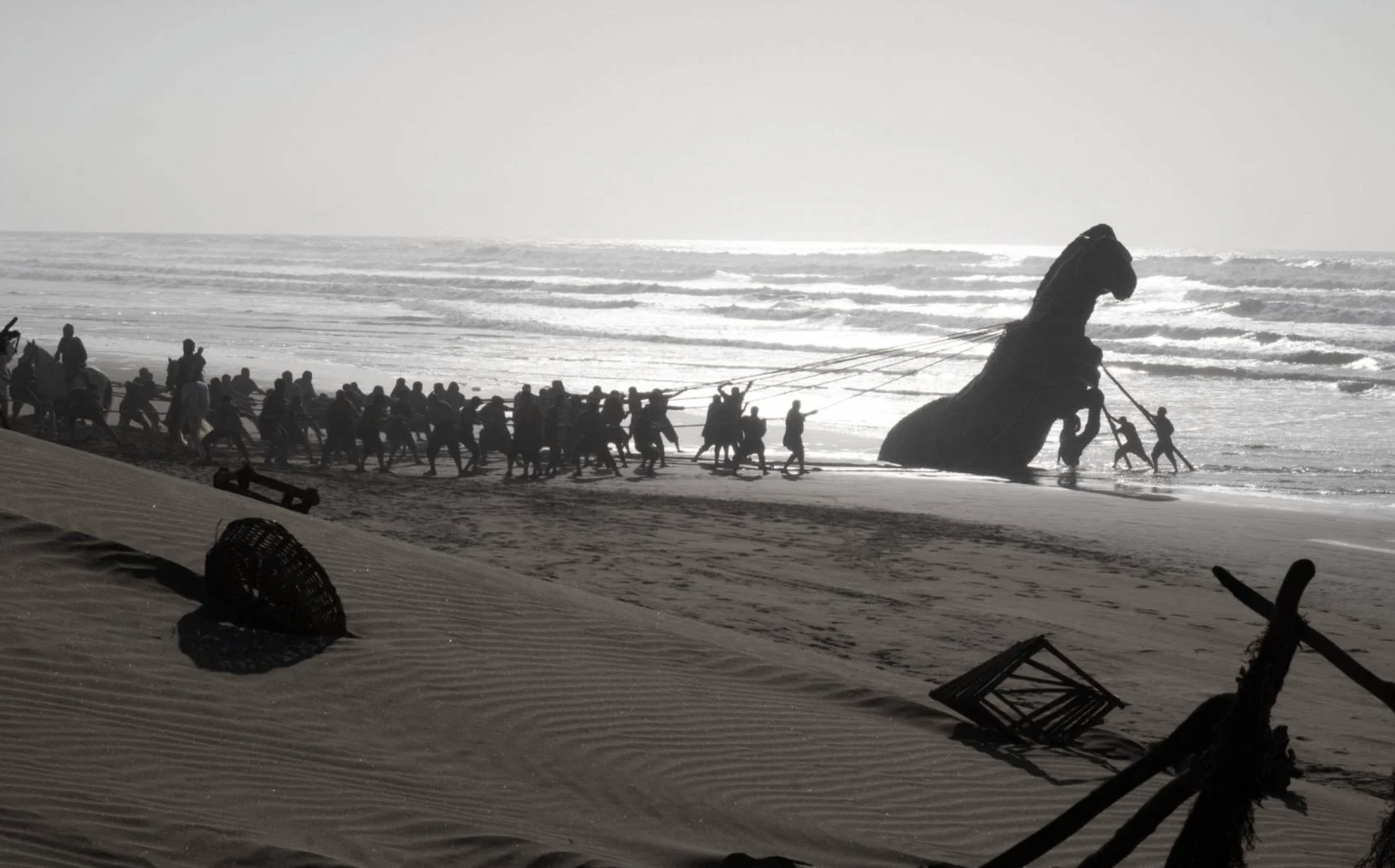
Leaders from all over Greece got up and went to war, stayed away ten years, and their kindgoms fell into disarray while they were away. But that’s not what causes the Dark Ages. In the movie, you’ll hear that these leaderless kingdoms are afraid (and even kingdoms that got their leaders back because they’re all crazy fuckers), and the thing they’re afraid it’s “people from the sea”, coming in and plundering and defying Zeus’ laws of hospitality. Now (and this is the second plot twist), it turns out those godless plunderers are the Greeks coming back from Troy. Because that’s what war does to you.
A Few Good Men…
Unfortunately, and with some very minor additions, that’s the whole of what works in Nolan’s work and that’s also precisely where Nolan’s main disadvantage starts to work against him. His main disadvantage being Hollywood.
Now, do you remember back in the days when Spielberg got into his head to do a movie from one of Philip K. Dick’s most bleak novels, and he did Minority Report? One of the problems over there was the director’s inability to dissociate from an optimism and positivism that’s hardcoded into his whole production.
I do believe we’re witnessing something along these lines over here.
Just as Nolan was unable to narrate the antihero with Batman, just as he refused to engage with Oppenheimer’s personality and character, he’s finding himself at odds with Odysseus and his original personality, his being a trickster at heart, and he turns his into the story of a good man who did bad things, but not particularly bad, his main crime being the idea of the horse which is seen as a violation of the rules of hospitality. Feeling guilty for this deception, he wanders around, and Calypso feels he doesn’t really want to go home.
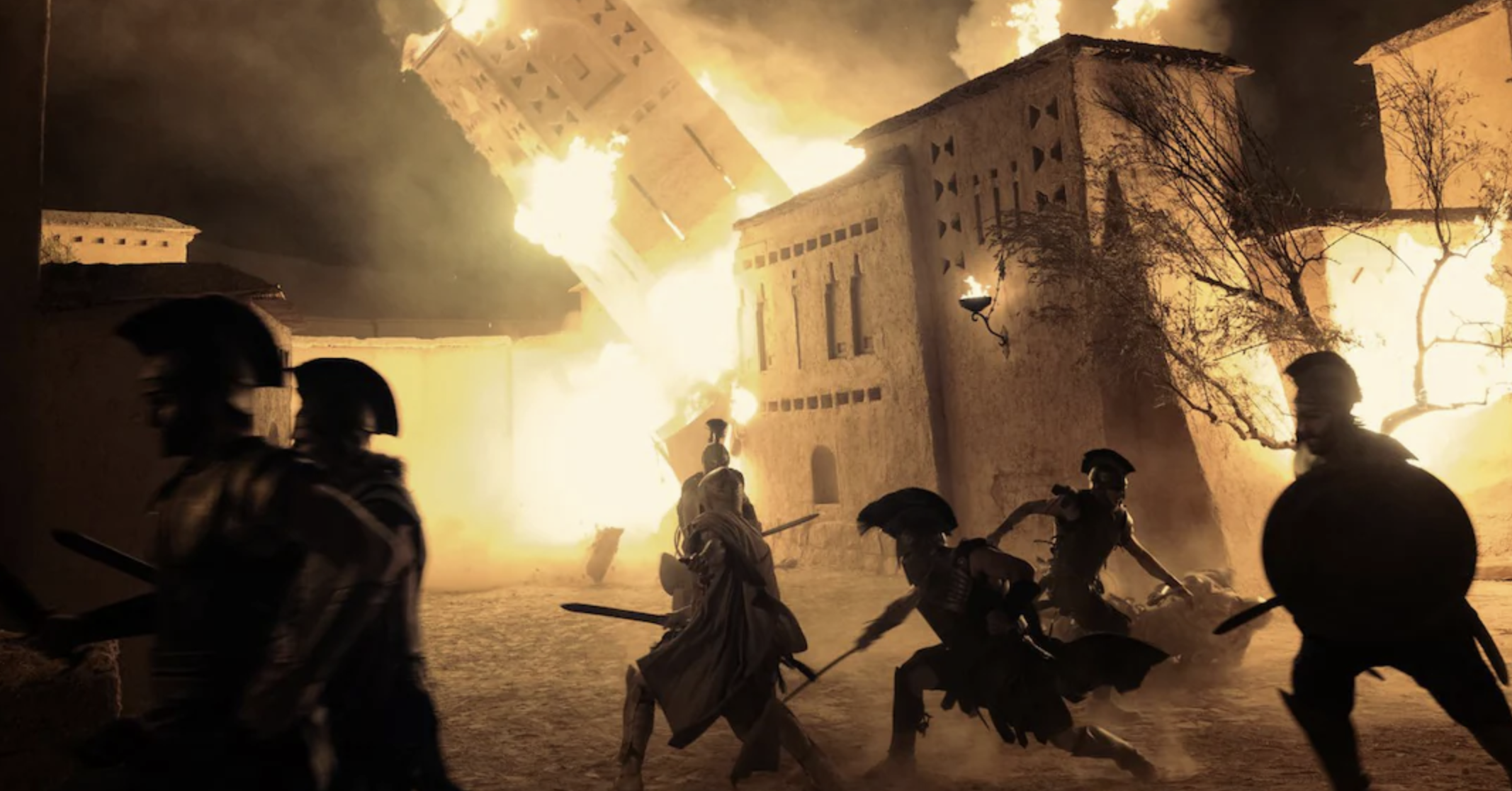
Regardless of how that’s not the original story, the story doesn’t hold together for many internal reasons, the main one being that Odysseus is… well, a good man. We don’t see him committing any crimes: we see him wandering around in distress as his companions sack Troy, we see him trying to save his companions multiple times, he doesn’t engage in extraconjugal relationships with either Circe (who’s rendered unattractive to avoid even the subtext) nor Nausicaa (who simply isn’t there), and while it’s true that he stays a long time with Calypso, he has any white man’s perfect excuse: he can claim he was under the influence.
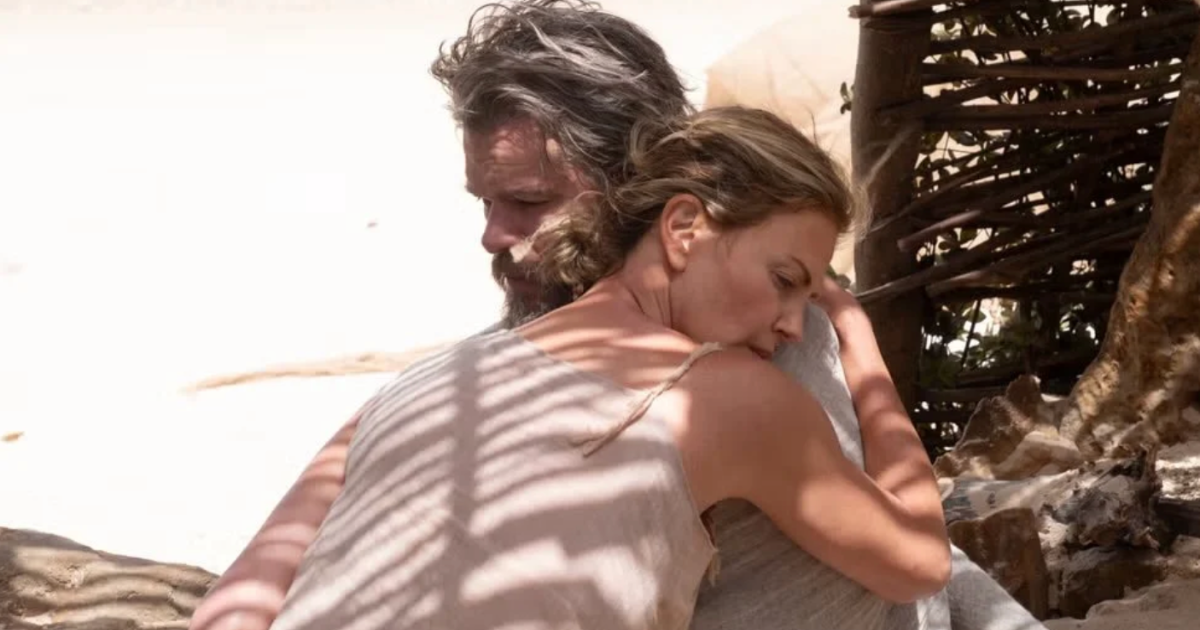
This is how Nolan’s troubles start: Odysseus isn’t particularly devious, and we don’t want to depict the Gods, but Nolan decided he still needs the gods to be angry at Odysseus, or at least he needs people around him to believe they are. On the other hand, he needs Odysseus to be one of the “men from the sea”, so he needs to consistently show see him and his men defying the laws of hospitality. This means, no wine for Polyphemus.
So, here’s what Nolan wants to keep from the original story: he’s the son of Poseidon, or at least he believes he is, and Odysseus’ companions end up believing that too; he lives on an island and has sheeps; they blind him while he’s asleep.
And here’s what Nolan doesn’t want or can’t keep: they can’t bring him wine (for the reasons explained above), which means the guy has no reasonable excuse for falling asleep anymore. And Nolan’s way out of this thing he created himself is… I don’t know: Polyphemus is narcoleptic or something: he just eats his two guys, yawns, and falls down, and sleeps without any warning.
Since there’s no wine, there isn’t any conversation either, which means that Odysseus doesn’t give Polyphemus any excuse to be angry at him particularly, and this would be fine. I mean, if a bunch of guys came into my house and drove a flaming stick into my only eye, I’d be pissed with them all, and I wouldn’t much care who had the idea. This doesn’t sit well with Nolan, who wants to keep that particular point but has deprived himself of the original reason, because Polyphemus per his own decision doesn’t talk. Therefore, Nolan has Odysseus shoot a random additional arrow at the guy, and that’s enough reason for everyone to believe Poseidon has it out for our hero. And it doesn’t even matter that Polyphemus was the one who violated Zeus’ rules of hospitality (and this might be the main reason Zeus won’t let Poseidon finish the job and kill him).
I could go on for hours.
Basically, Nolan picks and chooses what he wants to keep from the Odyssey, without ever wondering how those pieces were connected together and without making the extra effort to sew back in place the shreds he’s keeping. In this new patched-up world, characters and events aren’t kept consistent with each other as much as they’re kept consistent with what Nolan liked from the original story.
…and a Solitary Bitch
The reverse side of this phenomenon, where Odysseus is too good for his own misfortunes, is Circe. In this version, the sailors leave their leader behind because he messed up with Polyphemus, and they climb the hills towards the sorceress’ house, where they encounter bunch of tame and exotic beasts (and that’s accurately close to the original source). The sorceress herself is closer to Babette from Babette’s feasts than she is to the enchantress trope.

The sailors arrive, salute, give the usual disclaimer that they mean no harm to the woman, except it really looks like they mean it. She asks them to leave the weapons at the door, and they comply. They sit politely. All that’s missing is that they say their prayers before eating.
Now, why did you do that, in a movie where the whole point was that war turns you into a barbarian (all due respect to the actual civilisations these assholes were calling barbarians)? Odysseus eventually arrives, behaves identically, and yet he picks up on the Sorceress’ charm (another thing that, without Hermes, isn’t particularly justified), intervenes, forces Circe to release his companions. The end result is the portrait of a woman who’s prejudiced against men, and maybe that was true in the original. Why is it so in a movie where you laid the basis for her prejudice to be perfectly founded? Maybe, even for Nolan, it wouldn’t have been right for Odysseus to be the boy who sticks with boys. I honestly don’t know.
A couple more things
There’s two more things I’d like to address, though they’re unrelated, and I think I made my point.
The first one is the casting of Lupita Nyong’o in the double-role of Helen and her half-sister Clitemnestra. Her role as Helen is stretched out at best, though there would have been chances to show her in the scenes previous to the sack. As Clitemnestra, she gets to scream at her daughter’s murder and then she gets to go all Sophocles on her husband. Regardless, I can’t shake the feeling that her casting was more for show than for substance, to attract criticism, which would be a very cinic and manipulative move.
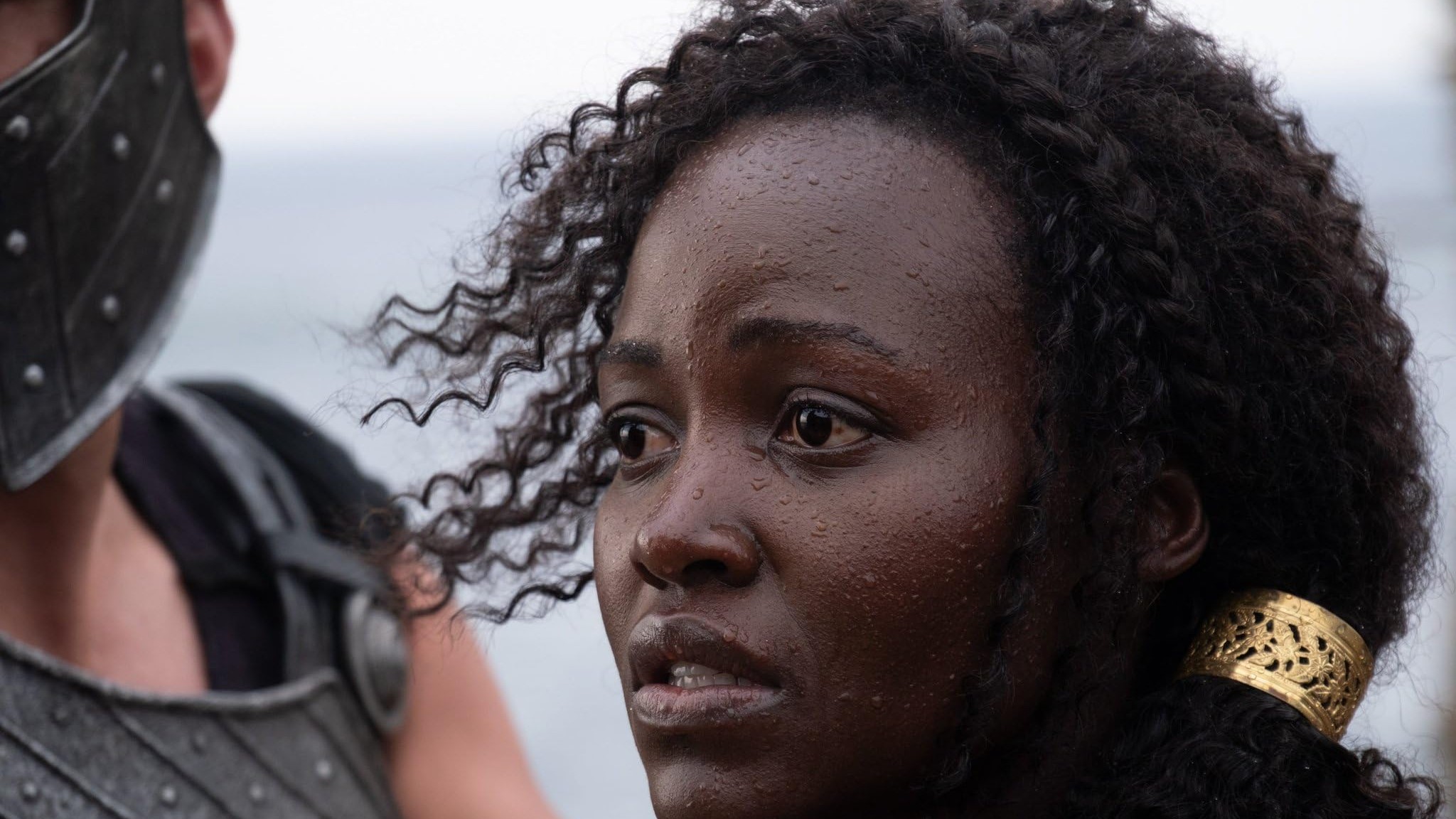
Regardless of that, it’s infuriating to see the racist attacks, and even more infuriating to see how little these people know because nobody, in defending the casting choice, thought of pointing out that Clitemnestra’s father was Tyndareus, son of Gorgophone, who in turn was the daughter of Perseus and Andromeda. And, if you know your Greek myths, Andromeda was as black as they come.
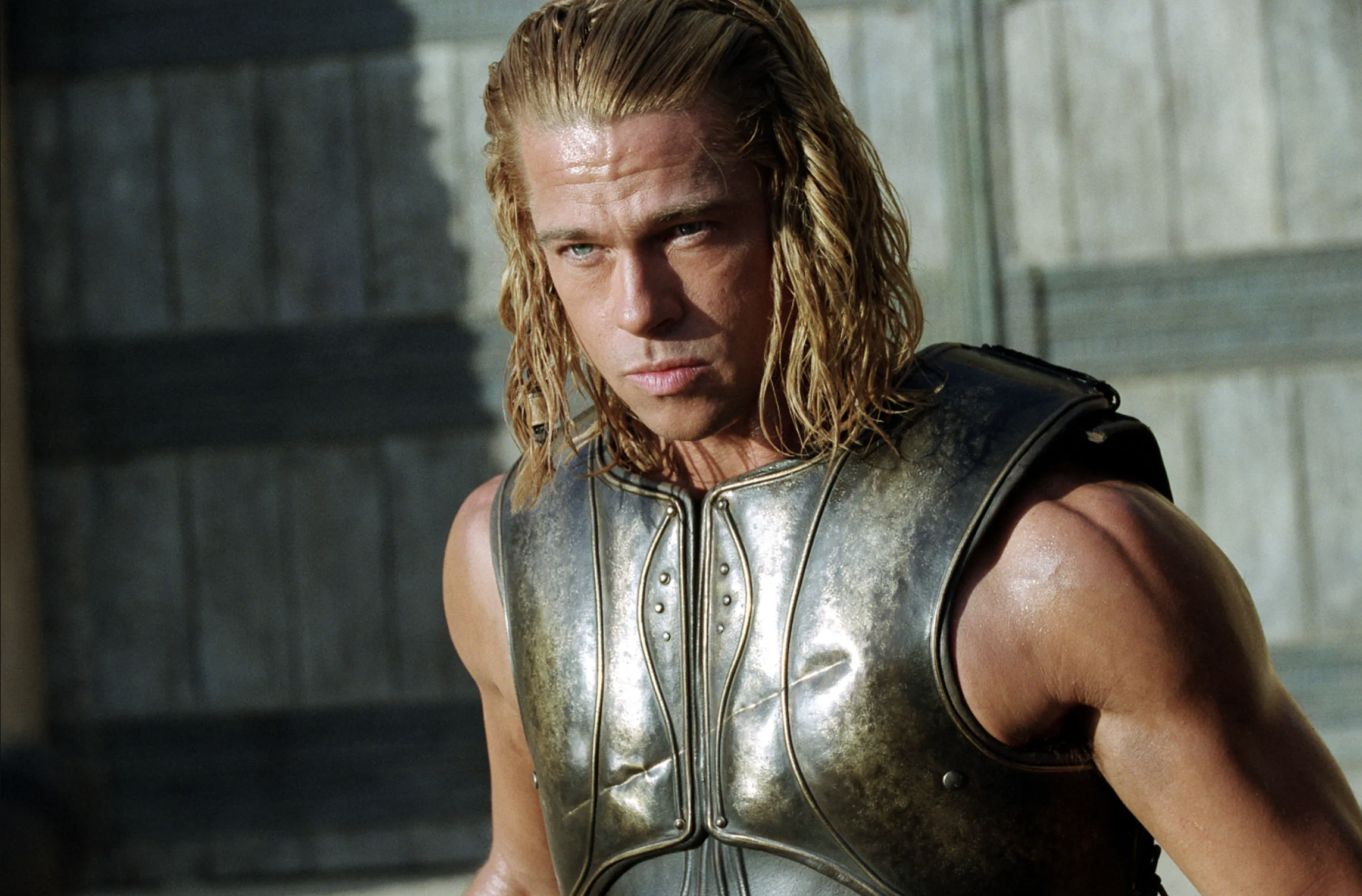
And I’ve been recently reminded that Leukólenos (white-armed, with white fore-arms) was an epithet for women and goddesses, meant to signify that they were noble and didn’t work in the fields, just as much as noblewomen in Egyptian paintings are always white while working men are often red. It’s not a phisical description, and complaining that Lupita Nyong’o isn’t white enough would be like complaining that Brad Pitt wasn’t fast enough in Troy (you get it if you get it).
The second thing is language. Some of the dialogues have been criticised for their use of a contemporary, informal register and, again, I think that’s missing the points.
The movie alternates between well-crafted dialogues (Calypso and Circe and the dead having some genuinely good lines overall) and stuff you wouldn’t accept in fanfiction but their anacronism doesn’t lie in the register.
While laying in bed one final time with his wife, Penelope tells Odysseus she doesn’t believe the war will last that long, because Menelao doesn’t care that much about Helen after all, and our hero explains to her that it’s all an excuse to control the Strait of Gallipoli and the trade routes that come through there.
Then, in his final dialogue, he takes it up a notch, and says “our bronze age is over.”
If you want something to get mad about, get mad about the fact Odysseus swallowed a primary school textbook, but apparently he didn’t digest it enough to know that the whole “sacred rules of hospitality” do not stand because “your guest might be Zeus in disguise” (that’s Odin you’re thinking about) but because, in an age of trade and fragile boats braving a merciless sea, not receiving hospitality will cause your whole civilization to collapse. Which, spoiler, it’s sort of happening right now. And that would have been a good point to make.



No Comments