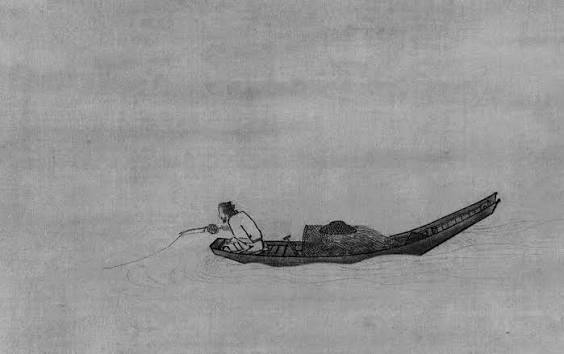
"All this he saw, for one moment breathless and intense, vivid on the morning sky; and still, as he looked, he lived; and still, as he lived, he wondered."

Pride Month 2025 – Words of the Day

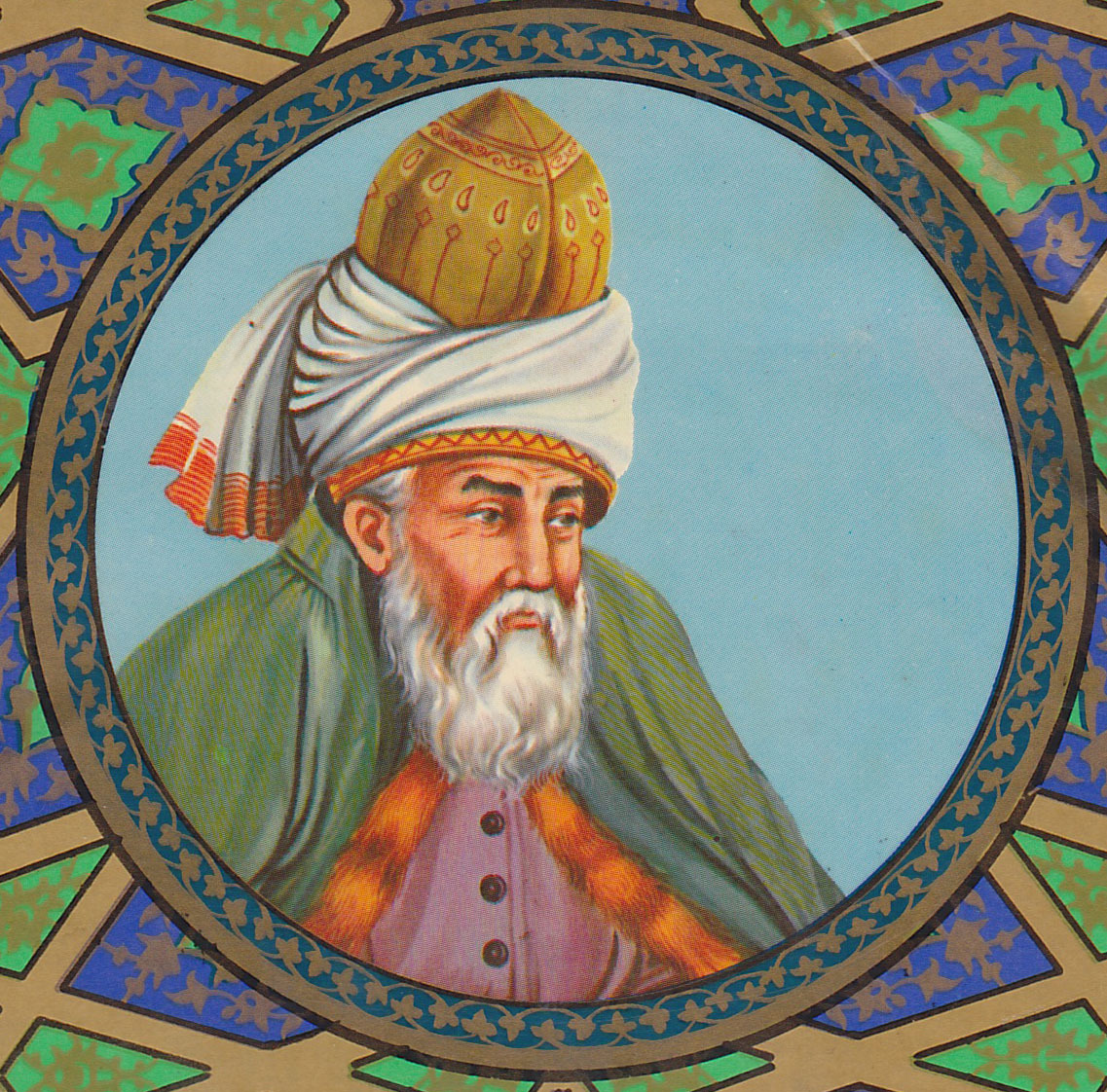
Letters in Exile: Rumi’s Longing for Shams al-Din Tabrizi

“Since Shams appeared,
my heart has been a hundred thousand burning lamps.
The world is a candle, and I am the wick:
I am consumed in the flame of love.”
— Divan-e Shams-e Tabrizi, 13th century, Persia

Among the most exalted voices in Islamic mysticism, Jalāl ad-Dīn Muhammad Rūmī, better known simply as Rumi, has been canonised as a sage of universal love. Yet within the swirling mysticism of his poetry lies a core of unmistakable longing: one intimately bound to the figure of Shams al-Din Tabrizi, the elusive dervish whose arrival in Rumi’s life set both his spirit and his verse ablaze.

When they met in 1244 in Konya, Rumi was already a respected jurist and teacher. Shams, a wandering mystic with no allegiance to orthodoxy, shattered his world. Their bond was immediate, intense, and transformative. Rumi abandoned his public teaching. The two withdrew into private communion: days of silence, laughter, gazes, poetry, and spiritual transmission. Their closeness scandalised Rumi’s followers, who saw their beloved master vanishing into obsession.

And then Shams disappeared, either murdered by jealous disciples or choosing exile once more. Rumi was devastated. What followed was one of the most remarkable outpourings of grief and ecstatic love in world literature: the Divan-e Shams-e Tabrizi, a collection of over 3,000 poems in which Shams is muse, beloved, mirror.

Rumi’s language is rapturous, full of fire, yearning, surrender. He speaks of kisses, of annihilation, of being consumed. The gender of the beloved, when specified, is male. And though the poetry is often couched in metaphysical terms — the beloved as a vessel for divine love — it pulses with earthly longing, erotic metaphor, and emotional intimacy that defy strict spiritual abstraction.
Version 1.0.0
Advent Calendar

Sabine Baring-Gould — A Christmas Tree

Tom Mountstephen was dressed in his very best—a black coat, a tie of blue satin studded with veritable planets, and in it a new zodiacal sign—a fox in full career, that formed the head of a pin. Tom’s collar was so stiffly starched and so

Read More »
Advent Calendar

Marjorie Bowen — Raw Material

Linley was fond of collecting what he called “raw material” and, as a fairly successful barrister, he had good opportunity for doing so. He despised novelists and romancists, yet one day he hoped to become one of these gentry himself, hence his collection of the

Read More »
books and literature

Return from the Stars

Though I think I get what Lem was trying to do with this novel, I also understand the many people whose reaction has been “what the fuck did I just read?” The novel is about alienation, social estrangement, post-traumatic stress and culture shock, which are

Read More »
Share on LinkedIn
Throw on Reddit
Roll on Tumblr
Mail it
No Comments

Post A Comment

This site uses Akismet to reduce spam. Learn how your comment data is processed.

RELATED POSTS

Sabine Baring-Gould — A Christmas Tree

Tom Mountstephen was dressed in his very best—a black coat, a tie of blue satin studded with veritable planets, and in it a new zodiacal sign—a fox in full career, that formed the head of a pin. Tom’s collar was so stiffly starched and so

Read More

Marjorie Bowen — Raw Material

Linley was fond of collecting what he called “raw material” and, as a fairly successful barrister, he had good opportunity for doing so. He despised novelists and romancists, yet one day he hoped to become one of these gentry himself, hence his collection of the

Read More

Return from the Stars

Though I think I get what Lem was trying to do with this novel, I also understand the many people whose reaction has been “what the fuck did I just read?” The novel is about alienation, social estrangement, post-traumatic stress and culture shock, which are

Read More