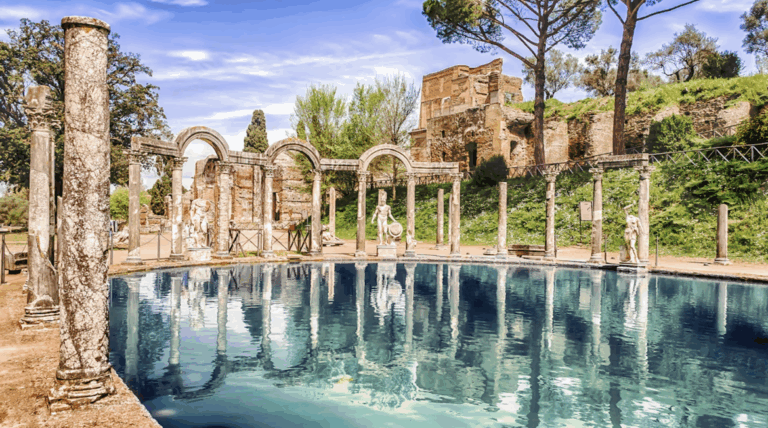
"All this he saw, for one moment breathless and intense, vivid on the morning sky; and still, as he looked, he lived; and still, as he lived, he wondered."

100% Witchblade – Avvento

E’ un po’ vecchiotto, ma ho tanto da recuperare e questo non è un volume che vorrei lasciare indietro.

Vita in scatola (Life in Boxes, da Witchblade #113 del gennaio 2008).
L’inquilino (The Resident, da Witchblade #114 del febbraio 2008).
Divisa (Divided, da Witchblade #115 del marzo 2008).
Avvento #1 (Advent #1, da Witchblade #116 dell’aprile 2008).
Avvento #2 (Advent #2, da Witchblade #117 del maggio 2008).
Avvento #3 (Advent #3, da Witchblade #118 del giugno 2008).

Numero parzialmente sottotono, diviso in modo abbastanza netto tra le prime tre storie e quelle che danno il titolo alla raccolta. I disegni di Sami Basri, senza infamia né lode, accompagnano una storiella insipida dove Danielle continua ad essere un personaggio insopportabilmente inutile e Sara è alle prese con la piccola Hope, nata in First Born. Vengono lentamente poste le basi per Avvento, con l’incontro tra la bionda e David, ma il resto è noia.

Avvento, invece, è un’altra storia, a cominciare dai sempre superlativi disegni di Stjepan Sejic. Avvento è una storia dagli echi mistici non senza morti cruente e riferimenti ad alcune vecchie conoscenze. Interessante, anche se un po’ ovvia, l’idea di creare per Sara e Gleason una squadra speciale per le indagini "problematiche": almeno Sara smetterà di imbattersi per caso nelle creature più assurde. D’altro canto, l’incommensurabile idiozia di Danielle rimane una costante, ma vengono parzialmente sistemate alcune che sembravano pecche di narrazione in Divisa (anche se, per imperizia narrativa, il colpo di scena in Avvento rimane decisamente troppo telefonato). E alla fine del numero, Aphrodite IV si risveglia.

architecture, engineering and construction

Ruins and Memory

Every text this week has been trying to answer some version of the same question: what, exactly, does a ruined building (or district, or city) owe the people still standing near it, and what do we owe to the ruin itself out of respect for

Read More »
Summertime

The Prison and the Railway Station

We already encountered W.G. Sebald with his The Rings of Saturn, and today I’d like to bring you his last novel, Austerlitz, published in 2001. The story follows a man named Jacques Austerlitz while he slowly uncovers the truth about his origins and his traumatic

Read More »
Summertime

Someone Has to Clean Up

Wisława Szymborska was a Polish poet, essayist, and translator, born in 1923 and awarded the Nobel Prize in Literature in 1996 for poetry marked by a sharp, ironic awareness of human life and history. Map: Collected and Last Poems is an English-language volume of Szymborska’s

Read More »
Share on LinkedIn
Throw on Reddit
Roll on Tumblr
Mail it
No Comments

Post A Comment

This site uses Akismet to reduce spam. Learn how your comment data is processed.

RELATED POSTS

Ruins and Memory

Every text this week has been trying to answer some version of the same question: what, exactly, does a ruined building (or district, or city) owe the people still standing near it, and what do we owe to the ruin itself out of respect for

Read More

The Prison and the Railway Station

We already encountered W.G. Sebald with his The Rings of Saturn, and today I’d like to bring you his last novel, Austerlitz, published in 2001. The story follows a man named Jacques Austerlitz while he slowly uncovers the truth about his origins and his traumatic

Read More

Someone Has to Clean Up

Wisława Szymborska was a Polish poet, essayist, and translator, born in 1923 and awarded the Nobel Prize in Literature in 1996 for poetry marked by a sharp, ironic awareness of human life and history. Map: Collected and Last Poems is an English-language volume of Szymborska’s

Read More