
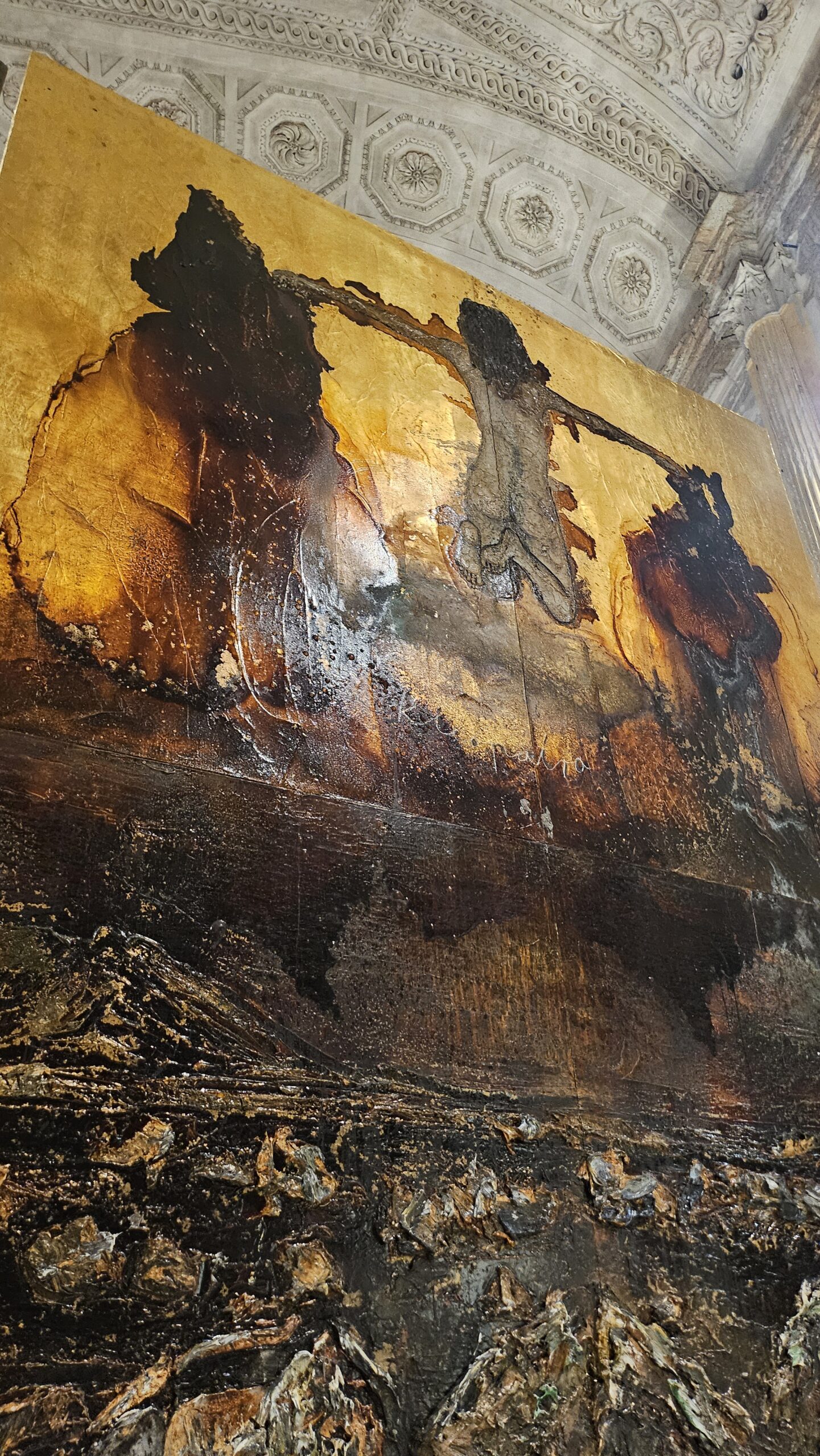
If the world wasn’t on fire, I would almost be tempted to say that it’s a wonderful time to be alive and in Milan, and it is, at least from an artistic point of view. The city is flourishing and you literally don’t know where to turn. In this context, Anselm Kiefer‘s site-specific installation Le Alchimiste (The Women Alchemists) is an absolute gem.
The installation, presented in the monumental setting of the Sala delle Cariatidi at Palazzo Reale, constructs a constellation of characters both historical and legendary, depicted through more than forty large-scale works, dense and stratified with names, materials, and references. At its core lies the gesture of re-centring women within the history of alchemy and, by extension, within the origins of scientific thought.
The main subjects are figures that span centuries and epistemological frameworks, from ancient Alexandria to the early modern laboratories and salons of Europe, some being historically documented practitioners — such as Marie Meurdrac or Caterina Sforza — others belonging to more ambiguous territories, where authorship and identity are partially obscured. Alongside them appear philosophers, observers, and mediators of knowledge. What binds these women is a shared discipline as perceived at their time and a shared condition: each of them engages, in different ways, with the transformation of body and matter.
Alchemy, in this context, is not a precursor to chemistry in a linear sense; rather, it’s presented as a complex field in which material experimentation, symbolic language, medical practice, and philosophical inquiry coexist. Transformation operates simultaneously on multiple levels: substances are altered through processes such as distillation or calcination; bodies are treated, preserved, or enhanced; knowledge is encoded, transmitted, and reinterpreted; identities themselves are constructed, dissolved, and reconfigured.
Kiefer’s artistic language mirrors this layered understanding: his works are alchemical in their very structure, through the use of materials such as lead, ash, earth, and organic matter subjected to processes of burning, corrosion, and accumulation. You won’t believe the texture of these things.
And, within a room that’s textured itself with the scars of history and war, this exhibition is a must-see.
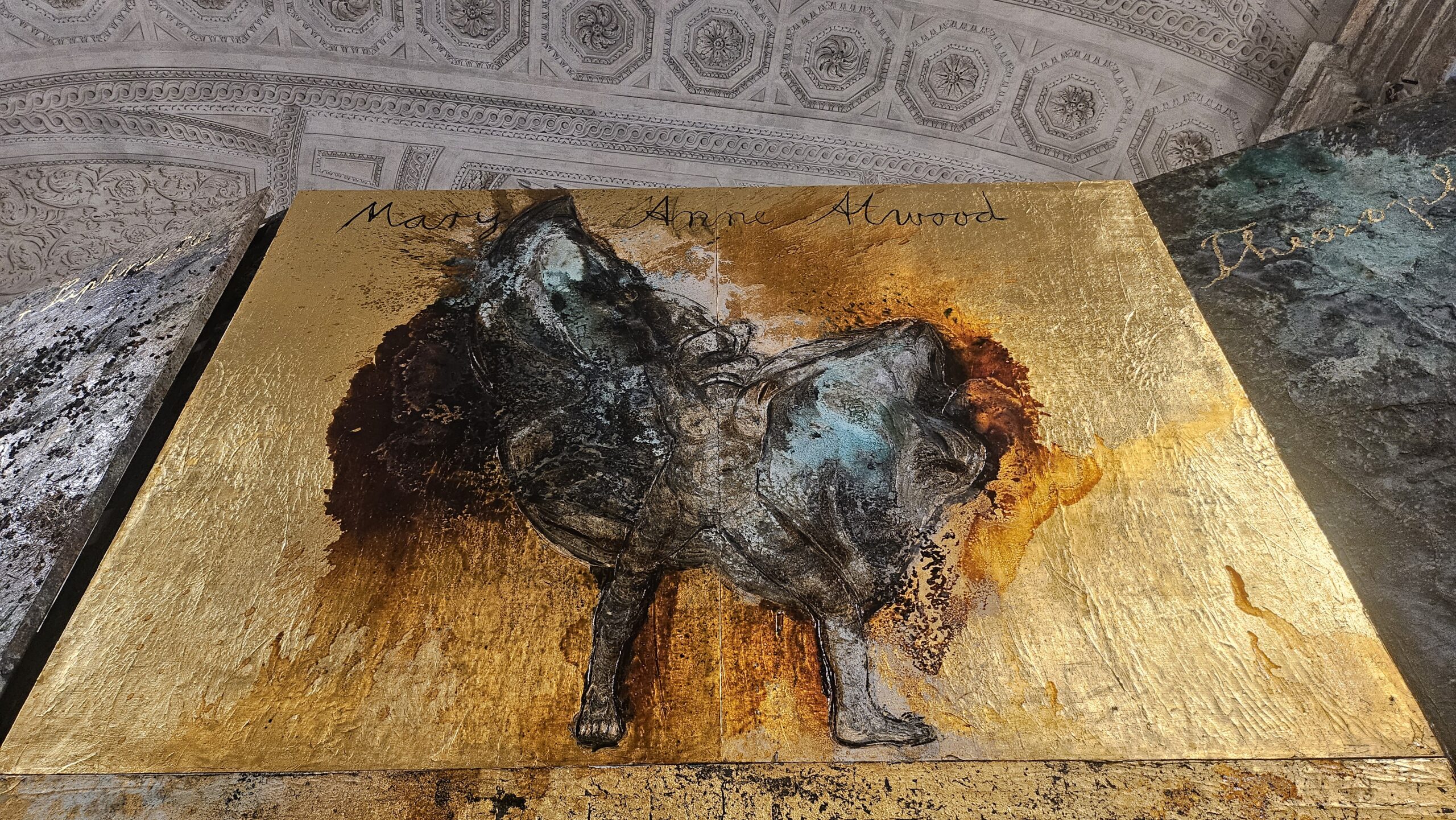
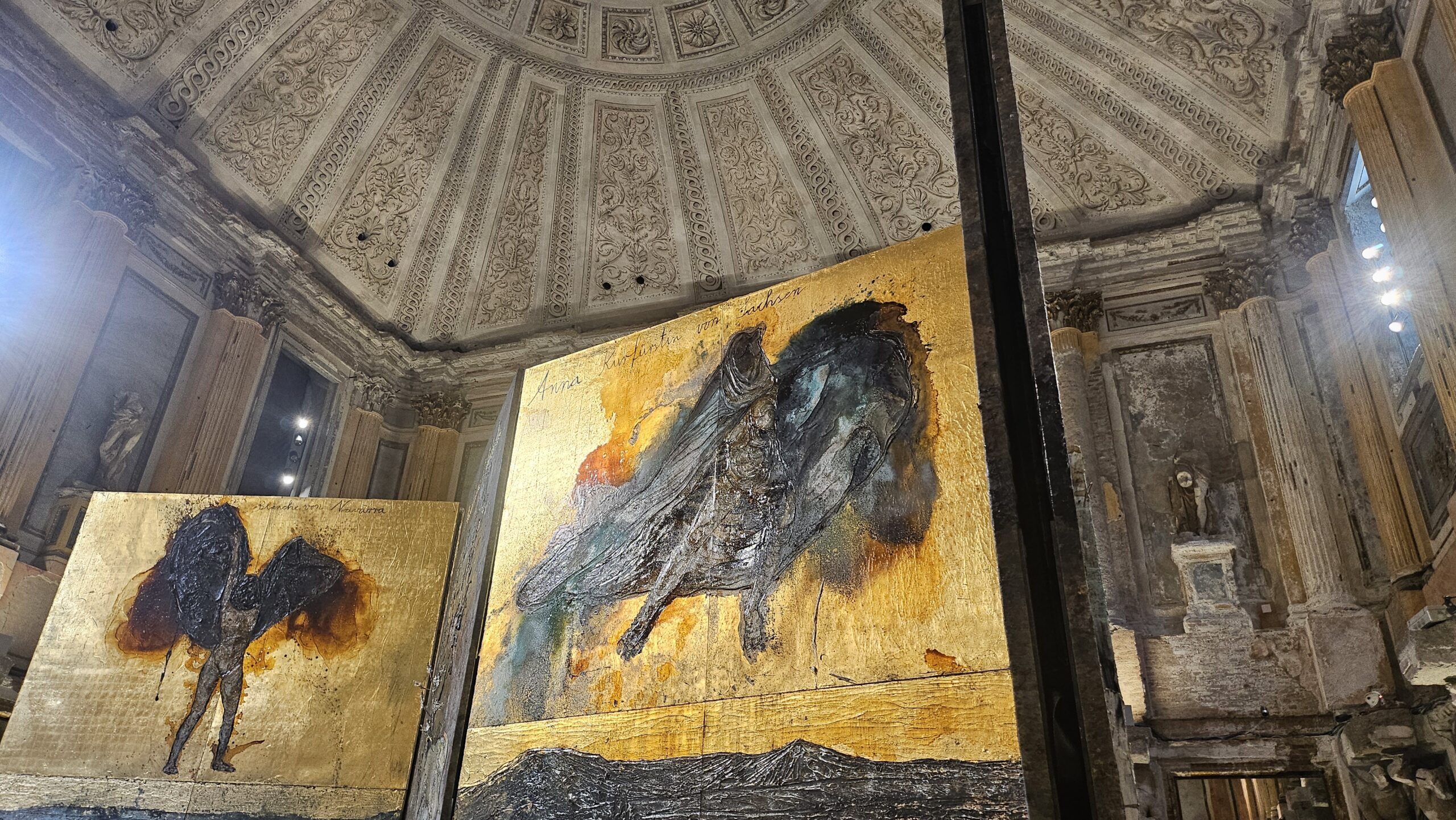
Some of the Alchemists
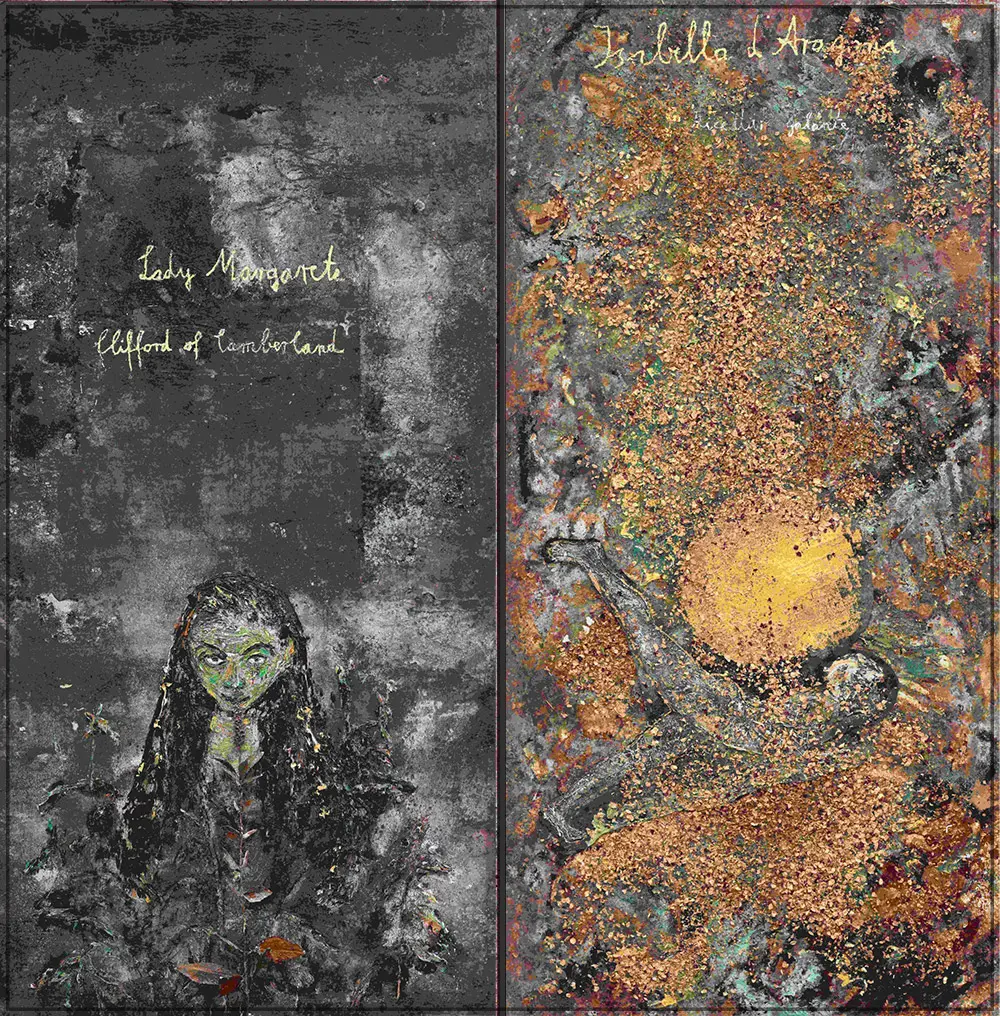
1. Isabella of Aragon
Born in 1470, Isabella of Aragon was the daughter of Alfonso II of Naples and became Duchess of Milan through her marriage to Gian Galeazzo Sforza. Hence, her life unfolded within two of the most intellectually active courts of the Italian Renaissance — Naples and Milan — both deeply engaged in the study of medicine, natural philosophy, and early chemical practices. Courtly environments like these were laboratories of knowledge exchange, where physicians, humanists, and experimenters operated in close proximity to political power. Isabella’s role must be understood within this ecosystem. As a noblewoman, she participated in the management of health — her own, that of her household, and of dynastic reproduction — areas deeply tied to proto-scientific practices that forced women of her status to be custodians of pharmacological knowledge, overseeing remedies, herbal preparations, and therapeutic regimens. This placed them in a position adjacent to both medicine and alchemy, which at the time were not clearly separated disciplines. Isabella’s intellectual environment connects her to broader networks of female knowledge production in early modern Europe. While she did not author treatises like later figures such as Isabella Cortese or Marie Meurdrac, her position enabled and sustained the circulation of expertise, because courts depended on women like her as mediators of knowledge as collectors, patrons of physicians, participants in the experimental culture that blurred boundaries between science and domestic practice. If you want to read how it all broke down, I suggest you read Monica H. Green’s Making Women’s Medicine Masculine: The Rise of Male Authority in Pre-Modern Gynaecology.
Her biography is also marked by illness, displacement, and political struggle following the death of her husband and the fall of the Sforza rule. These experiences foreground the body as a site of vulnerability and transformation, central themes in alchemical thought. Alchemy, in this sense, is the manipulation of substances for endurance, transmutation, and transformation under pressure.
Kiefer’s work frequently engages with this dimension: matter subjected to decay and recomposition mirrors historical and personal trauma, and Isabella fits perfectly.
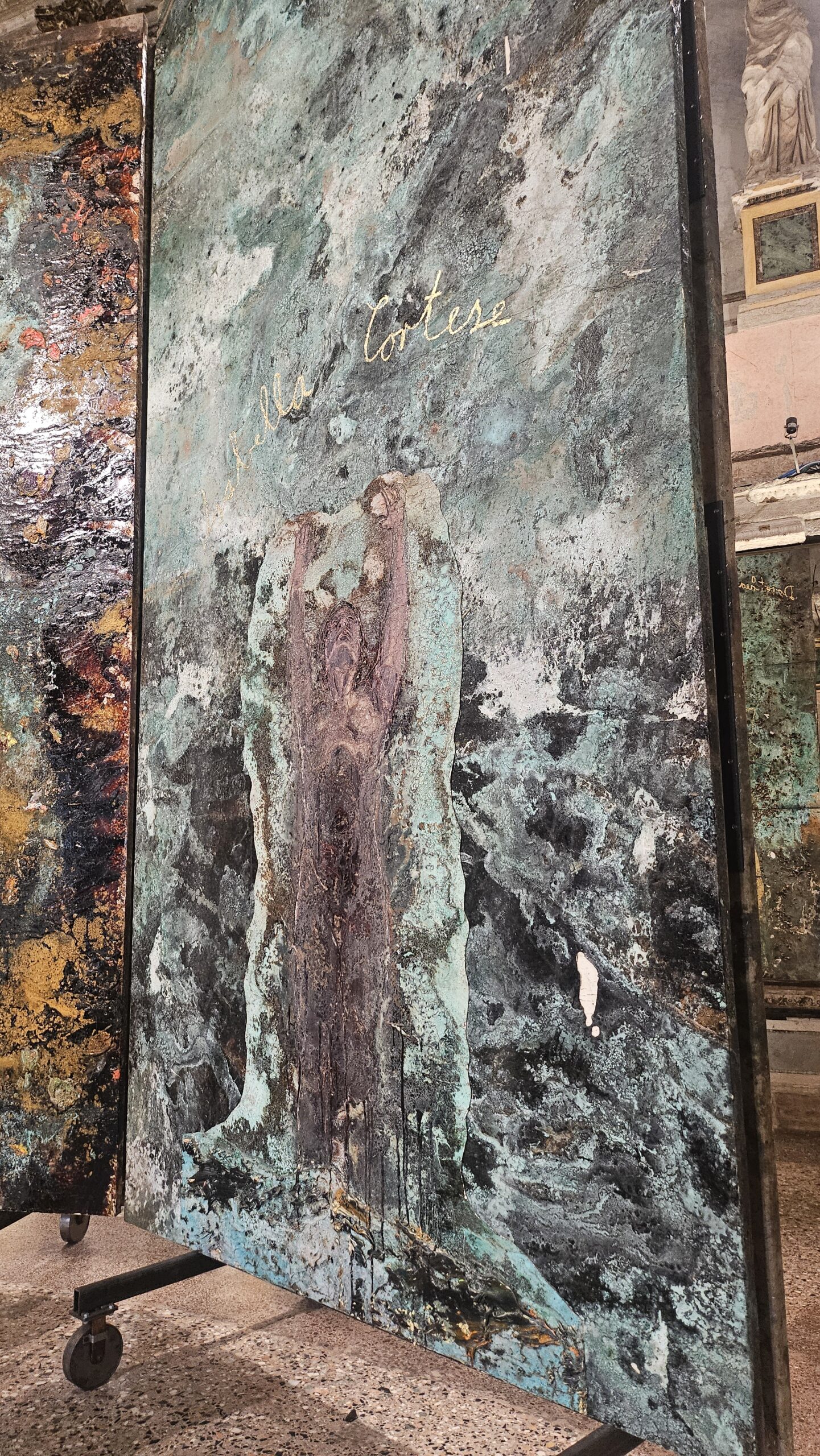
2. Isabella Cortese
Isabella Cortese is the attributed author of I secreti della signora Isabella Cortese (first published in 1561), one of the most widely circulated books of secrets in early modern Europe, and we don’t know whether she really existed and wrote under a pseudonym or she was a fictional persona created by publisher Giovanni Bariletto to appeal to readers, possibly inspired by figures like Isabella d’Este; her surname “Cortese” even anagrams to “secreto” in Italian. The very notion of secrets is central because, in the 16th century, knowledge was often transmitted through controlled networks — guilds, courts, families — and framed as something to be earned or protected. Cortese claims access to rare and powerful knowledge gathered through travel, encounters, and practice. Whether Isabella Cortese was a historical individual or a constructed authorial persona, her text belongs to a genre half alchemy, half medicine, half cosmetics, and half craft knowledge, and contains recipes for distillation, medicinal preparations, metallurgical processes, and beauty treatments, like an encyclopedic collection of practical know-how rooted in experimentation.
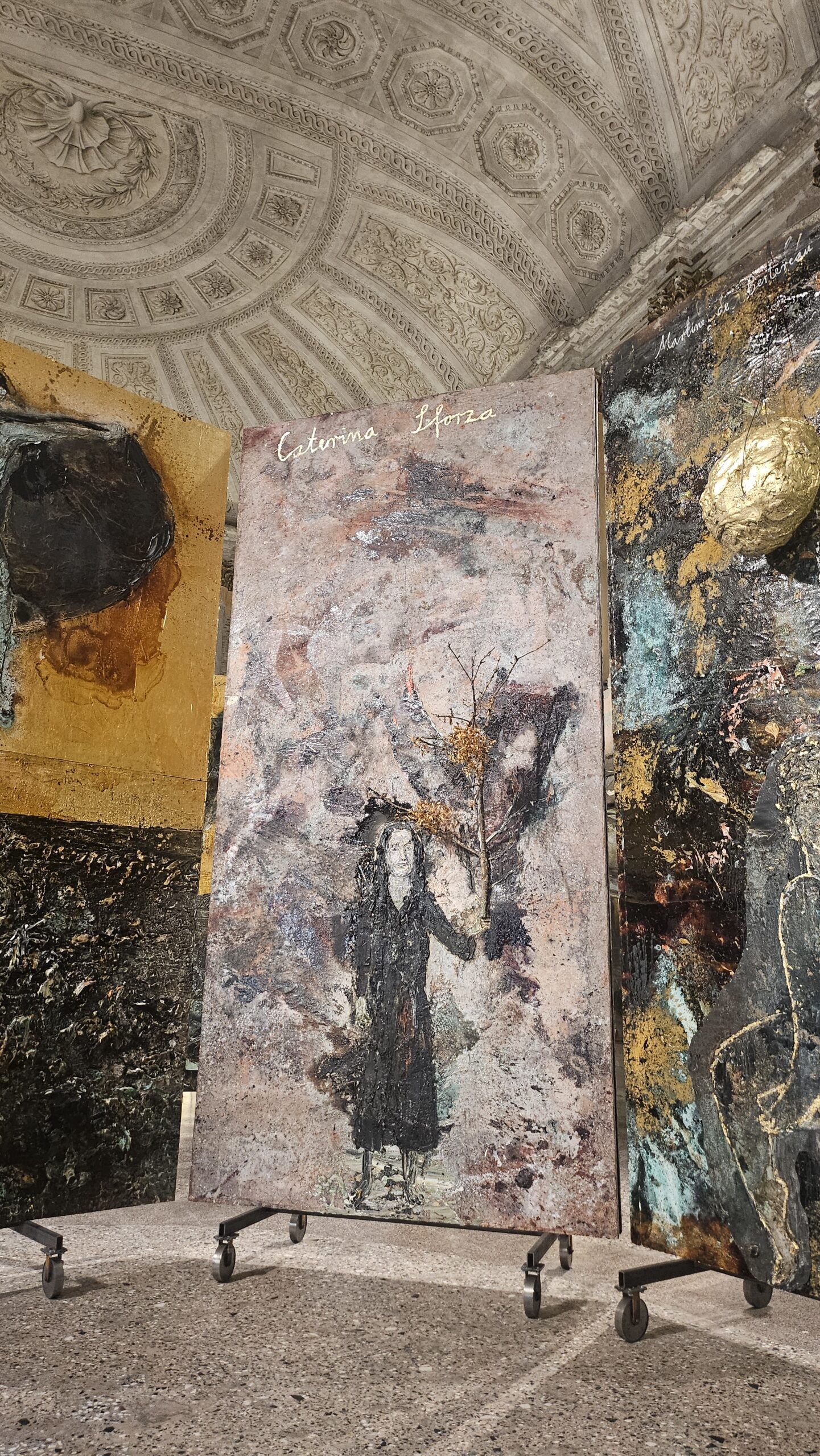
3. Caterina Sforza
Born in 1463, the illegitimate daughter of Galeazzo Maria Sforza, Duke of Milan, Caterina became Lady of Imola and Forlì, and she is often remembered for her political strength and military resistance, but this narrative alone obscures a crucial dimension of her life: her sustained engagement with what we would now call chemical and medical practices. Unlike many women associated indirectly with these fields, Caterina left behind direct evidence of her work in the Experimenti, a collection of more than 450 recipes compiled in the late 15th century. The manuscript includes formulations for medicines, cosmetics, alchemical preparations, and even substances with toxic or protective properties, and reflects a hands-on, experimental approach.
Her political life intensifies this reading: Caterina governed territories, defended them militarily, and navigated unstable alliances and, in such a context, knowledge of substances — healing agents, poisons, preservatives — was strategic. The body becomes a site of intervention. This aligns closely with alchemical thought, where transformation is often linked to power: the ability to alter matter is inseparable from the ability to control outcomes.
4. Cleopatra
The Cleopatra invoked in alchemical traditions is only Cleopatra VII of Egypt, the familiar political icon, but a more elusive figure known as Cleopatra the Alchemist, associated with late antique Alexandrian science. Though historical certainty is limited, texts attributed to her — preserved in Greek alchemical manuscripts — place her among the earliest known contributors to the field: she is often linked to the Chrysopoeia, a text , which includes inscriptions and diagrams that articulate a fundamental alchemical principle: “One is All, and through it All, and to it All returns.” I also articulate the central concept in alchemy, gold-making, and use symbolic diagrams representing cyclical transformation and the unity of matter.
Alexandria, Cleopatra’s intellectual backdrop, was one of the most important centres of knowledge in the ancient world: it hosted traditions of Greek philosophy, Egyptian metallurgy, and early chemical experimentation. Alchemy, as it later developed in the Hellenistic and medieval periods, draws heavily from this environment. Cleopatra’s association with this tradition situates her at the origin point of a lineage that extends through figures like Maria the Jewess and into early modern European practitioners.
5. Marie Meudrac
One of the most explicitly scientific figures in Kiefer’s constellation, a woman who entered the practice, codified its knowledge, and claimed authority within a domain increasingly dominated by men.
Active in 17th-century France, Marie Meurdrac is best known for her treatise La chymie charitable et facile, en faveur des dames (1666), one of the earliest chemistry manuals written by a woman and explicitly addressed to women. The title itself is revealing: “charitable” and “accessible” chemistry signals both a pedagogical intent and the political statement that knowledge is not to be guarded, but shared. At a time when scientific practice was becoming institutionalised and exclusionary, Meurdrac opened a parallel path.
What makes Meurdrac particularly relevant within Kiefer’s exhibition is this explicit confrontation with gender barriers. In the preface to her book, she acknowledges the tension of her position, writing that she hesitated to publish because “teaching is not the profession of a woman,” yet ultimately asserts that “minds have no sex.” This statement dissolves a fixed hierarchy (male/female, learned/ignorant) and proposes transformation through knowledge. Her laboratory was domestic in scale, but shows how modern chemistry was not confined to universities; it thrived in kitchens, workshops, and courtly environments. In this sense, Meurdrac embodies a form of distributed scientific practice, where the boundaries between medicine, cosmetics, and alchemy collapse into a unified field of material transformation.
In the context of the exhibition, her work occupies a critical transitional moment between alchemy and modern chemistry. The text combines practical recipes — distillation, preparation of remedies, cosmetics — with theoretical reflections drawn from Paracelsian and alchemical traditions. Rather than rejecting alchemy, Meurdrac reframes it: experimentation, observation, and repeatability become central, anticipating the epistemological shift toward empirical science.
6. Madame de la Martinville
Madame de la Martinville was a mysterious early modern Frenchwoman appearing in 17th-century manuscripts as an active practitioner of alchemy alongside figures like Quercitan’s daughter. She features in alchemical texts linked to Joseph du Chesne‘s Paracelsian circle, depicted as engaging in philosophical and practical alchemy, possibly symbolising the androgynous philosopher’s stone. Scholars view her as part of a rare documented group of female alchemists, though her historical reality remains uncertain, much like Isabella Cortese. She represents a category of women whose engagement with alchemy, medicine, and experimental practices unfolded outside formal authorship and institutional recognition.
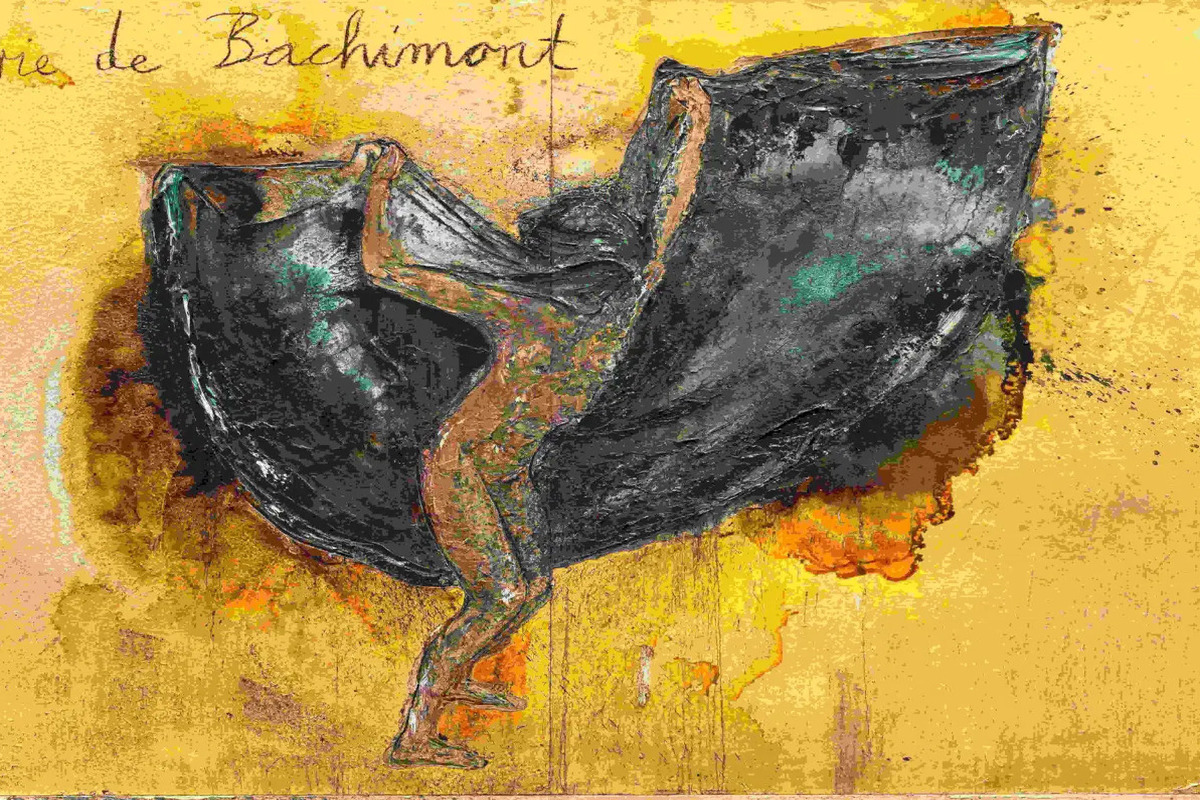
7. Marie de Bachimont
Marie de Bachimont — more widely known as Marie de Brégy, marquise de Béchameil de Nointel — was an influential figure in 17th-century France, closely associated with the cultural and intellectual life of Paris. She is best remembered for her role within elite networks of patronage, particularly those intersecting with early scientific inquiry and literary production, and, while she did not author treatises on alchemy or chemistry, her position placed her at the centre of exchanges between scholars, physicians, and natural philosophers.
The 17th century marks a crucial transition in the history of science: knowledge begins to move from private, often secretive practices toward more organised and collective forms, such as academies and salons, and women like Marie de Bachimont played a decisive role in this shift, particularly in the context of promoting social spaces for discourse.
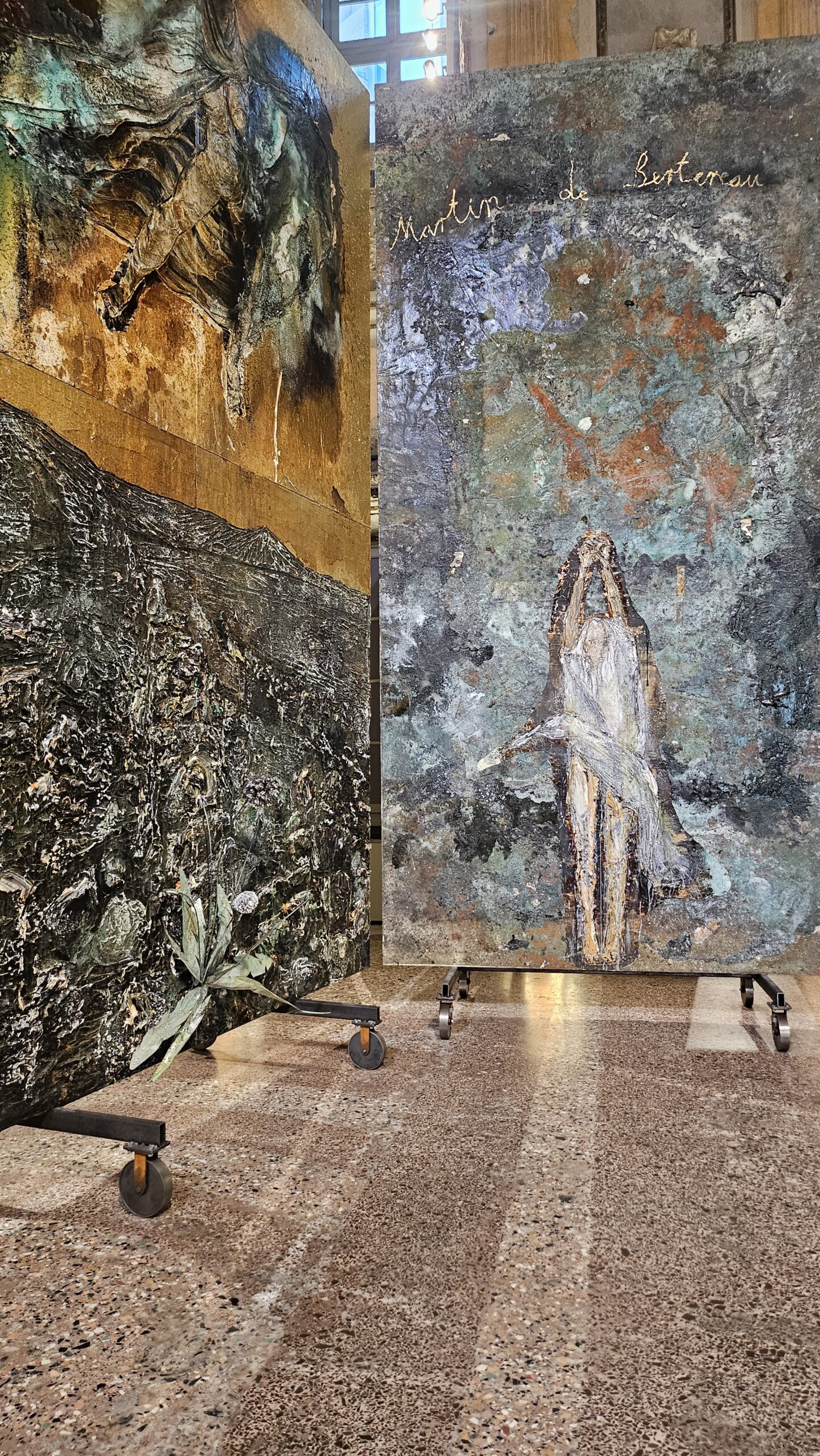
8. Martine de Bertereau
Active in the early 17th century like de Brégy, Martine de Bertereau — often referred to as Baroness de Beausoleil — was one of the first women in Europe to be associated with mining engineering and mineral prospecting. Together with her husband, Jean du Châtelet, she travelled extensively across France and Central Europe, identifying potential mining sites and applying techniques that combined empirical observation with elements drawn from alchemical and geomantic traditions.
Her work culminated in the publication of La restitution de Pluton (1640), a text addressed to Cardinal Richelieu where she outlines methods for locating mineral deposits, describing both practical indicators — soil composition, vegetation, geological formations — and more controversial practices, such as the use of divining rods. This combination reflects the transitional nature of her knowledge: poised between emerging geological science and older, symbolic systems of interpreting the earth.
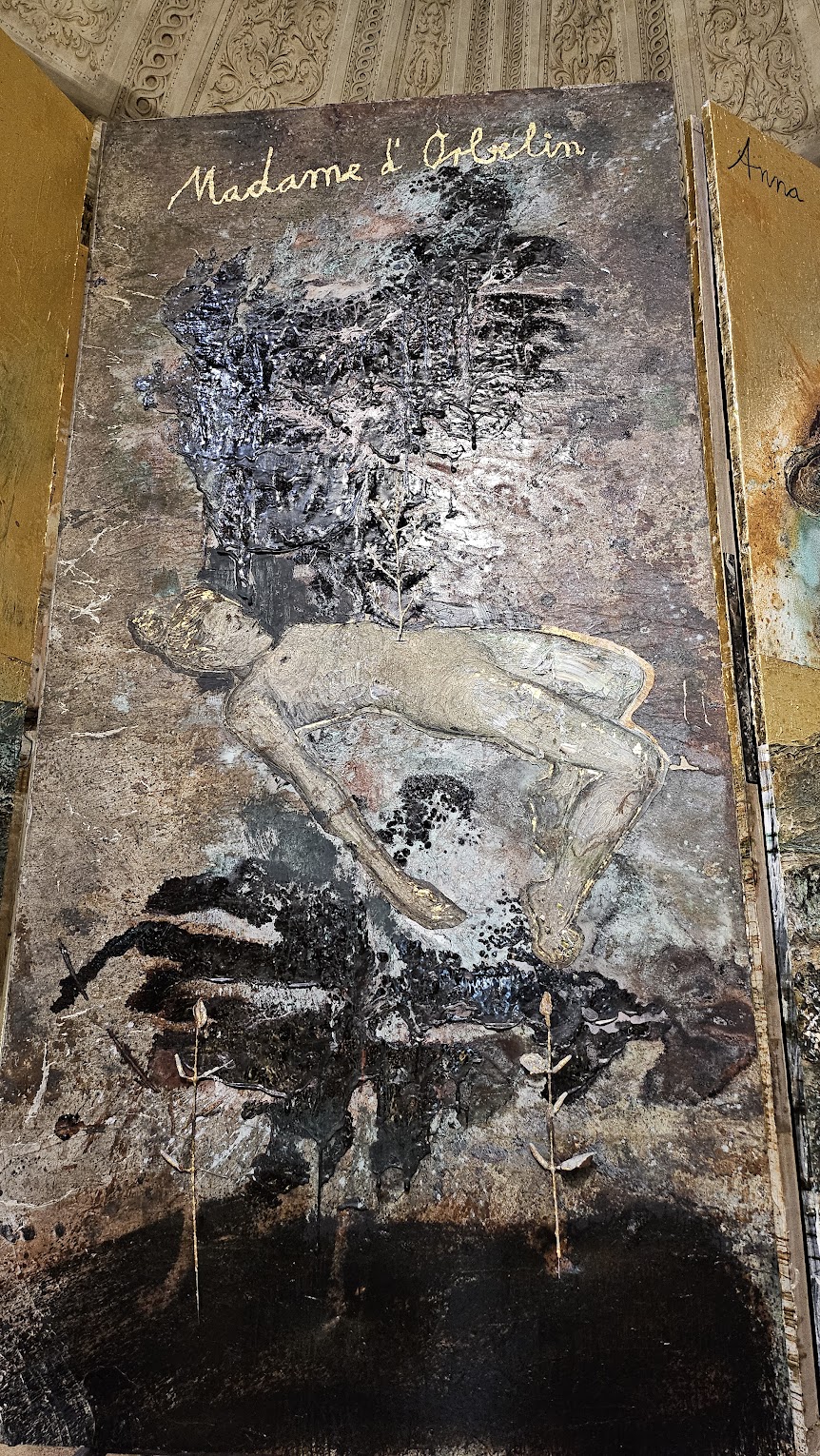
9. Madame d’Orbelin
The historical record surrounding Madame d’Orbelin is extremely limited. Like Isabella Cortese and Madame de la Martinville from our prior discussion, she likely represents a symbolic or manuscript-based persona in 17th-century alchemical circles, possibly linked to French Paracelsian networks or philosophical stone lore. No definitive biography exists, suggesting she may be a pseudonymous or fictionalised woman practitioner amid Renaissance secrecy traditions. She’s mentioned in Maupassant’s tales, and that’s pretty much everything I could find.
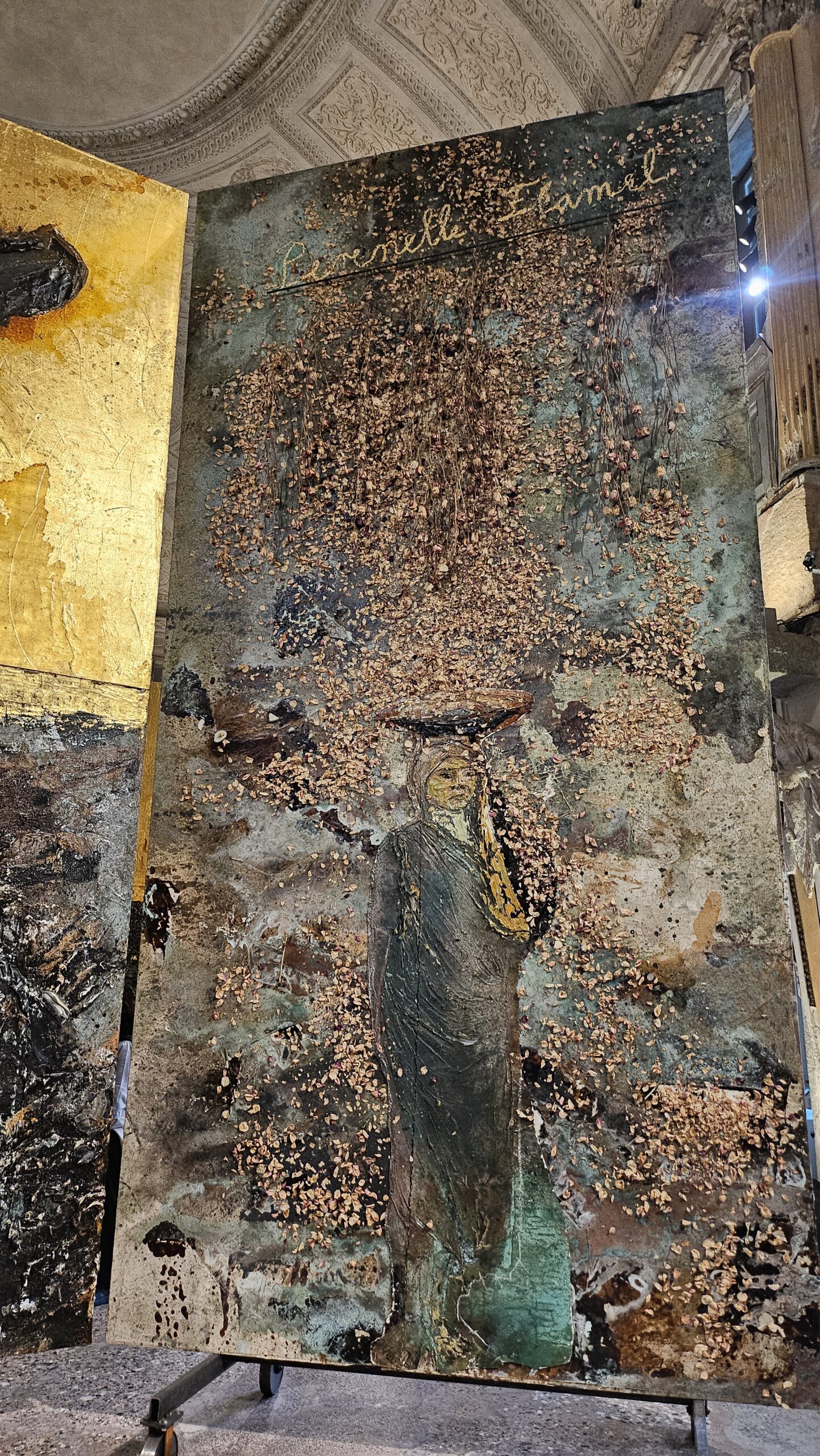
10. Perenelle Flamel
Perenelle Flamel is traditionally known as the wife of Nicolas Flamel, the Parisian scribe who, in later accounts, was credited with discovering the philosopher’s stone. While Nicolas Flamel is a historical figure (c. 1330–1418), his association with alchemy emerges much later, particularly in 17th-century texts that retroactively construct him — and by extension Perenelle — as accomplished alchemists. Within these narratives, Perenelle is a collaborator, sharing in the discovery and practice of alchemical transformation, and some accounts emphasise her role in managing resources, interpreting symbolic texts, or participating directly in the processes that led to the creation of gold and the elixir of life. Whether factual or fictional, this portrayal positions her within the partnership as an active agent. The legend also includes themes central to alchemical thought: transformation, immortality, and the persistence of matter beyond apparent limits. Stories of the Flamels often suggest that they achieved not only the transmutation of metals, but a form of extended life or spiritual elevation.
For some reason, she’s not included in the catalogue for the exhibition.
11. Sabine Stuart de Chevalier
Active in late 18th-century France, Sabine Stuart de Chevalier is known for her work Discours philosophique sur les trois principes, animal, végétal et minéral (1781), a text that engages directly with alchemical theory while attempting to render it intelligible within a broader philosophical framework. By the late 18th century, chemistry was emerging as a distinct discipline, increasingly grounded in measurement, classification, and experimental reproducibility. Yet alchemical ideas persisted—particularly the notion that all matter is composed of fundamental principles capable of transformation. Her writing reflects this period, in which alchemy had not disappeared but was being rearticulated in dialogue with Enlightenment science.
Her focus on the three kingdoms — animal, vegetal, and mineral — reflects for instance a holistic vision of nature where different forms of matter are interconnected and governed by shared processes, and this continuity is central to alchemical thought, which seeks to understand transformation as a universal principle rather than a set of isolated reactions. In this sense, her writing operates as a bridge: it translates alchemical concepts into a form that anticipates modern scientific discourse without fully relinquishing their metaphysical depth.
12. Anne Conway
Anne Conway (1631–1679), an English philosopher, is best known for her posthumously published work The Principles of the Most Ancient and Modern Philosophy (1690). Although not an alchemist in the practical sense, her ideas are deeply entangled with hermetic traditions circulating in 17th-century Europe, and her thought develops in dialogue with Cartesian mechanism, which conceived matter as inert and passive, and offers a radical alternative: a universe composed of living, dynamic substance.
At the core of Conway’s philosophy is the rejection of strict dualism between mind and body. Instead, she proposes a continuum of being, where all creatures — spiritual and material — are interconnected and capable of transformation. Transformation, in her view, is not an exception; it is the fundamental condition of existence.
Her work is also influenced by Christian Kabbalah and the teachings of figures such as Henry More and the Cambridge Platonists, as well as by contacts with thinkers like Francis Mercury van Helmont, who was directly involved in alchemical and medical debates of the time. Through these networks, Conway’s philosophy becomes part of a broader intellectual environment where science, theology, and alchemy are not yet separated into distinct domains.
13. Rebecca Vaughan
Rebecca Vaughan was a 17th-century English alchemist, wife and research partner of the Welsh mystic and alchemist Thomas Vaughan. Active in the 1650s, she collaborated closely with her husband on experiments, contributing notations like “T R V” in his works such as Aqua Vitae, Non Vitis and inspiring recipes such as the one named “Aqua Rebecca.” Thomas, a Rosicrucian translator writing under the pseudonym Eugenius Philalethes and self-described member of the “Society of Unknown Philosophers,” highlighted her active involvement, marking her as a rare documented female practitioner in English alchemy.
14. Sophie Brahe
Born in 1556 into a Danish noble family, Sophie Brahe is indeed the sister of the astronomer Tycho Brahe. While her contributions were long overshadowed, historical research has increasingly recognised her active role in astronomical observation, data collection, and the production of precise records that were essential to Tycho’s work. He must have forgotten to thank her.
Sophie Brahe’s work took place within one of the most advanced scientific environments of the late 16th century: the observatories of Uraniborg and Stjerneborg, which were both sites of astronomical observation and centres of chemical and medical experimentation. Tycho Brahe himself maintained laboratories where alchemical and pharmaceutical practices were conducted alongside astronomical research. In this context, the separation between astronomy, medicine, and alchemy was far from clear.
Are you curious about any other women in the exhibition? Ask away, and I’ll see what I can dig up.


No Comments