
From today till after Easter, I’ll be in Taiwan with some friends. One of them is also a former colleague of mine, and we’re going to see “our” skyscrapers (we did a few in the area back when we were working for the same design firm).
We have a couple of things planned but not everything is laid out, so I thought I’d jot down some notes for present and future consultation. This is by no means a plan: if we decide to disappear, don’t take for granted that this is where we went.
1. Banqiao District
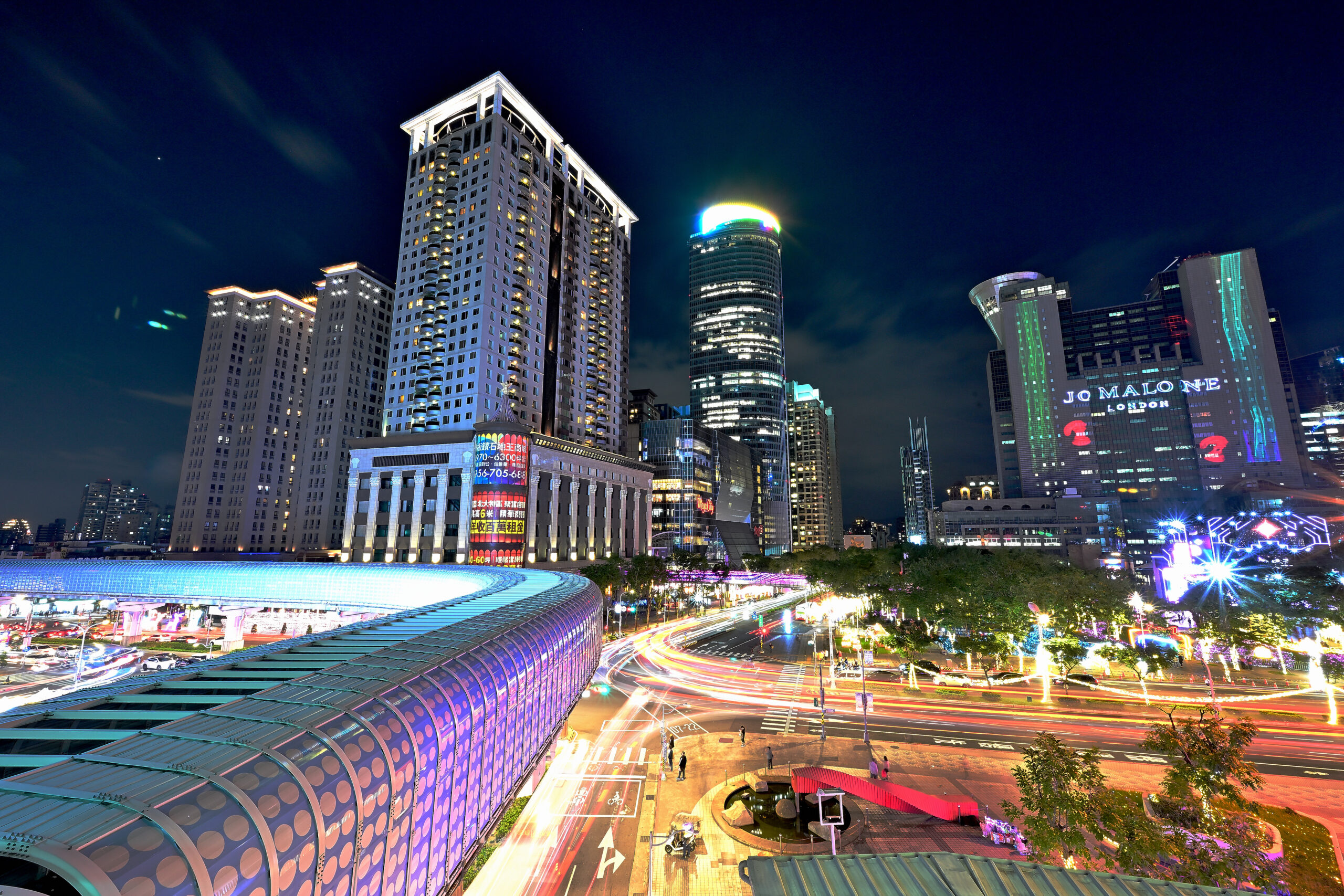
This is the district where we’ll be staying, in New Taipei, because our friend is a spoiled interior designer and wants a hotel room with commodities such as a sink that’s not in the room and a window with actual daylight. Go figure.
This means we’re a little far removed from the centre, and I had to find two important institutions for day 1: a place to have breakfast when we arrive, and a place to have dinner that’s very close to the hotel, so that we can faint on our beds as soon as possible.
1.1. Breakfast in Banqiao
As far as I understand it, breakfast in Taipei is its own thing, with specialised venues. A typical dish seems to be some stuff called egg pancake, dàn bǐng: it’s a thin crêpe, made with flour, rice flour and potato starch, with an omelette baked on top. The typical omelette is called tshài-póo-nn̄g (càifǔdàn when in Mandarin), with a finely cut white radish that looks delicious.
There are a couple of possible places for us to grab some breakfast, after we’ve dropped the bags at the hotel: one is Jimmy’s Cat Café, a coffee roastery with (you guessed it) cats that seems to be more on the sweet side.
The other is a more traditional (or maybe I should say differently traditional) breakfast restaurant. There’s actually a few in the area, the one that caught my eye is Xiang Kou Breakfast Restaurant: they’ve got burgers, sure, but they also have dàn bǐng with pretty much everything you want (and also some stuff you might not want).
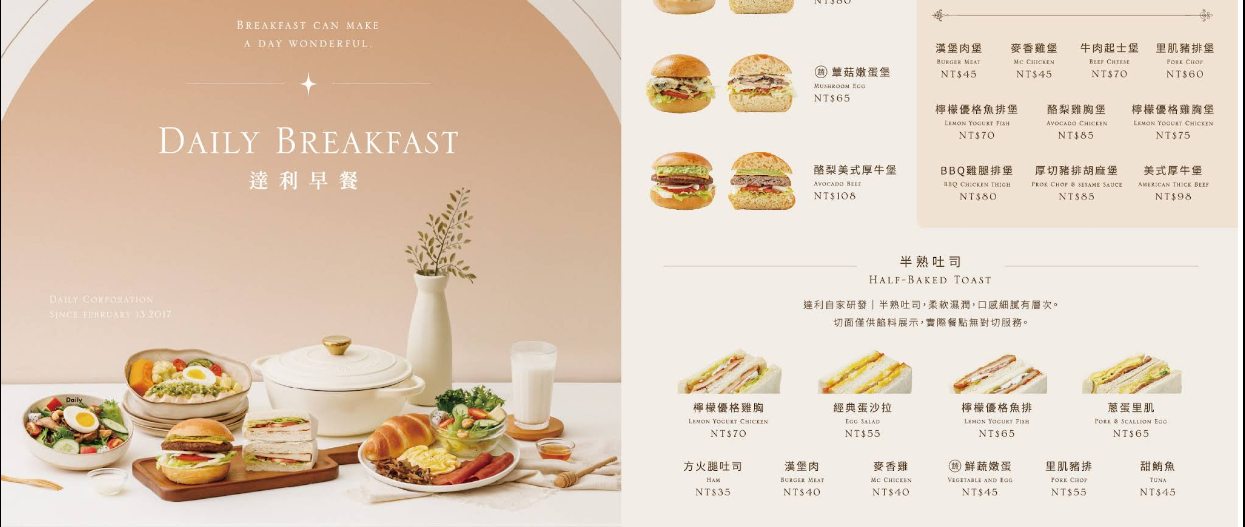
Alternatively, if we’re feeling shy on our first day, there’s the more commercial Daily, with a menu that has pictures and that’s partially in English. For spoiled kids.
1.2. Things to see in Banqiao
Assuming we don’t want to roam around too much on the first day, there are a few cool things to see in Banqiao, even if the main attractions are further up the city.
1.2.1. The Lin Family Mansion and Garden
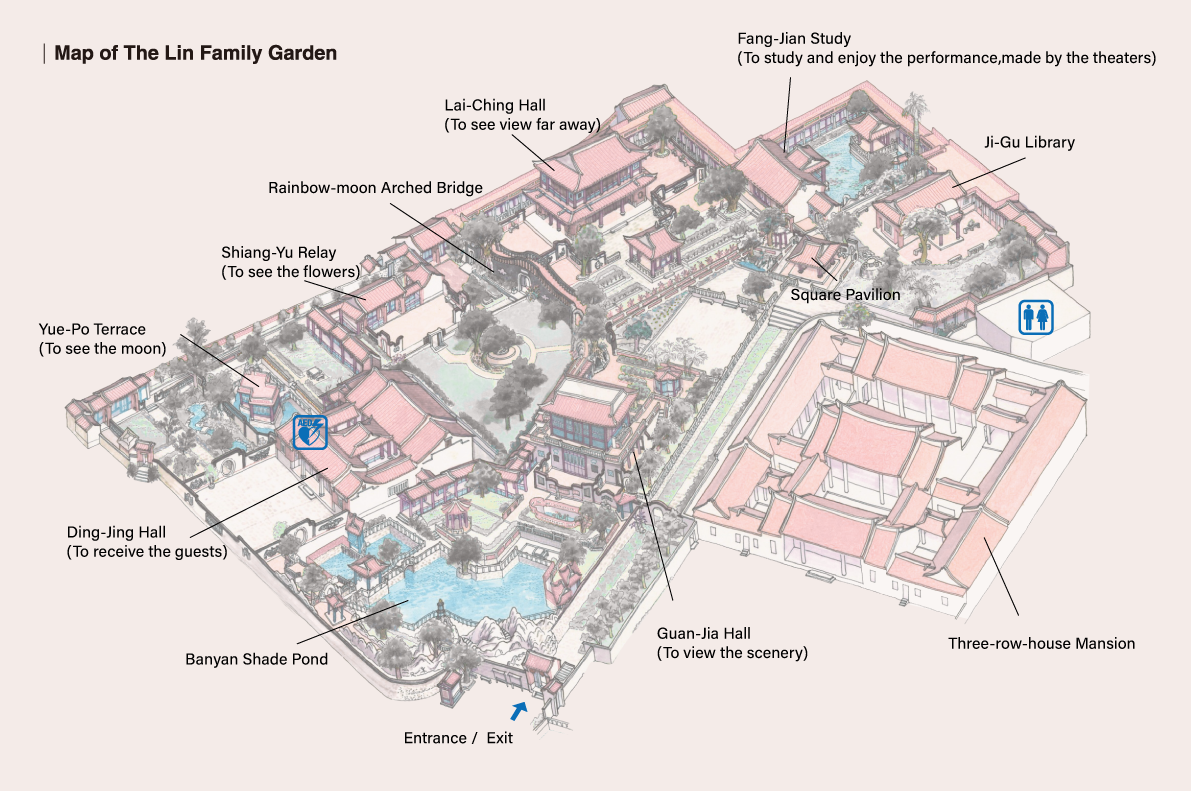
One of Taiwan’s finest examples of traditional Chinese garden architecture, known as one of the Four Great Gardens of Taiwan alongside the Tainan Wu Garden, Hsinchu Beiguo Garden, and Wufeng Lin Family Mansion and Garden. It dates back to 1847. Here’s a map.
1.2.2. Banqiao Cihui Temple and Jieyun Temple
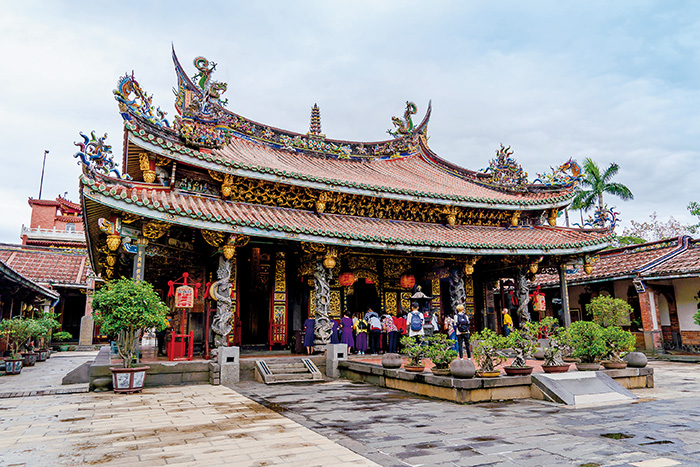
The Ciyou Temple (sometimes spelled Cihui) hosts Mazu, the “Heavenly Holy mother”, the sea goddess in Chinese folk religion, Chinese Buddhism, Confucianism, and Taoism. Her main temple on the island is the Jenn Lann Temple, north of Taichung.
To enter a Buddhist temple without being chased away from the Country on our first day, here’s what I’ve been taught:
- remove your shoes and leave them at the door, but also remove hat and sunglasses before entering;
- make sure you’re dressed in something that covers your shoulders and knees, as you would in any other place of worship;
- step over the threshold, never on it;
- if you want to bow, do it at the main gate before entering, and before entering the main hall;
- try not to stand higher than a monk (which, for my friend who’s three meters high, will be a challenge);
- don’t take photos of people and, in general, use the phone modestly (no flash, no selfies, no unbecoming behaviour in general);
- walk clockwise around shrines;
- if you sit, don’t point your feet towards a monk, a statue or a shrine (my advise is: don’t sit).
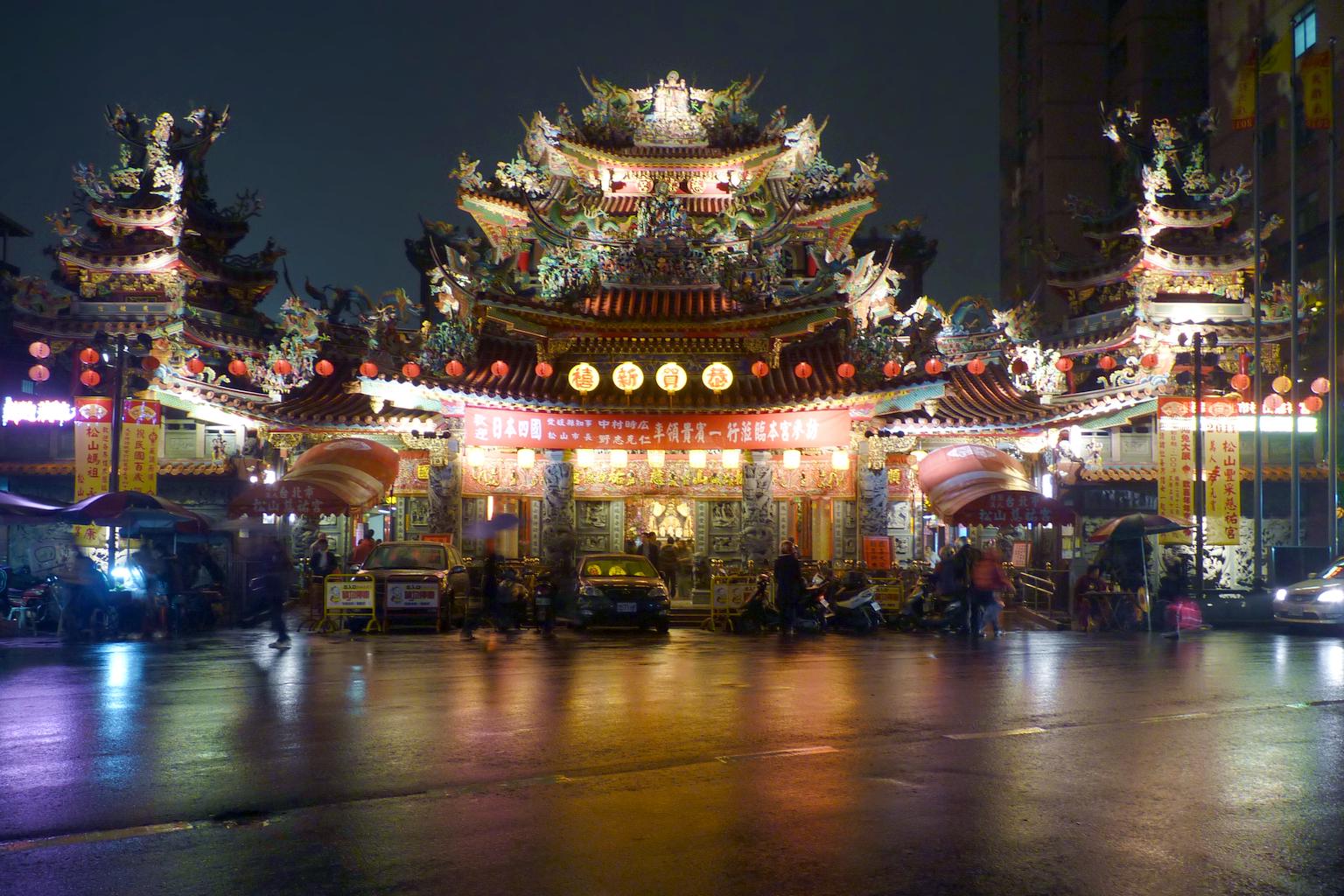
The Jieyun Temple is a blend of Buddhist and Taoist worship dedicated to Guanyin, the Bodhisattva of Compassion and Mercy in Mahayana Buddhism. The same rules apply and, in addition:
- enter through the right door (the Dragon Gate) and exit through the left (the Tiger Gate): the central door is reserved for deities, and you ain’t one.
3. Lunch and/or Dinner
3.1. Wagyu Shabu Banqiao Wenhua Branch
It’s a hot pot, meaning you have a pot of steaming broth at the centre of the table and you cook stuff by dipping it. We’re familiar with the experience, so I thought I’d jolt down what’s typical of this experience in Taiwan as far as I understand it.
- Dipping sauce. We usually avoid it, but Taiwan has a special dipping sauce consisting of shacha sauce (a fish-based sauce with dried shrimp, a flatfish called Chinese brill, soybean oil, garlic, shallots, and chilli) mixed with raw egg yolk and stir-fried beef.
- The chilli hotpot. The style of Taiwan’s hotpot is supposed to be particular, since it’s not meat-based but mixes seafood and beef as the main ingredients for the broth.
- Colours. It’s a thing from the traditional hotpot, eaten during the Lunar New Year’s Eve, but it’s generally believed that if you manage to mix all colours during your meal it’ll be more balanced and nutritious: stew turnip is white, mushrooms are black, burdocks or pumpkins are yellow, carrot or tomato for red, and reddish leaves for green.
3.2. Warmflow
For a lighter dinner that’s more on the cocktail side of things (in case jet lag is hitting my friends who can actually sleep on the plane, I can always knock them down with whisky). This looks like a beautiful place with a carefully curated selection of dishes and, well, local gin tonic.
2. Ximen and Wanhua District
Depending on how tired we are, the actual Taipei might fall either on the first or on the second day. These are the districts right across the river and where Taipei first started as a trading centre, so I hope we managed to arrive with fairly empty luggage.
2.1. More Temples: Qingshui and Longshan
2.1.1. Longshan Temple
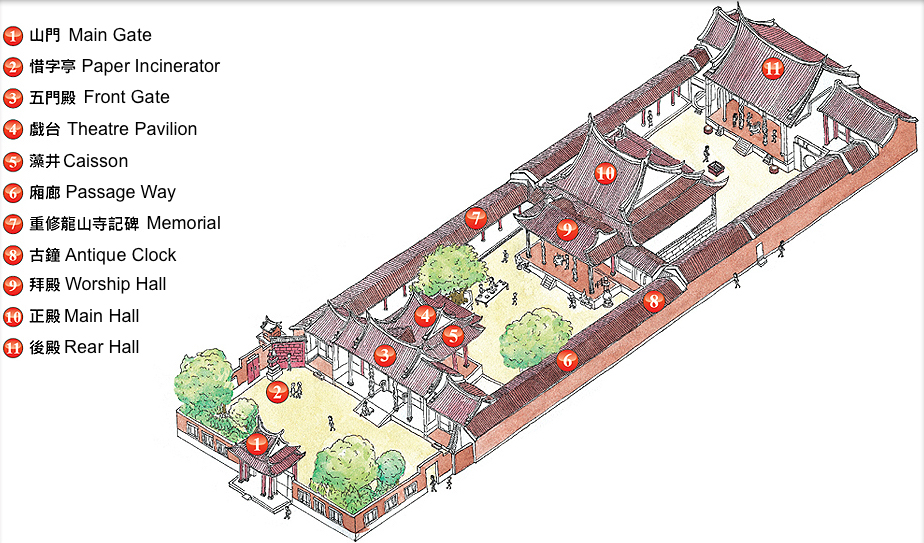
My first go-to, after I took a superficial look at the city, and in fact it’s one of the city’s top religious sites, often overcrowded with tourists. It was founded in 1738 by Han immigrants from Fujian, and this too is dedicated to Guanyin, the Bodhisattva of Mercy, but there are over 100 other deities worshipped all around the rear and side halls: Matsu, goddess of the sea, in the rear all; Wenchang Dijun, god of literature, to the far right; Guandi, god of war and patron of both police and gangsters, apparently; the Old Man Under the Moon, the Matchmaker.
The bronze pillars outside the front hall are one of a kind, and so are the incense holders outside the main hall. The handles depict the Fool Holding up the Sky, a common temple motif, and I’m curious to see how the Fool is represented as a westerner (hoping not to confirm this assumption). According to tradition, it’s a Dutch. You know where I stand with that.
2.1.2. Qingshui Temple
Built in 1856, it’s another very important house of worship, with decorations in wood and stone. It’s also known as the Temple of the Divine Progenitors and it’s dedicated to the deity known as Master Qingshui, a Buddhist monk from the Northern Song dynasty, who saved a town from a drought.
2.2. Wuchang Street (District 2) and Walking District
Beware because I’m discovering this place is like London: streets might have the same name but be in different areas of town, so you have to specify the district. This street is a vibrant, pedestrian one with movie theatres and it looks nice.
There also are Fortune Tellers, but one of our friends is a magician and I wouldn’t want to start a war.
2.3. Bopiliao Historical Block
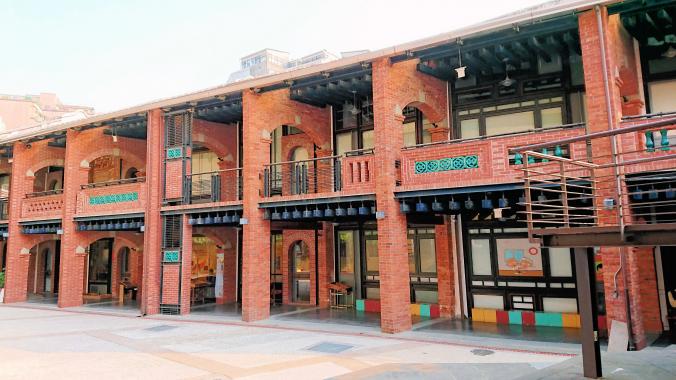
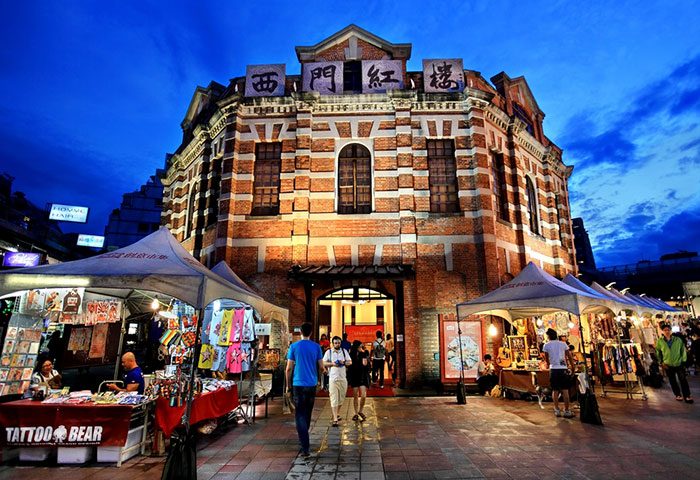
Though the inside is a contemporary art museum hosting works by local young artists, and I’m not sure I’ll be able to drag my friends inside, the building is supposedly one of the best-preserved historic sections of the district, with a Qing and early Japanese-era architecture. There’s also the Red House, along the same line, but this is bigger and more interesting, I think.
2.4. Eat and Drink
2.4.1. Fong Da Coffee.
One of Taipei’s original coffee shops, from 1956 with love, and I’m told everything is old-fashioned, down to the service style. We’ll brace for something hot and bitter, I guess.
2.4.2. Huaxi Street Night Market
I’m not familiar with Taipei but I’m familiar enough with Singapore to believe people when they say that you have to try street food at a night market.
2.4.3. The Bar Street around the Red House
One of the queerest streets in town, or so I’m told. It looks lovely.
3. Zhongsheng and East Gate
This is where the main station is, and it seems it’s the spot with the denser history: the old Qind-era city surrounded by walls to protect from the Japanese, the Chiang Kai-shek Memorial Hall and the related park behind Daxiao Gate, and some riverside bars for a cold brew. Let’s see.
3.1. Attractions
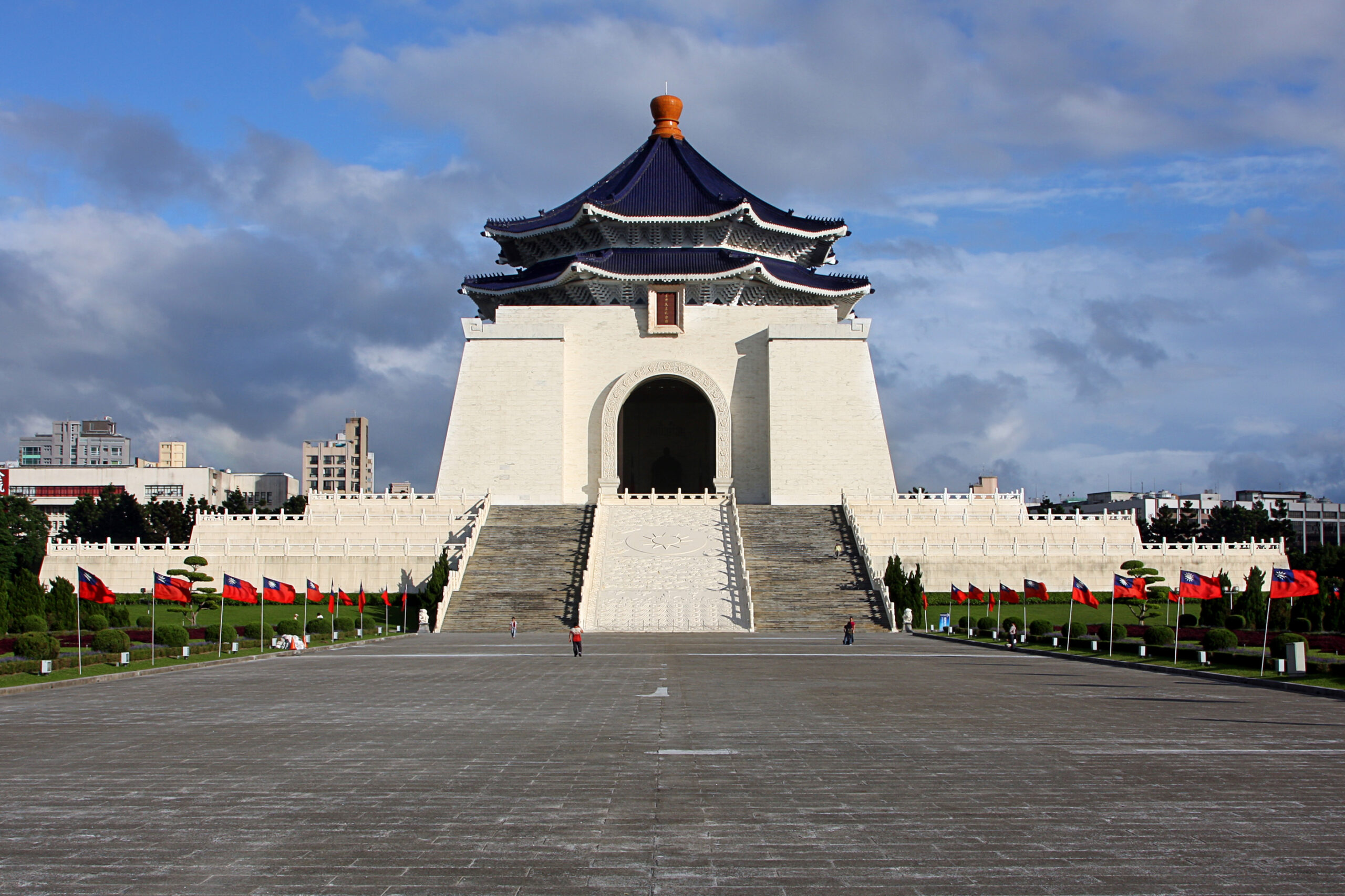
3.1.1. Chiang Kai-shek Memorial Hall (and park)
Chiang Kai-shek was a Chinese military commander who led the Republic of China from 1928 until he died in 1975, and he was the guy who was defeated in the Chinese Civil War by Mao Zedong. When he moved his government in Taipei, Taiwan, most Western countries recognised his rule in the context of the Cold War, with complicated relationships with both Japan and the US. He died in 1975, after 26 years in Taiwan.
The monument is dedicated to him and hosts a contemporary history museum. It’s surrounded by what looks like an astonishing park, and the gorgeous National Concert Hall to its right. When we’ll be in town, there’s a show for kids, a Chopin piano recital, an experimental choir performing a medley from musicals (The Phantom of the Opera, West Side Story, The Lion King, The Sound of Music and Les Misérables), another sold-out piano recital, and Lü Tianyao playing Bach on piano.
3.1.2. Huashan 1914 Creative Park
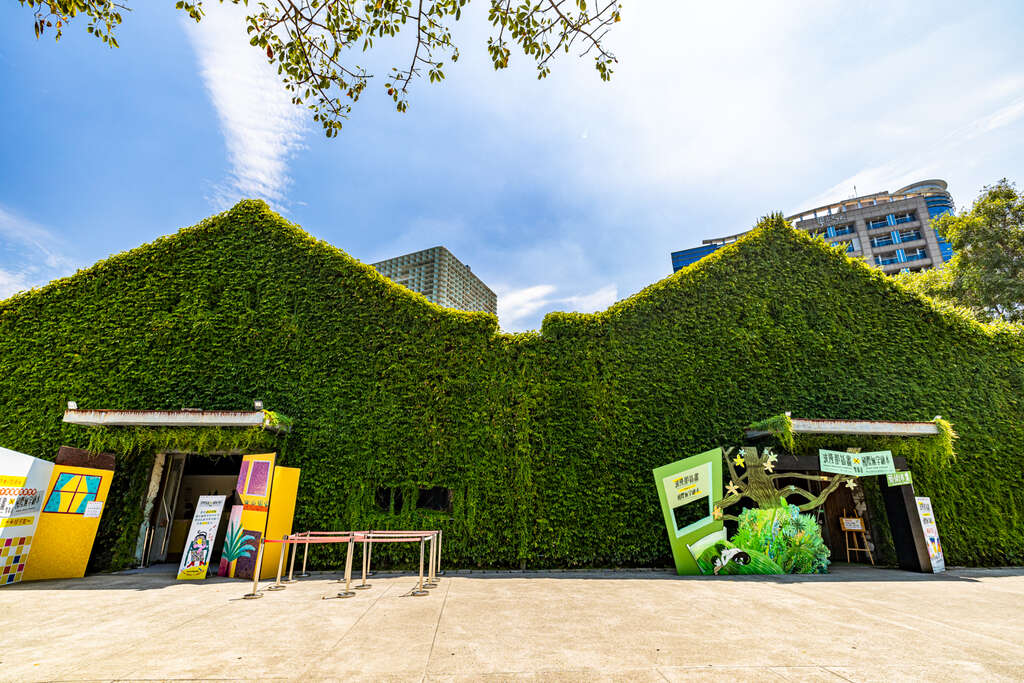
The venue hosts pop-up shops, cafes, boutiques and exhibition spaces, surrounded by green, and this is all very hipster and family-friendly. The complex is a refurbished wine factory from the Japanese era.
3.1.3. Taiwan Literature Base
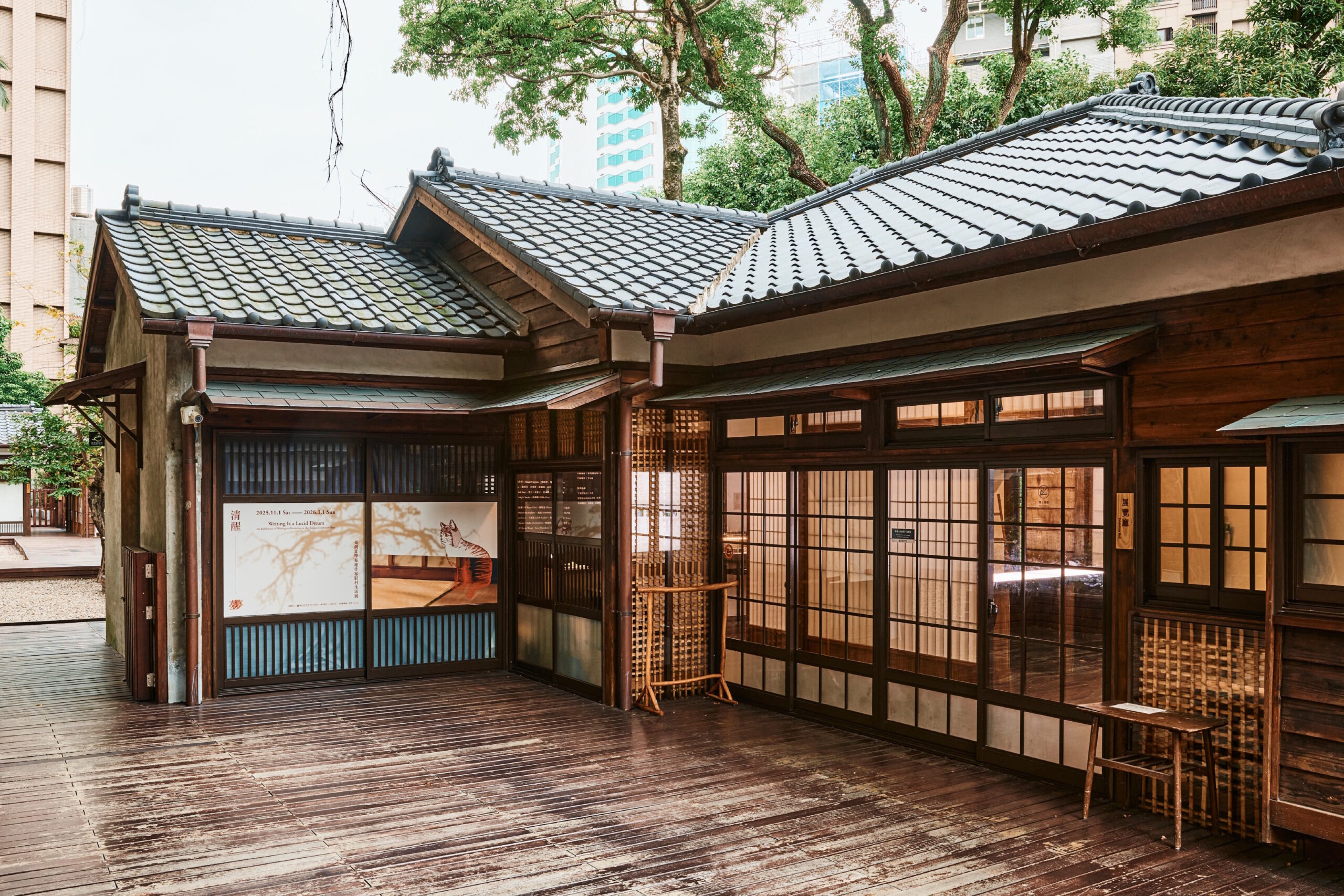
This is both a literature museum and a place with in-residence writers. Yes, you heard me right. They live here and… well, write. “During their residencies, writers not only focus on creating and capturing their insights into the everyday, but also immerse themselves in an unfamiliar place, letting themselves be moved and be called upon, while looking back again and again to examine their own shifting possibilities.” And if this isn’t the most awesome thing ever, I don’t know what is. The current exhibition is titled Writing Is a Lucid Dream.
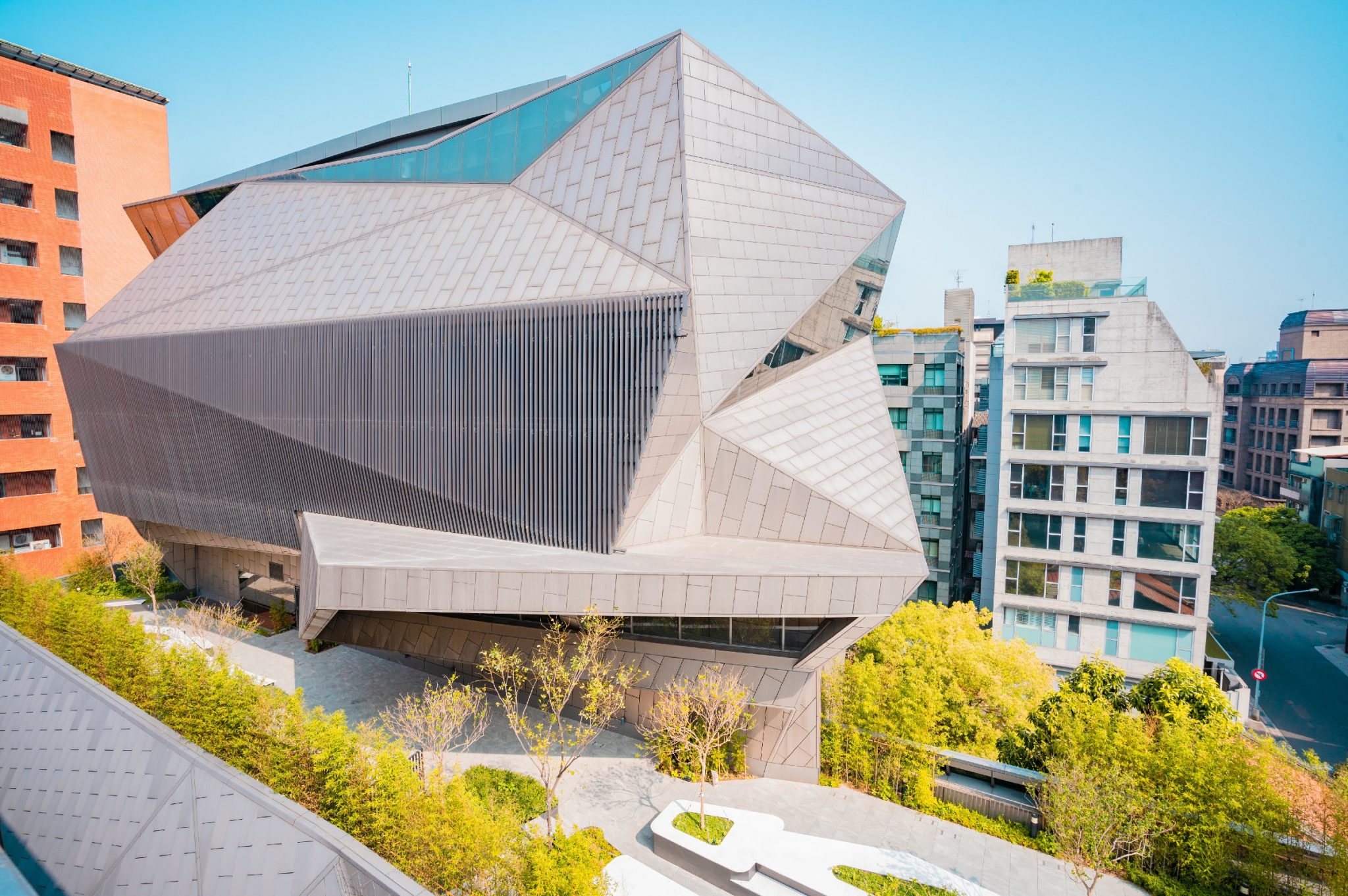
3.1.4. NTNU Art Museum
Designed by KHD Studio of Chen Sheng-Chung, the museum is… something interesting. The permanent collection focuses on the development of art in Taiwan, focusing primarily on works created by teachers and students during their time at the university. It currently hosts an exhibition on Cultural Heritage Conservation called Time Reversed.
3.2. Food and Drinks
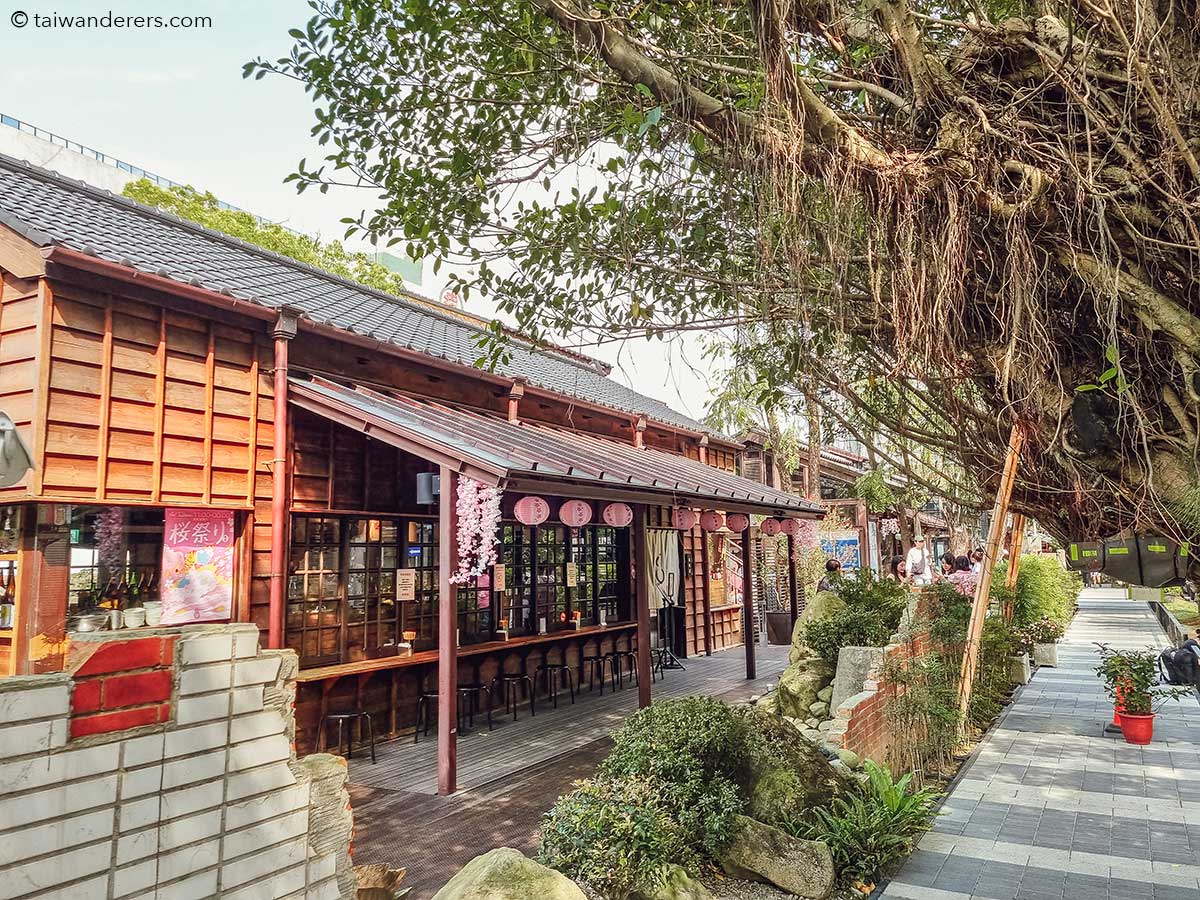
3.2.1. Rongjin Gorgeous Time
A street-mall with cafes, dessert shops and gift stores, located on the side of a former Japanese prison from the 1900s. You can also rent a kimono, which I’m not sure is in good taste, in a country that was occupied by the Japanese and doesn’t carry particularly fond memories of that time.
4. Xinyi and Daan District
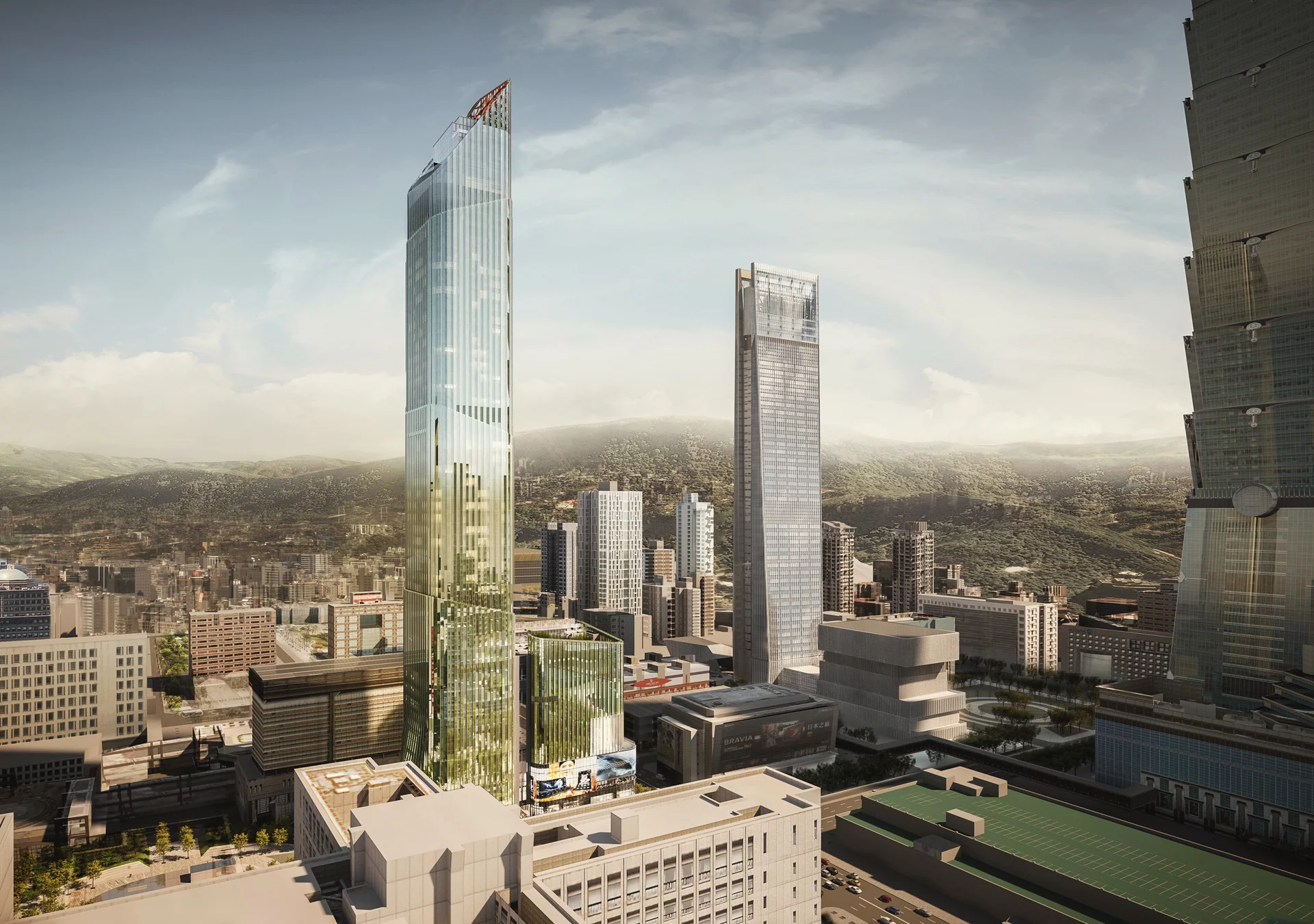
This will certainly be a stop for Thursday: it’s the place with the 101 Tower and “our” Sky Tower. It’s the financial and government district, where the only affordable hotels are without windows. It also has the Songshan Cultural & Creative Park, located in an old Tobacco factory and next to the Design Museum and Taipei Dome (the stadium). The Linjiang Night Market might possibly be a stop, though it’s a long way home from there, and the Memorial Palace looks like a good place to admire the skyline from below.
I also saved the Fuwan Chocolate Café because someone or something recommended it to me, and Nomura Sushi. They both sound like good ideas. Also, the ATT4FUN shop has Studio Ghibli mechandising, which I know isn’t local but it’s certainly closer than I am.
Should we want to admire it from above, the Elephant Mountain is east of the district, and there’s a hiking trail or a cable car to get up there, except my significant other hates cable cars. We’ll see what we can do.
5. The Datong District
A couple of temples here (the Dalongdong Baoan and the Xiahai), the traditional Dihua Street and PIER 5 to get a beer. This is the plan if we stumble this side of town.
The Taiyuan Asian Puppet Theatre Museum, saved for my significant other, is marked as permanently closed and this makes me very sad, and there’s the Contemporary Art Museum if we find we need it.
There’s another night market here, Ningxia’s.
No Comments