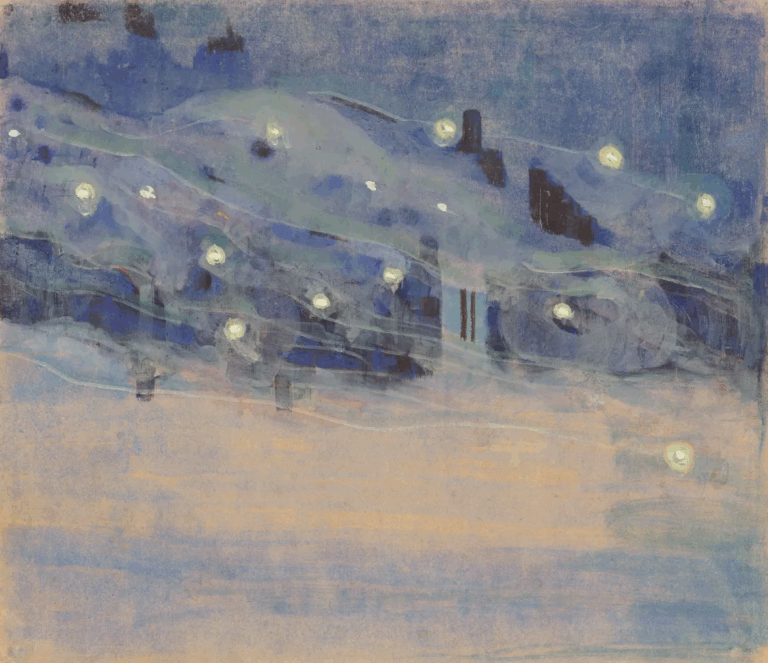
"All this he saw, for one moment breathless and intense, vivid on the morning sky; and still, as he looked, he lived; and still, as he lived, he wondered."

Pride Month 2025: Story of the Day

Brothers in Arms, Lovers in Death: the Sacred Band of Thebes

In the 4th century BCE, the Greek city-state of Thebes forged one of the most extraordinary fighting forces in history: the Sacred Band, an elite military unit composed of 150 pairs of male lovers. Yes, you heard me right. Generally dated around 379–378 BCE, often attributed to Gorgidas or Epaminondas as founders/reformers, led by Pelopidas and celebrated by ancient historians like Plutarch, the Band was built on a radical idea — that romantic and erotic bonds between men could strengthen loyalty, discipline, and courage in battle.

Unlike the hierarchical and age-structured model of some other infamous Athenian habits, the Sacred Band was made up of adult, consenting male couples, warriors who trained, lived, and fought side by side. Their intimacy was institutionalised as a foundation of military excellence. In the heat of combat, it was said, a soldier would fight more fiercely to protect his beloved than for any state or command.

The Band achieved legendary status after their victory at the Battle of Leuctra (371 BCE), where they shattered the long-dominant Spartan army, a feat thought impossible. For decades, they defended Thebes, until they were surrounded and killed to the last man at Chaeronea (338 BCE), resisting the armies of Philip II of Macedon. Their burial site, discovered in the 19th century, holds 254 skeletons laid side by side, a silent testament to the valour and love they shared in life and death.

Pierre-Jean David d’Angers, The Death of Epaminondas (1811)
books and literature

The Wandering Earth

The collection is extraordinary and spans from grand feats of sci-fi imagination (the titular story) to humorous tales such as the one in which a writer called Cixin Liu becomes homeless after spending all his money and energy on a grand saga called The Three-Thousand-Body

Read More »
books and literature

Weird Sisters

Well, this was a fairly unusual read for me in this period, I’m more in my sci-fi era, but good things come from good friends who gift you books you wouldn’t have bought: they usually help you discover something cool you didn’t know. What I

Read More »
books and literature

SciFi Friday — In the Year 2889 by Jules Verne (1889)

[Redactor’s note: In the Year 2889 was first published in the Forum, February, 1889; p. 662. It was published in France the next year. Although published under the name of Jules Verne, it is now believed to be chiefly if not entirely the work of

Read More »
Share on LinkedIn
Throw on Reddit
Roll on Tumblr
Mail it
No Comments

Post A Comment

This site uses Akismet to reduce spam. Learn how your comment data is processed.

RELATED POSTS

The Wandering Earth

The collection is extraordinary and spans from grand feats of sci-fi imagination (the titular story) to humorous tales such as the one in which a writer called Cixin Liu becomes homeless after spending all his money and energy on a grand saga called The Three-Thousand-Body

Read More

Weird Sisters

Well, this was a fairly unusual read for me in this period, I’m more in my sci-fi era, but good things come from good friends who gift you books you wouldn’t have bought: they usually help you discover something cool you didn’t know. What I

Read More