"All this he saw, for one moment breathless and intense, vivid on the morning sky; and still, as he looked, he lived; and still, as he lived, he wondered."

Tropico 3

tropico3

Dopo qualche settimana di intenso gioco, penso di poter affermare con una certa sicurezza che Tropico 2 gli era di gran lunga superiore. E non solo per la presenza dei pirati (ragione che di per sé sarebbe condizione necessaria e sufficiente). Si avverte molto la mancanza di interazione attiva con il mondo esterno, che in Tropico 2 era data dalle scorrerie in nave e dall’esplorazione dei mari circostanti, e nulla può fare l’interazione passiva, nonostante l’ambientazione nella guerra fredda sia una buona idea. USA e Unione Sovietica sono sì più attive di Francia, Spagna e Inghilterra nell’intromettersi, ma a meno di giocare veramente male è difficile che la loro influenza arrivi al punto di minacciare un’invasione, un blocco o un bombardamento. Una generale estrema facilità mina tutto il gioco: non mi era mai successo di dover usare trucchi per innescare ribellioni, invasioni e altre calamità sull’isola. Anche l’industria è meno divertente di quella disponibile in Tropico 2: è interessante l’interazione con la rete elettrica, ma manca di verve e dell’umorismo che non si risparmiava nelle imprese piratesche. In ugual modo la gestione dell’economia era di gran lunga più cattiva come assunto di base, senza bisogno di instaurare la legge marziale. Avrebbe potuto sopperire alla mancanza l’introduzione di un pizzico di soprannaturale, come siti archeologici maledetti e sacerdoti voodoo che ogni tanto fanno capolino, ma anche in questo caso il gioco manca di coraggio. Forse Tropico 2 era politicamente scorretto, ma era ciò che lo rendeva assolutamente geniale: perché non posso manovrare la guerriglia e rapire i turisti? Dove sono le piantagioni di coca? Perché non posso mettere a disposizione un po’ di sano turismo sessuale per aggirare l’embargo? Sono tutte cose che mi aspetto di poter fare in una qualunque rispettabile isola dei caraibi! Alla lunga, l’unica distrazione rimane la radio.
books and literature

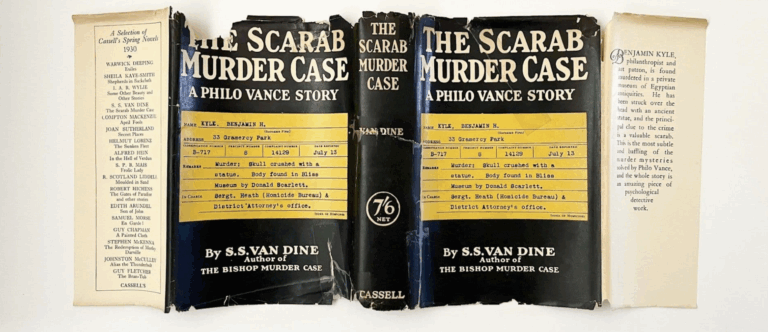
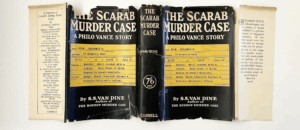
S.S. Van Dine’s The Scarab Murder

S.S. Van Dine was the pen name of Willard Huntington Wright (1888–1939), an art critic, editor, and novelist from the US who created Philo Vance, apparently one of the defining amateur detectives of the Golden Age of detective fiction. The Vance series ran to twelve

Read More »
books and literature

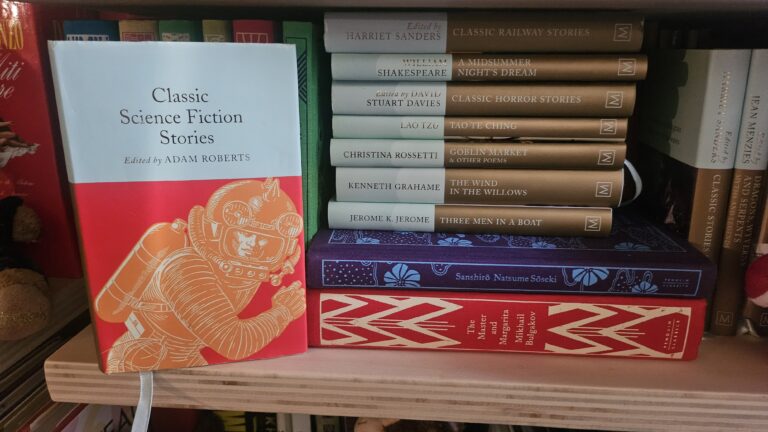
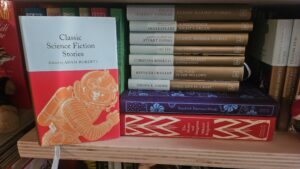
Classic Science Fiction Stories

This is the third collection I read from these charming little light-blue books with the golden pages, and they’re uneven at best. Once again, as such, I have mixed feelings about this collection and I’ll have to proceed scientifically to give a rating, so here

Read More »
architecture, engineering and construction

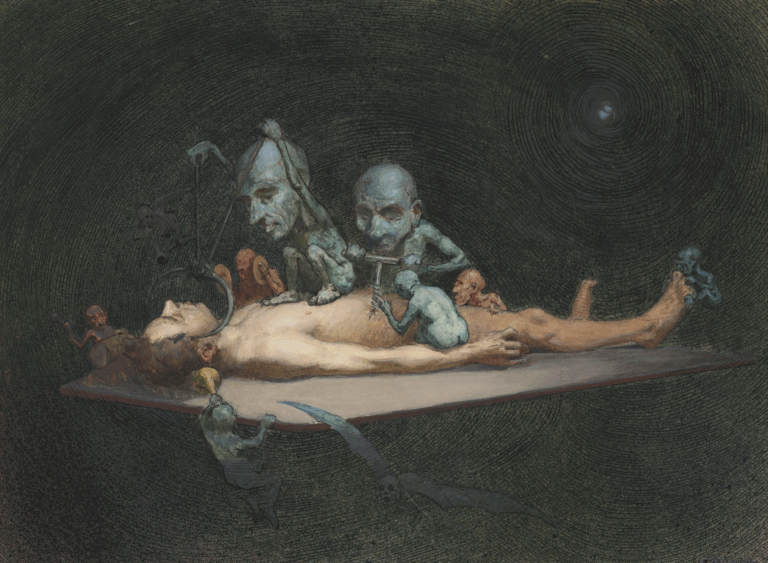
Artificial Integrity in the Age of Anxiety

In 1947, British-American poet W.H. Auden published The Age of Anxiety, a long poem subtitled “A Baroque Eclogue”. In a nutshell, four strangers meet in a bar on Third Avenue in Manhattan, on All Souls’ Night, so it’s even seasonal, in the middle of a

Read More »
Share on LinkedIn
Throw on Reddit
Roll on Tumblr
Mail it
1 Comment
  • utente anonimo
    Posted at 20:05h, 12 April Reply

    Visto che era l'unica cosa che si salvava un po', perché non spendere qualche parola di elogio per il radiocronista e per gli esiti degli omicidi politici? :-)

    Simone

Post A Comment

This site uses Akismet to reduce spam. Learn how your comment data is processed.

RELATED POSTS

S.S. Van Dine’s The Scarab Murder

S.S. Van Dine was the pen name of Willard Huntington Wright (1888–1939), an art critic, editor, and novelist from the US who created Philo Vance, apparently one of the defining amateur detectives of the Golden Age of detective fiction. The Vance series ran to twelve

Read More

Classic Science Fiction Stories

This is the third collection I read from these charming little light-blue books with the golden pages, and they’re uneven at best. Once again, as such, I have mixed feelings about this collection and I’ll have to proceed scientifically to give a rating, so here

Read More

Artificial Integrity in the Age of Anxiety

In 1947, British-American poet W.H. Auden published The Age of Anxiety, a long poem subtitled “A Baroque Eclogue”. In a nutshell, four strangers meet in a bar on Third Avenue in Manhattan, on All Souls’ Night, so it’s even seasonal, in the middle of a

Read More