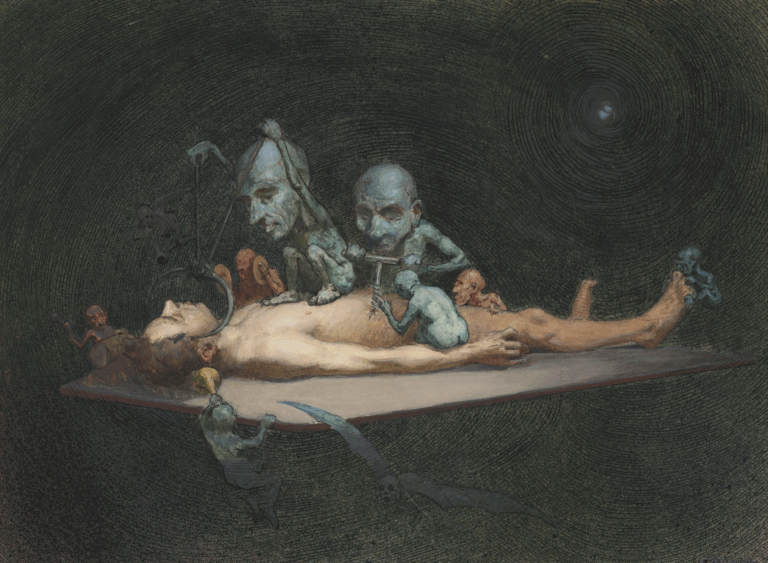
"All this he saw, for one moment breathless and intense, vivid on the morning sky; and still, as he looked, he lived; and still, as he lived, he wondered."

Fairytale Friday – The Dead Mother

In a certain village there lived a husband and wife—lived happily, lovingly, peaceably. All their neighbors envied them; the sight of them gave pleasure to honest folks. Well, the mistress bore a son, but directly after it was born she died. The poor moujik moaned and wept. Above all he was in despair about the babe. How was he to nourish it now? how to bring it up without its mother? He did what was best, and hired an old woman to look after it. Only here was a wonder! all day long the babe would take no food, and did nothing but cry; there was no soothing it anyhow. But during (a great part of) the night one could fancy it wasn’t there at all, so silently and peacefully did it sleep.

“What’s the meaning of this?” thinks the old woman; “suppose I keep awake to-night; may be I shall find out.”

Well, just at midnight she heard some one quietly open the door and go up to the cradle. The babe became still, just as if it was being suckled.

The next night the same thing took place, and the third night, too. Then she told the moujik about it. He called his kinsfolk together, and held counsel with them. They determined on this; to keep awake on a certain night, and to spy out who it was that came to suckle the babe. So at eventide they all lay down on the floor, and beside them they set a lighted taper hidden in an earthen pot.

At midnight the cottage door opened. Some one stepped up to the cradle. The babe became still. At that moment one of the kinsfolk suddenly brought out the light. They looked, and saw the dead mother, in the very same clothes in which she had been buried, on her knees besides the cradle, over which she bent as she suckled the babe at her dead breast.

The moment the light shone in the cottage she stood up, gazed sadly on her little one, and then went out of the room without a sound, not saying a word to anyone. All those who saw her stood for a time terror-struck; and then they found the babe was dead.

Next Friday: The Dead Witch

The second story will serve as an illustration of one of the Russian customs with respect to the dead, and also of the ideas about witchcraft, still prevalent in Russia. We may create for it the title of—
books and literature

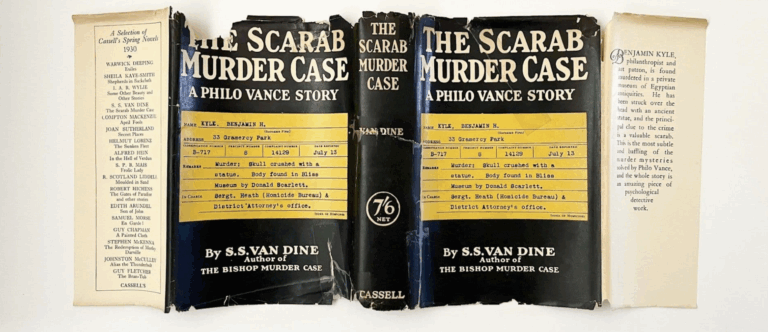
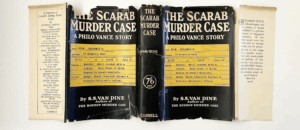
S.S. Van Dine’s The Scarab Murder

S.S. Van Dine was the pen name of Willard Huntington Wright (1888–1939), an art critic, editor, and novelist from the US who created Philo Vance, apparently one of the defining amateur detectives of the Golden Age of detective fiction. The Vance series ran to twelve

Read More »
books and literature

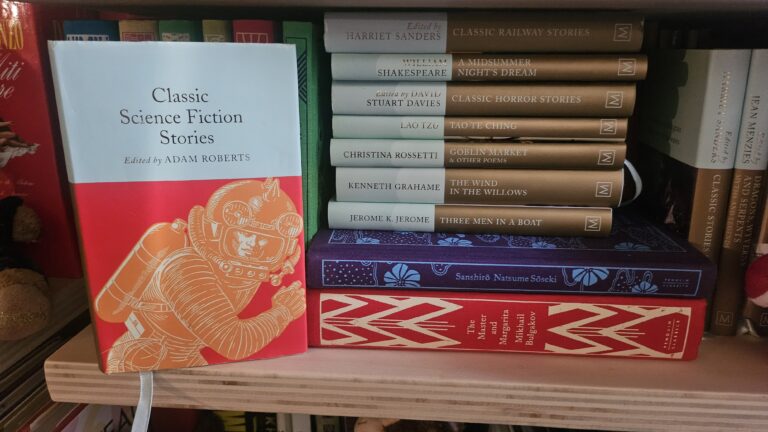
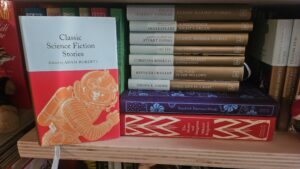
Classic Science Fiction Stories

This is the third collection I read from these charming little light-blue books with the golden pages, and they’re uneven at best. Once again, as such, I have mixed feelings about this collection and I’ll have to proceed scientifically to give a rating, so here

Read More »
architecture, engineering and construction

Artificial Integrity in the Age of Anxiety

In 1947, British-American poet W.H. Auden published The Age of Anxiety, a long poem subtitled “A Baroque Eclogue”. In a nutshell, four strangers meet in a bar on Third Avenue in Manhattan, on All Souls’ Night, so it’s even seasonal, in the middle of a

Read More »
Share on LinkedIn
Throw on Reddit
Roll on Tumblr
Mail it
No Comments

Post A Comment

This site uses Akismet to reduce spam. Learn how your comment data is processed.

RELATED POSTS

S.S. Van Dine’s The Scarab Murder

S.S. Van Dine was the pen name of Willard Huntington Wright (1888–1939), an art critic, editor, and novelist from the US who created Philo Vance, apparently one of the defining amateur detectives of the Golden Age of detective fiction. The Vance series ran to twelve

Read More

Classic Science Fiction Stories

This is the third collection I read from these charming little light-blue books with the golden pages, and they’re uneven at best. Once again, as such, I have mixed feelings about this collection and I’ll have to proceed scientifically to give a rating, so here

Read More

Artificial Integrity in the Age of Anxiety

In 1947, British-American poet W.H. Auden published The Age of Anxiety, a long poem subtitled “A Baroque Eclogue”. In a nutshell, four strangers meet in a bar on Third Avenue in Manhattan, on All Souls’ Night, so it’s even seasonal, in the middle of a

Read More