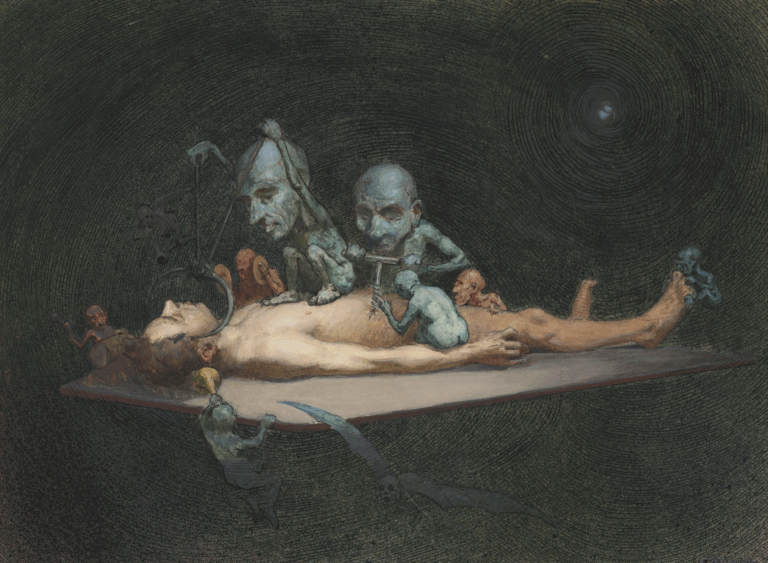
"All this he saw, for one moment breathless and intense, vivid on the morning sky; and still, as he looked, he lived; and still, as he lived, he wondered."

Don’t swallow bleach (ma se te ne scappa un po’ nel mojito…)

20120508-102416.jpg

Ieri sera ai Magazzini Generali di Milano si è esibita Lisa Hannigan, piccola urlatrice irlandese che alcuni di voi avranno notato negli ultimi suoi tre singoli: Safe Travels (don’t die), What’ll I do e A sail. Posto curioso, i Magazzini, per far esibire una cantante caratteristica per i suoi assoli strumentali, le sue fughe irlandesi ma anche i suoi improvvisi silenzi, i suoi intermezzi fatti di una sporca voce solitaria. Posto chiassoso, piccolo, popolato da una fauna di chiacchieroni e drogati di mojito, e da uno staff il cui rispetto per la musica si avvicina più o meno al rispetto che ho io nei confronti dei fan di Hulk.
Peccato, perché la Hannigan fa una musica raffinata e colta, delicata, spiritosa e densa di particolarità, riferimenti curiosi, bellezze tutte particolari. Il suo album d’esordio, Sea Sew, era uscito autoprodotto nel 2008 e le era valso numerose nomination, tra cui quella ai Meteor Awards, che vinse nella sua categoria sia come miglior cantante che come miglior album. Tra chi la definì “charmingly idiosyncratic” (Los Angeles Times) e chi etichettò Sea Saw come “exquisitely ethereal” (New York Times) o “wonderfully creaky and raw” (The Daily Telegraph), si può considerare parere concorde che la Hannigan abbia fatto un salto di qualità abbandonando la band di Damien Rice. Il secondo album, Passenger, è del settembre 2011 ed è forse più melodico, abbandonando alcune sonorità interessanti ma stridenti di Sea Saw. Deliziosi il testo ed il video di Safe Travels, ma soprattutto quello dell’altrettanto deliziosa Lille, che illustra la vicenda attraverso un pop-up book mosso dall’artista. Se vi piacciono i pop-up book (personalmente li adoro) non posso che consigliarvi questo blog, e il video che vi è segnalato. O, se volete dare un twist più inquietante e virare verso l’animazione, date una profonda occhiata alle animazioni di Martha Colburn (e il suo video per Lie Lie Lie di Serj Tankian). Tutto questo dopo aver ascoltato qualcosa di Lisa Hannigan, ovviamente.

20120508-142536.jpg

books and literature

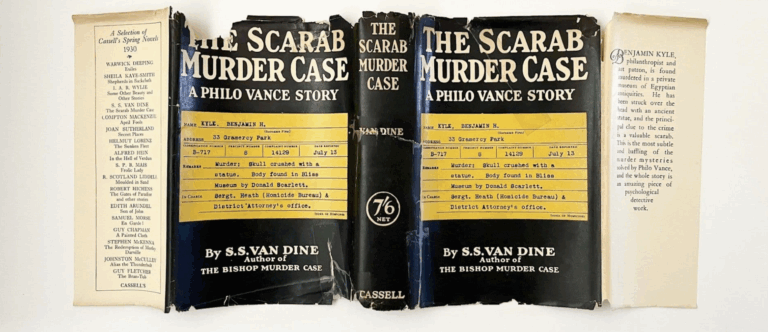
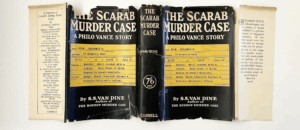
S.S. Van Dine’s The Scarab Murder

S.S. Van Dine was the pen name of Willard Huntington Wright (1888–1939), an art critic, editor, and novelist from the US who created Philo Vance, apparently one of the defining amateur detectives of the Golden Age of detective fiction. The Vance series ran to twelve

Read More »
books and literature

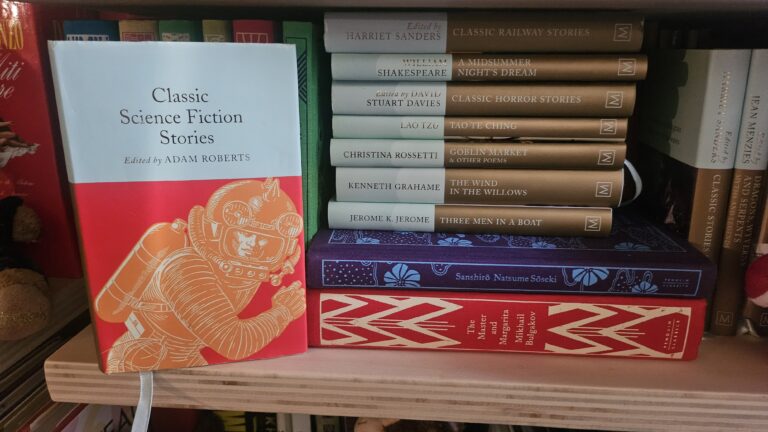
Classic Science Fiction Stories

This is the third collection I read from these charming little light-blue books with the golden pages, and they’re uneven at best. Once again, as such, I have mixed feelings about this collection and I’ll have to proceed scientifically to give a rating, so here

Read More »
architecture, engineering and construction

Artificial Integrity in the Age of Anxiety

In 1947, British-American poet W.H. Auden published The Age of Anxiety, a long poem subtitled “A Baroque Eclogue”. In a nutshell, four strangers meet in a bar on Third Avenue in Manhattan, on All Souls’ Night, so it’s even seasonal, in the middle of a

Read More »
Share on LinkedIn
Throw on Reddit
Roll on Tumblr
Mail it
No Comments

Post A Comment

This site uses Akismet to reduce spam. Learn how your comment data is processed.

RELATED POSTS

S.S. Van Dine’s The Scarab Murder

S.S. Van Dine was the pen name of Willard Huntington Wright (1888–1939), an art critic, editor, and novelist from the US who created Philo Vance, apparently one of the defining amateur detectives of the Golden Age of detective fiction. The Vance series ran to twelve

Read More

Classic Science Fiction Stories

This is the third collection I read from these charming little light-blue books with the golden pages, and they’re uneven at best. Once again, as such, I have mixed feelings about this collection and I’ll have to proceed scientifically to give a rating, so here

Read More

Artificial Integrity in the Age of Anxiety

In 1947, British-American poet W.H. Auden published The Age of Anxiety, a long poem subtitled “A Baroque Eclogue”. In a nutshell, four strangers meet in a bar on Third Avenue in Manhattan, on All Souls’ Night, so it’s even seasonal, in the middle of a

Read More